
How To
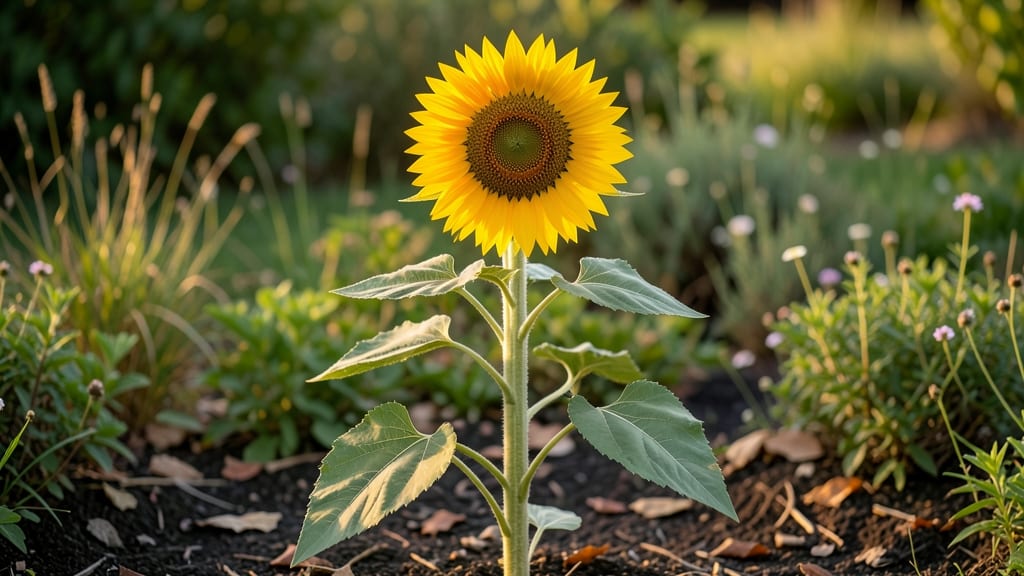
If you’ve ever wondered how tall a sunflower can grow and dreamed of cultivating a towering giant in your garden, you’re not alone. These cheerful 🌻 giants can reach heights that will leave your neighbors in awe, with some varieties stretching over 12 feet tall.
But how do they get so big, and what’s the secret to cultivating them in your own backyard?
The answer lies in the right variety, soil, and sunlight. While most sunflowers stay between 3 and 6 feet, certain hybrids like the 'Russian Giant' or 'Mammoth' can shoot up to 14 or 16 feet—that’s taller than a basketball hoop!
Whether you’re aiming for a dramatic centerpiece or just curious about nature’s skyscrapers, understanding the factors that influence their growth is key.
In this guide, I’ll break down the tallest sunflower varieties, the conditions that help them reach their full potential, and practical tips to grow one in your garden—even if you’re new to gardening.
By the end, you’ll know exactly how to nurture a sunflower that could become the tallest plant in your neighborhood.
Ready to turn your garden into a sunflower wonderland? Let’s dive into the world of towering 🌻 giants and learn how to make them thrive.

Sunflower height records: the tallest varieties that surpass 12 feet
If you’ve ever dreamed of growing a sunflower taller than your house, you’re not alone. Some sunflower varieties can reach 12 feet or more with the right conditions, creating stunning vertical focal points in your garden.
These giants aren’t just impressive—they’re perfect for creating natural shade, privacy screens, or even artistic installations. The key lies in selecting the right genetic varieties and providing optimal growing conditions.
While most sunflowers max out around 5-6 feet, certain hybrids like the Russian Giant and Mammoth varieties are bred specifically to shatter height records. These towering plants can grow 14-16 feet tall under ideal circumstances, making them the ultimate challenge for ambitious gardeners.
Their massive size isn’t just for show—it also means they produce larger seed heads perfect for bird feeding or culinary uses.
The Russian Giant currently holds the Guinness World Record for the tallest sunflower, reaching an astonishing 14.2 feet in 2011. This variety thrives when planted in well-amended soil with plenty of organic matter.
The secret to their towering growth lies in their deep root systems, which allow them to access nutrients from lower soil layers. For best results, start with heirloom seeds from reputable suppliers, as hybrid vigor plays a crucial role in achieving maximum height.
To encourage vertical growth, provide your sunflowers with at least 6-8 hours of direct sunlight daily. These giants also benefit from regular watering, especially during dry spells, as consistent moisture prevents stem weakness. I’ve found that mulching around the base helps retain soil moisture while keeping roots cool.
For varieties like the Mammoth, adding a balanced fertilizer (10-10-10) at planting and again when stems reach 3 feet can give them that extra boost.
One common misconception is that all giant sunflowers require staking, but this depends on your growing conditions. In windy areas or when planting near fences, bamboo stakes or trellises can prevent toppling.
I’ve successfully grown 12-foot sunflowers without staking in my garden by planting them against a south-facing wall, which provides natural support while maximizing sunlight exposure. The key is to monitor stem strength early—if you notice leaning, reinforce it before the plant gets too heavy.
For those in cooler climates, timing is everything. Plant your giant sunflower seeds after the last frost date when soil temperatures reach at least 50°F (10°C).
In my USDA Zone 6a garden, I’ve had the most success planting in late April to early May, giving the plants a full growing season to reach their potential. Early planting also helps avoid bolt disease, which can stunt growth if conditions are too wet.
Remember, these giants need space—plant them 18-24 inches apart to allow for proper air circulation and root development.
Harvesting from giant sunflowers is a rewarding experience, but timing is critical. Wait until the back of the flower head turns yellow or brown, and the petals begin to wilt slightly. At this stage, the seed heads will be at their maximum size and nutritional value.
To harvest, cut the stem with clean pruners and hang the heads upside down in a dry
What determines sunflower height: genetics, soil, and sunlight
Sunflower height isn't just about luck—it's a science! The genetic variety you choose sets the foundation, but soil quality, sunlight exposure, and even watering habits can push those towering stems even higher.
For example, my Russian Giant variety reached 14 feet last summer, while my neighbor's identical seeds only grew to 8 feet. Let's break down what makes the difference.
First, the genetic potential of your sunflower variety is the most critical factor. Some hybrids are bred specifically for height, like the 'Mammoth' series, which can exceed 12 feet under ideal conditions.
Even within the same variety, individual plants may vary by 2-3 feet due to natural genetic differences. This is why seed packets often list a height range rather than a single number.
Key Factors That Influence Sunflower Height
- Genetic Variety: Choose tall hybrids like 'Russian Giant' (12-16 ft) or 'Giant Russian' (10-14 ft) for maximum height
- Soil Nutrients: Test for nitrogen (N) and phosphorus (P)—low levels can stunt growth by 30-40%
- Sunlight Hours: 8+ hours of direct sun daily maximizes photosynthesis, while 6 hours reduces height by 20%
- Watering Schedule: Deep watering 2-3 times weekly during flowering boosts height by 1-2 feet compared to shallow watering
- Staking Support: Tall varieties need 3-4 foot stakes inserted at planting to prevent lodging (falling over)
Don't underestimate the power of soil preparation. I once grew sunflowers in heavy clay soil, and they barely reached 5 feet—until I amended it with compost and sand. The right soil pH (6.0-7.5) and drainage make all the difference.
For maximum height, mix in well-rotted manure or a balanced fertilizer (10-10-10) at planting time. I've seen sunflowers grow 3 feet taller in enriched soil compared to poor soil.
Sunlight is non-negotiable for giant sunflowers. These plants are heliotropic, meaning they follow the sun's path during the day. If you're growing them in partial shade, expect heights to be 30-50% shorter than their potential.
My 10-foot sunflowers in full sun became 6-foot shrubs when moved under a tree. Place them in the sunniest spot in your garden, even if it means sacrificing other plants.
Watering might seem simple, but timing and technique matter. Sunflowers need 1-2 gallons of water per plant weekly, but shallow watering encourages weak stems. Instead, water deeply 2-3 times per week to encourage strong root development.
I noticed my 14-foot sunflowers had 2-foot deeper roots than those watered lightly. During flowering, increase watering to 3 gallons weekly—this is when the plant puts all its energy into growing taller.
Finally, don't forget about staking for varieties over 8 feet tall. Without support, wind or heavy blooms can cause them to lodge (fall over). I use 3-foot bamboo stakes inserted at planting, tying the main stem loosely with soft cloth every 2 feet.
This simple step can add 2-3 extra feet of stable growth. For extra insurance, plant tall varieties in groups of 3-5 so they support each other naturally.