
Flowers
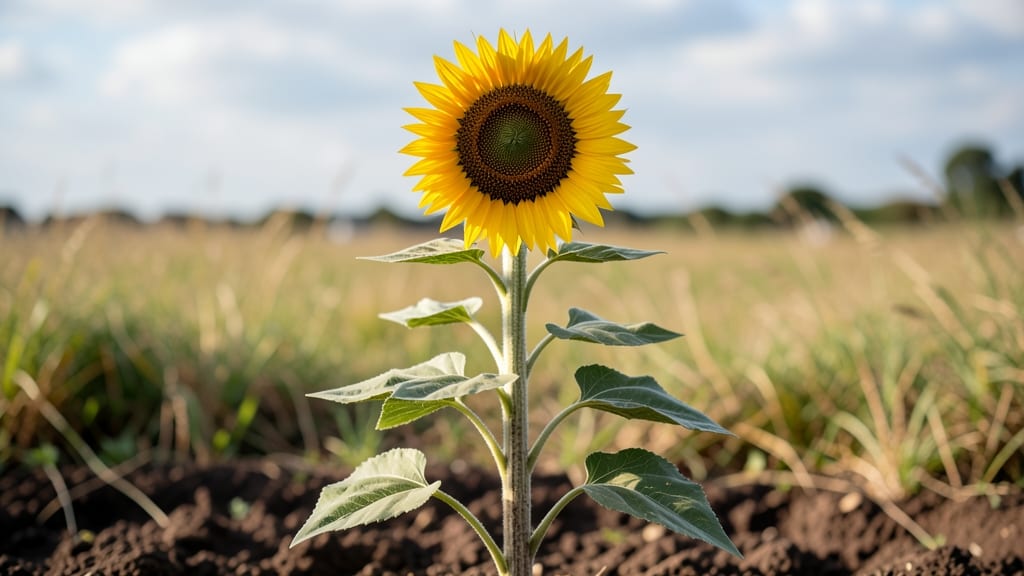
Ever wondered just how tall that cheerful 🌻 sunflower in your garden could grow if given the perfect conditions? The answer might surprise you—some varieties stretch taller than a three-story building, reaching heights that defy expectations.
Whether you're dreaming of a backyard skyline or simply curious about the science behind these towering giants, this is where you'll find the answers.
Sunflowers aren't one-size-fits-all; their height depends on genetics, growing conditions, and a little extra care. From dwarf varieties that top out at just a few feet to giant sunflowers that soar to 12+ feet, the possibilities are as varied as the colors of their petals.
The key to unlocking their full potential lies in understanding their needs—sunlight, soil, and space all play a role in whether your sunflowers will stay modest or reach for the sky.
If you're planning your garden layout or just love a good challenge, knowing how tall sunflowers can grow helps you make the right choices. Should you space them farther apart? Do you need to provide support for those towering stems?
We'll cover all the practical tips to help your sunflowers thrive, no matter which variety you choose. Let's dive into the world of sunflower heights and discover how to grow them like a pro.
From record-breaking champions to backyard-friendly sizes, there's a sunflower variety for every gardener. Whether you're aiming for a dramatic focal point or just want to enjoy their bright faces, understanding their growth potential is the first step.
Get ready to learn how to nurture these giants and watch your garden transform into a sunflower wonderland.

Sunflower height records: the tallest varieties and their stunning heights
Sunflowers aren’t just cheerful garden staples—they can grow into towering giants, reaching heights that will make your neighbors do a double-take. The tallest sunflower varieties can surpass 15 feet, while some record-breaking specimens have even topped 20 feet under ideal conditions.
These giants aren’t just impressive—they’re a testament to the right combination of genetics, climate, and care.
If you’ve ever wondered how tall sunflowers can grow, the answer depends on the variety and growing conditions. Some sunflowers stay compact, perfect for small gardens, while others reach skyscraper heights that require staking and extra space.
The Russian Giant and Mammoth varieties are legendary for their towering stature, but even backyard gardeners can grow sunflowers that reach 10 feet or more with the right techniques.
The Russian Giant variety holds the title for the tallest sunflowers ever recorded, with some specimens reaching over 20 feet in height. These giants require extra space, staking, and patience, as they grow slowly but steadily.
If you’re aiming for a backyard skyscraper, this variety is the gold standard, but it demands nutrient-rich soil and full sun to reach its full potential.
For gardeners with limited space, the Mammoth variety is a fantastic alternative, often reaching 10–14 feet with proper care. Unlike the Russian Giant, Mammoth sunflowers grow faster and are more forgiving of minor variations in care.
Their sturdy stems make them ideal for cut flowers or bird feeders once the blooms fade.
Climate plays a huge role in sunflower height. Sunflowers thrive in warm, sunny climates with long growing seasons.
Regions with USDA Zones 5–9 are ideal, but even cooler climates can produce tall sunflowers if planted early and given extended sunlight exposure. Wind exposure can also stunt growth, so consider planting tall varieties in sheltered spots or using windbreaks.
Genetics aren’t the only factor—soil quality and fertilization can push sunflowers to new heights. A balanced fertilizer with equal parts nitrogen, phosphorus, and potassium (10-10-10) encourages strong stem development.
I’ve found that adding compost or aged manure to the soil before planting gives my sunflowers a growth boost that’s noticeable within weeks.
Watering is another critical factor. While sunflowers are drought-tolerant once established, consistent moisture during the first 6–8 weeks of growth ensures strong root development. Overwatering, however, can lead to weak stems and disease, so aim for deep, infrequent watering rather than daily shallow soaks.
Mulching around the base helps retain moisture and keeps roots cool.
If you’re growing tall sunflowers in containers, choose large pots (at least 18 inches deep) and use a lightweight potting mix to prevent tipping. Even with containers, some varieties like Russian Giant can reach 10–12 feet if given enough space and support.
For extra stability, use bamboo stakes or cages to guide their growth and prevent them from toppling in wind or rain.
One common mistake I see is overcrowding plants, which leads to competition for nutrients and stunted growth. Space tall sunflowers at least 2–3 feet apart to give them room to stretch their legs.
Thinning seedlings early ensures each plant has enough nutrients and sunlight to reach its full height potential.
For those chasing record-breaking heights, consider entering local or national sunflower competitions. Many organizations track the tallest sunflowers, and with the right variety
How to maximize sunflower growth: soil, sun, and care secrets for towering blooms
Sunflowers thrive when given the right conditions, but their height potential depends on more than just sunlight. The soil nutrition you provide can make or break their growth—especially the balance between nitrogen and phosphorus.
Too much nitrogen fuels leafy growth at the expense of height, while phosphorus supports strong root development and stem strength. Aim for a balanced fertilizer like 10-10-10 to encourage both foliage and vertical growth.
Your sunflowers’ watering schedule also plays a critical role. Deep, consistent watering (1-2 inches per week) keeps roots healthy, but overwatering can lead to weak stems. Water in the morning to reduce fungal risks and give plants time to dry before evening.
Mulching around the base helps retain moisture and regulates soil temperature, which is key for tall varieties.
Don’t overlook staking techniques—especially for varieties like 'Russian Giant' that can reach 12-15 feet. Use soft plant ties or bamboo stakes to support stems without restricting growth. Loosen ties as the plant thickens to avoid girdling. For windy areas, consider trellis supports to distribute weight and prevent toppling.
⚠️ Watch Out for These Growth Killers
Overcrowding stunts sunflowers by competing for nutrients and sunlight. Space seeds 6 inches apart and thin to 12-18 inches as they grow. Poor drainage causes root rot, while lack of sunlight (less than 6 hours daily) results in leggy, weak stems. Even late planting (after June) can limit height potential.
Timing matters too! Plant seeds 1 inch deep in well-draining soil after the last frost (typically April-May in most zones). Early planting gives roots more time to establish before the flowering stage. If you’re growing for height, avoid transplanting—sunflowers hate root disturbance and may lag in growth.
For extra-tall varieties, consider adding compost or bone meal to the soil before planting. The phosphorus boosts root depth and stem strength, while compost improves soil structure.
Avoid synthetic fertilizers high in nitrogen—they’ll give you leafy monsters instead of towering blooms. Test your soil’s pH (ideal: 6.0-7.5) and amend if needed.
Finally, monitor for pests and diseases like aphids or powdery mildew, which can stress plants and limit growth. Use neem oil or insecticidal soap for early intervention. With the right care, your sunflowers can reach their full genetic potential, turning your garden into a sunlit skyline. 🌻