
Planting
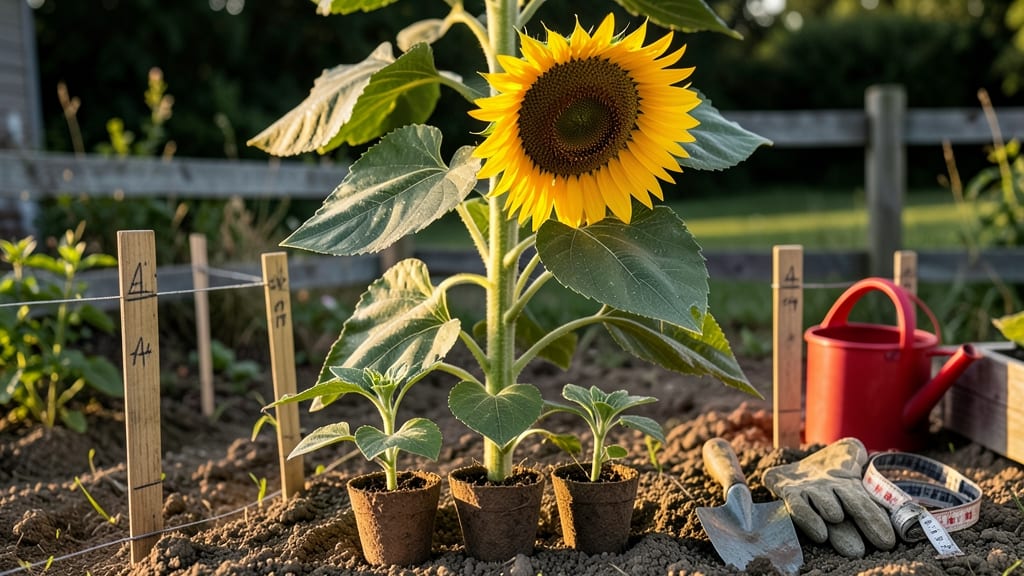
Want those Mammoth Sunflower plant spacing to reach their full towering potential? The right spacing isn't just about preventing overcrowding—it's the foundation for stronger stems, bigger blooms, and fewer flopping disasters.
I've learned the hard way that cramming these giants too close leads to weak, wobbly stems and fewer flowers. But get the spacing right, and you'll unlock their full height—some varieties even surpassing 12 feet!
Whether you're planting in a backyard or a field, precise measurements make all the difference.
From seedlings to full bloom, each growth stage has its own spacing needs. We'll cover the exact inches you need for healthy air circulation, sunlight access, and root development—so your sunflowers can grow strong from the ground up.
Ready to transform your garden into a sunflower sanctuary? Let's dive into the spacing secrets that will give you those showstopping stems and abundant blooms you've been dreaming of.

Mammoth sunflower spacing guidelines by growth stage: from seedlings to full bloom
Mammoth sunflowers need precise spacing at every growth phase to reach their full potential. The right spacing prevents weak stems, maximizes sunlight exposure, and ensures vibrant blooms. I’ve grown these giants for years, and the difference between crowded plants and thriving giants comes down to timing and measurements.
At the seedling stage, plants are tiny but already competing for nutrients. Too close, and they’ll fight for resources, stunting growth. During the vegetative stage, roots expand rapidly—this is when proper spacing prevents overcrowding.
Finally, at full bloom, stems need room to sway without breaking under their own weight.
Here’s the science-backed spacing breakdown for each stage, including variety-specific adjustments for common mammoth types like 'Russian Giant' and 'Mammoth' hybrids. These measurements ensure your sunflowers grow tall, strong, and full of blooms.
| Growth Stage | Spacing (Inches) | Spacing (Feet) | Notes |
|---|---|---|---|
| Seedlings (2-4 weeks) | 6-8 | 0.5-0.67 | Initial planting; thin to 18" later |
| Vegetative (4-8 weeks) | 18-24 | 1.5-2 | Critical for root expansion |
| Flowering (8-12 weeks) | 24-36 | 2-3 | Prevents stem breakage |
| Mature (Full Bloom) | 36-48 | 3-4 | For 'Russian Giant' varieties |
For 'Russian Giant' sunflowers, the largest variety, I recommend starting with 18 inches (1.5 feet) between plants at the vegetative stage. These giants can grow 12-16 feet tall, so their roots spread wide—giving them extra space prevents competition for water and nutrients.
If you’re growing 'Mammoth' hybrids, which are slightly shorter (10-12 feet), you can reduce spacing to 18-24 inches (1.5-2 feet) during the vegetative stage. The key is to monitor their growth and adjust if stems start leaning or leaves yellow.
At the flowering stage, increase spacing to 24-36 inches (2-3 feet) to allow stems to develop without touching. Crowded blooms lead to fewer seeds and weaker stems that snap in wind or rain. I’ve seen sunflowers collapse under their own weight when planted too closely!
For container growing, use at least one 5-gallon pot per plant with 24-inch spacing between containers. This mimics in-ground spacing and ensures adequate root growth. Place containers in full sun and water deeply every 3-5 days to prevent drought stress.
In windy climates, space mammoth sunflowers 36-48 inches (3-4 feet) apart to reduce swaying. Stakes or trellises can help, but proper spacing is the first line of defense against stem damage. I stake my tallest varieties in high-wind areas to prevent breakage.
Finally, always mulch around the base to retain moisture and suppress weeds. A 2-inch layer of organic mulch keeps roots cool and reduces competition. This simple step makes a huge difference in drought-prone areas.
By following these spacing guidelines, your mammoth sunflowers will grow tall, strong, and full of vibrant blooms—ready to dominate your garden like a sun-soaked giant! 🌻
How to adjust mammoth sunflower spacing for different climates and soil types
Your mammoth sunflower spacing needs change dramatically depending on where you live. In hot, dry climates like Arizona or California, plants need more room to prevent heat stress and competition for water.
Meanwhile, in cool, wet regions like the Pacific Northwest, you can space them slightly closer because the soil stays moist longer. I’ve seen 12-foot stems flop in crowded beds—don’t let that happen to yours!
The soil type also plays a huge role. Heavy clay soils slow root growth, so you’ll need wider spacing to prevent roots from competing. In sandy soils, roots spread faster, so you can plant a bit closer.
The key is giving each plant enough room to develop strong roots and sturdy stems, no matter the conditions.
Here’s how to adjust spacing based on your growing conditions:
Climate & Soil Adjustments for Mammoth Sunflower Spacing
- ✅ Wider spacing: 30-36" apart
- ✅ Deeper planting: 1.5-2" deep
- ✅ Mulch heavily to retain moisture
- ✅ Closer spacing: 24-30" apart
- ✅ Raised beds for drainage
- ✅ Less mulch to prevent rot
- ✅ Extra-wide spacing: 36-48" apart
- ✅ Amend soil with compost
- ✅ Avoid overwatering
- ✅ Closer spacing: 24-30" apart
- ✅ Add organic matter to retain moisture
- ✅ Water deeply but less often
If you’re planting in heavy clay, I recommend spacing mammoth sunflowers 36-48 inches apart to prevent root competition. The roots struggle to spread in compacted soil, so giving them extra room helps them establish deeper.
In sandy soils, you can cut that spacing to 24-30 inches because the roots will naturally spread wider and faster.
For hot climates, always plant deeper (1.5–2 inches) and use organic mulch to lock in moisture. In cool, wet climates, raised beds improve drainage and prevent fungal issues.
I’ve had the best luck with 24-inch spacing in these conditions, but always monitor your plants for signs of stress like yellowing leaves or weak stems.
Pro tip: If your soil is nutrient-poor, add a balanced fertilizer at planting and again when flowers appear. This supports stronger stems and bigger blooms, even in challenging conditions. With the right spacing and soil prep, your mammoth sunflowers will reach their full potential—no matter where you garden!