
Flowers
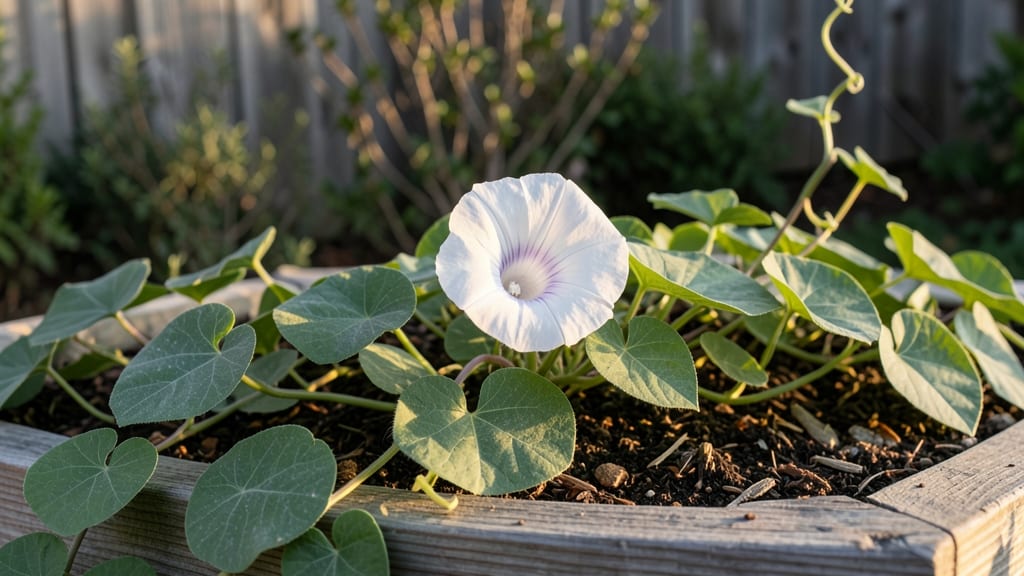
Moonflowers (Ipomoea alba) are the nighttime stars of your garden, but their love affair with light can be confusing—too much sun scorchers their delicate blooms, while too little shade stunts their growth. If you've ever watched your 🌙 vines struggle to thrive, you're not alone.
The key to happy moonflowers lies in understanding their flexible light needs, which shift from full sun to partial shade depending on your climate. In Zone 6a, where spring planting kicks off in April, these vines crave morning sunlight but appreciate afternoon shade to prevent wilting.
I’ll break down exactly how to position your moonflowers for maximum blooms, whether you’re growing them along a trellis or in containers. Learn the subtle signs of light stress—like yellowing leaves or closed buds—and how to adjust care before it’s too late.
With the right light strategy, your moonflowers will reward you with fragrant nighttime blooms from June through September. Let’s make sure your garden’s evening show steals the spotlight—without the guesswork.
 Best Window Placement
Moonflower light requirements: sun vs. shade for optimal growth
Moonflowers (Ipomoea alba) thrive under specific light conditions that directly impact their vine strength, flowering frequency, and overall health. While they're often called "shade-tolerant," their ideal growth actually occurs in bright, indirect light with 4-6 hours of morning sun.
Understanding these light thresholds helps prevent common issues like leggy stems or fewer blooms, ensuring your moonflowers reach their 10-15 ft mature height with lush foliage.
The key to moonflower success lies in balancing sun exposure with heat tolerance. In hot climates (Zones 8-10), afternoon sun can scorch leaves, while cooler regions (Zones 6-7) benefit from full sun exposure.
Partial shade (3-5 hours of direct light) works well in urban gardens or areas with intense afternoon heat, but deep shade (<3 hours) will stunt growth and reduce blooms. Let’s break down how each light condition affects your moonflowers:
In full sun, moonflowers exhibit their best growth characteristics: vines reach 10-15 ft with thick, sturdy stems capable of supporting heavy blooms. The trade-off? Afternoon heat in Zones 8-10 can stress plants, leading to wilting or leaf scorch.
To mitigate this, provide dappled shade using a lightweight trellis with sheer fabric or plant near tall shrubs that offer afternoon relief. Morning sun is ideal because it dries dew quickly, reducing fungal risks like powdery mildew.
Partial shade (3-5 hours of direct light) is the sweet spot for most gardeners, especially in hotter regions. This setup mimics their natural habitat in tropical forests, where they grow under canopy edges. Under these conditions, moonflowers produce moderate blooms and maintain compact vines, making them easier to manage. For container growers, place pots near east-facing windows or under patio umbrellas to filter harsh afternoon rays while ensuring morning light exposure.
Deep shade (<3 hours of light) should be a last resort for moonflowers, as it triggers etiolation—a process where plants stretch toward any available light, resulting in weak, spindly stems and fewer flowers.
If you’re growing moonflowers under dense tree canopies, supplement with a grow light (12-14 hours/day) during spring and summer to encourage flowering. Without intervention, expect pale leaves, sparse blooms, and vines that struggle to climb trellises.
Seasonal light changes also play a role in moonflower care. In spring, when days lengthen, increase morning sun exposure to 5-6 hours to boost growth. By late summer, reduce direct light to 3 hours to prevent heat stress. Use reflective mulch (like white gravel) to bounce light onto vines if your garden lacks ideal sun spots. This simple trick can increase light absorption by 20-30% without additional sunlight.
For container gardening, moonflowers in partial shade require larger pots (15+ gallons) to accommodate their sprawling roots. Smaller containers limit growth and reduce flowering potential. If using containers, place them on elevated stands to improve air circulation and prevent root rot from stagnant water.
In-ground plantings, on the other hand, benefit from mulching with straw to retain moisture and regulate soil temperature during heatwaves.
Pro tip: Monitor your moonflowers’ leaf color as an indicator of light needs. Dark green leaves signal optimal light, while yellowing leaves suggest too much sun, and pale, weak leaves mean insufficient light. Adjust trellis placement or prune nearby trees accordingly. With the right light balance, your moonflowers will reward you with night-blooming magic from June to September!
🌙
How to adapt moonflower care for sun or shade conditions
Moonflowers (Ipomoea alba) thrive with flexibility, but their care shifts dramatically based on whether they bask in full sun or relax in partial shade. In Zone 6a, where summer heat can intensify, afternoon shade becomes crucial to prevent leaf scorch.
Meanwhile, morning sun fuels vigorous vine growth and abundant blooms. The key is adapting your watering schedule, soil mix, and trellis support to match their light environment.
If you’re growing moonflowers in containers, their light needs become even more critical—limited root space means they can’t recover from stress as easily as in-ground plants.
I’ll show you how to adjust care for both scenarios, plus seasonal tweaks as sunlight shifts from spring’s gentle rays to summer’s harsh glare. Let’s dive into the specifics so your moonflowers flourish, no matter where you place them.
- 🌞 Full Sun Care: Use sandy loam soil to prevent heat buildup; water deeply every 2-3 days to combat evaporation.
- 🌳 Partial Shade Care: Amend soil with compost (20%) to retain moisture; water every 3-4 days to avoid soggy roots.
- 🪴 Container Adjustments: Choose 15-gallon pots with drainage; fertilize with 5-10-10 NPK every 4 weeks in summer.
- ☀️ Seasonal Shifts: Move containers to morning sun in summer; extend light with reflective mulch in spring.
- 🌿 Trellis Tips: Use metal or wooden trellises for full sun; opt for flexible bamboo in shade to support weaker vines.
For moonflowers in full sun, prioritize well-draining soil to prevent root rot from frequent watering. I recommend mixing 50% garden soil with 30% perlite and 20% compost to balance drainage and nutrients.
In partial shade, focus on moisture retention by adding peat moss (15%) to your soil mix. This helps maintain consistent soil moisture without risking waterlogged roots.
Watering needs also vary dramatically. In full sun, moonflowers demand deep watering every 2-3 days to replenish lost moisture, especially during Zone 6a summers when temperatures exceed 85°F. In contrast, shade-grown plants need watering every 3-4 days due to slower evaporation.
Always water in the evening to reduce fungal risks from prolonged leaf wetness.
Trellising plays a crucial role in supporting moonflowers, but the approach differs by light exposure. In full sun, vines grow aggressively and need sturdy trellises (6-8 ft tall) to handle their weight.
For shade conditions, opt for flexible supports like bamboo stakes to accommodate slower, weaker growth. Always train vines gently to avoid damaging delicate stems—twist them clockwise around the trellis for natural support.
Fertilization should align with your moonflowers’ light environment. In full sun, feed with a balanced 5-10-10 fertilizer every 4 weeks during the growing season (April–September) to encourage blooming.
In partial shade, reduce frequency to every 6 weeks and use a lower-nitrogen formula (3-4-6) to prevent leafy growth at the expense of flowers. Always apply fertilizer in the early morning to avoid burning roots.