
Flowers
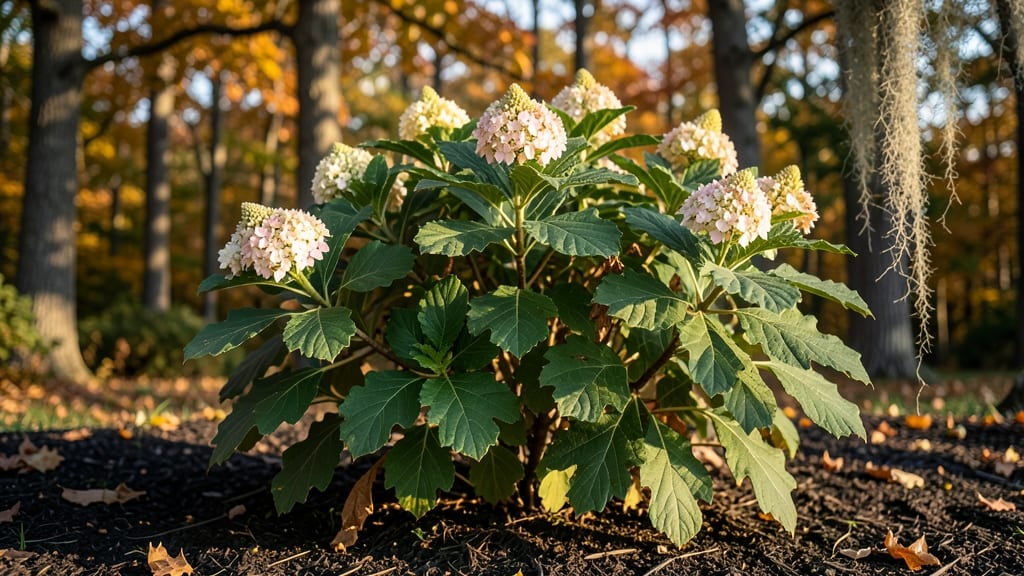
If you’ve ever admired an oakleaf hydrangea flower 🌸 and wondered how to keep it thriving year after year, the secret lies in pruning—done right, it transforms your shrub into a showstopper.
This isn’t just about trimming back random branches; it’s about understanding when and how to shape your plant for bigger blooms and healthier foliage.
Many gardeners skip pruning or do it at the wrong time, leaving their hydrangeas stressed and underwhelming. But with a simple, science-backed calendar, you can encourage lush growth and stunning seasonal color changes. Whether you’re in USDA Zone 6a or beyond, the right timing makes all the difference.
I’ll walk you through a month-by-month guide to pruning your oakleaf hydrangea, so you never miss a beat. From spring’s first cuts to winter’s final adjustments, each step is designed to maximize blooms and keep your plant looking its best. Ready to unlock the full potential of your garden star?
Let’s dive into the easiest way to prune for year-round beauty—no guesswork required.
Oakleaf hydrangea pruning calendar: month-by-month guide for maximum blooms
The oakleaf hydrangea (Hydrangea quercifolia) rewards careful pruning with larger blooms and vibrant fall foliage. Unlike other hydrangeas, it blooms on old and new wood, so timing matters.
This calendar aligns pruning with your USDA zone—adjust 1-2 weeks earlier in warm climates (zones 8+) or later in cold zones (6-7).
Your goal is to shape the shrub, remove dead wood, and encourage next year’s flowers without sacrificing current blooms. I’ll break it down by season, including climate tweaks and key visual cues like leaf color changes that signal action times.
🌿
| Season | Cold Climates (Zones 6-7) | Warm Climates (Zones 8+) | Key Tasks |
|---|---|---|---|
| Winter (Dec-Feb) | Dormant prune after frost | Light prune in Feb | Remove dead/diseased wood; shape 1/3 of oldest stems |
| Early Spring (Mar-Apr) | Late April (after last frost) | March (before buds swell) | Trim crossing branches; fertilize after pruning |
| Summer (Jun-Aug) | Deadhead spent blooms | Deadhead + light shaping | Cut 1/3 of oldest stems to ground; never remove new growth |
| Fall (Sep-Nov) | None (let foliage mature) | None (unless removing storm damage) | Observe fall leaf color (red/purple = healthy); mulch heavily for winter |
Winter is your foundation season—prune when the plant is dormant (Dec-Feb in cold zones) to avoid bleeding sap. In warm zones, wait until February to trim 1/3 of oldest stems to the ground.
Look for brown, brittle branches—these are dead and should go. Use sterilized shears to prevent disease spread.
Early spring (March-April) is for corrective pruning. Remove any crossing branches or stems growing inward. This opens the canopy for better airflow and sunlight penetration, which boosts next year’s blooms. After pruning, apply a balanced fertilizer (10-10-10) to encourage new growth.
Summer pruning is controversial for oakleaf hydrangeas, but deadheading spent blooms in June-July encourages reblooming on new wood. Cut stems back to the first set of healthy leaves below the dead flowers. Avoid heavy pruning—this focuses energy on foliage growth rather than blooms.
🌳
Fall is hands-off season—let the foliage mature for that stunning red/purple show. If you must prune, only remove storm-damaged branches. Mulch with 3-4 inches of organic matter (like shredded leaves) to protect roots from freeze-thaw cycles. In warm zones, this also prevents overheating during mild winters.
Pro tip: Use a string trimmer or sharp loppers for clean cuts. Ragged edges invite pests and disease. Always cut at a 45-degree angle just above a leaf node or outward-facing bud. Label pruned stems with flagging tape if you’re unsure which branches to remove next year.
💡
For large oakleaf hydrangeas (6-8 ft), prune in stages over 2-3 years to avoid shock. Start by removing 1/3 of oldest stems each winter, rotating stems yearly.
This method preserves bloom production while maintaining the shrub’s natural shape. Younger plants (under 3 years) need minimal pruning—just remove dead wood and shape lightly.
5 Common oakleaf hydrangea pruning mistakes that kill your blooms
Your oakleaf hydrangea might look healthy, but if you’re seeing sparse blooms or leggy growth, pruning mistakes could be the culprit. These shrubs thrive on precision—cut at the wrong time or too aggressively, and you’ll sacrifice next year’s showstopping flowers.
The good news? Most pruning errors are easy to fix once you know what to watch for.
I’ve seen gardeners accidentally stunt their hydrangea’s growth by pruning at the wrong season or removing too much old wood. Even well-meaning cuts can leave your plant stressed, vulnerable to pests, or struggling to produce the vibrant blooms you love.
Let’s break down the top 5 mistakes—and how to reverse them before it’s too late.
⚠️ callout-warning ⚠️
Mistake #1: Pruning in Fall or Winter – This is the fastest way to eliminate next year’s blooms. Oakleaf hydrangeas set their flower buds in summer, so cutting back after September removes potential blooms. Instead, wait until dormant season (late winter) when the plant is already resting.
Mistake #2: Over-pruning Old Wood – These hydrangeas rely on last year’s branches for flowers. If you shear back more than 1/3 of the plant, you risk reduced blooming. Focus on shaping rather than drastic cuts—aim to remove only dead or crossing branches.
Mistake #3: Ignoring Dead Wood – Leaving diseased or dead branches invites pests and weakens the plant. Use sterilized shears to cut these out at the base in late winter. This keeps your hydrangea strong and healthy for new growth.
Mistake #4: Using Dull or Dirty Tools – Jagged cuts create entry points for disease. Always disinfect your pruners with rubbing alcohol and use sharp tools for clean cuts. This simple step prevents fungal infections that can kill your plant.
Mistake #5: Skipping Post-Pruning Care – After pruning, your hydrangea needs extra water and balanced fertilizer (10-10-10) to recover. Without this, new growth will be weak and sparse. Water deeply and apply fertilizer in early spring for the best results.