
Succulent
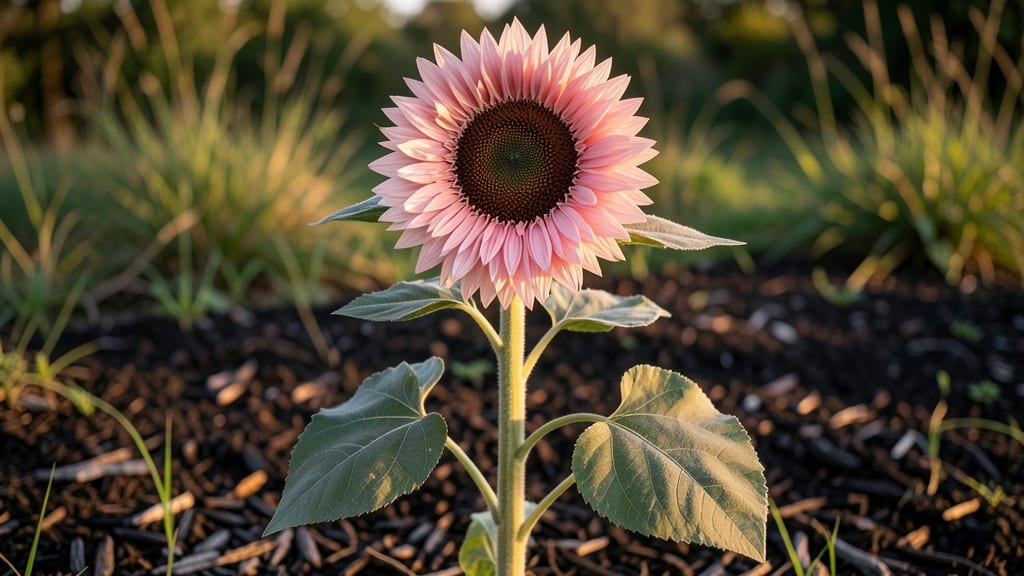
If you’ve ever dreamed of a garden that looks like a storybook come to life, the pink Giant Teddy Bear sunflower 🌻 is your secret weapon.
These aren’t your average sunflowers—they’re towering, velvety-petaled giants that turn heads and spark joy, standing 10 to 14 feet tall like living pink teddy bears in your backyard.
But here’s the catch: these beauties need the right space, sunlight, and a few clever tricks to thrive. Plant them too close, and they’ll lean like drunken giants; give them room to shine, and they’ll become the star of your garden design.
Whether you’re crafting a whimsical cottage border or a dramatic cut-flower display, their height and color make them a game-changer for visual impact.
In this guide, I’ll show you exactly how to maximize their towering potential—from spacing hacks that prevent flopping to pairing them with the perfect companions. Think of it as your cheat sheet for growing sunflowers that feel like a hug from nature.
Ready to turn your garden into a showstopper? Let’s dive into the secrets of growing these pink giants like a pro.
Pink Giant Teddy Bear sunflower height chart: how big can they really get?
The Pink Giant Teddy Bear Sunflower lives up to its name—these sunflowers grow into giant, velvety-pink blooms that can reach 10–14 feet tall under ideal conditions.
Their towering height makes them a dramatic focal point in any garden, but their growth depends on soil quality, sunlight exposure, and regional climate. If you’re planning to grow these sunflowers, knowing their height progression from seedling to maturity helps you design your garden layout and set realistic expectations.
These sunflowers don’t just grow tall—they grow fast. In just 60–90 days, they can shoot up from a tiny seedling to a 10-foot-tall giant. However, their final height varies based on growing conditions.
In cooler climates (USDA Zones 3–5), they may max out at 8–10 feet, while in warmer zones (6–9), they can easily hit 12–14 feet. Understanding these variations helps you space them correctly and avoid overcrowding.
📊 Here’s a quick height comparison: A standard Mammoth sunflower averages 8–12 feet, while the Pink Giant Teddy Bear often surpasses it, reaching 10–14 feet. If you’re working with limited space, consider dwarf varieties (2–4 feet) or semi-dwarf types (4–6 feet) for containers or smaller gardens. Their fluffy, teddy bear-like petals add a whimsical touch, but their heavy seed heads require sturdy stems to avoid flopping.
| Growth Stage | Height Range | Days to Reach Stage | Key Features |
|---|---|---|---|
| Seedling | 0.5–2 inches | 7–14 days | First true leaves appear; delicate stems |
| Vegetative Growth | 3–6 feet | 30–45 days | Rapid stem elongation; needs staking if windy |
| Bud Formation | 6–9 feet | 45–60 days | Petals begin unfolding; heavy heads develop |
| Full Bloom | 10–14 feet | 60–90 days | Velvety pink petals; seed heads mature for harvest |
| Post-Bloom | 10–12 feet | 90–120 days | Seed heads dry; stems may weaken; cut for arrangements |
If you’re growing Pink Giant Teddy Bear Sunflowers in containers, expect slightly shorter heights (8–10 feet) due to root restriction. However, their wide, fluffy blooms still make them a showstopper in pots or raised beds.
For small gardens, opt for semi-dwarf varieties (4–6 feet) to maintain airflow and prevent disease. These shorter types also work well in cut flower arrangements, where their pink hue adds a soft contrast to deeper reds or purples.
One of the most exciting aspects of these sunflowers is their bloom timing. In warmer climates, they may start flowering as early as late June, while in cooler regions, blooms typically appear in July or August.
The pink petals are a unique twist on classic sunflower colors, making them a standout in pollinator gardens. Their long bloom season (4–6 weeks) ensures they remain a garden highlight for weeks, attracting bees and butterflies with their nectar-rich flowers.
For regional variations, keep this in mind: In the South (Zones 7–9), these sunflowers can grow up to 14 feet with longer growing seasons, while in the North (Zones 3–5), they’ll likely top out at 8–10 feet.
If you’re in a shorter-season area, start seeds indoors 4–6 weeks before the last frost to give them a head start. In cooler climates, consider black plastic mulch to warm the soil and extend the growing season for taller growth.
To maximize height, provide full sun (6+ hours daily) and well-draining soil rich in organic matter. A **balanced fertilizer (1
Spacing and planting hacks for maximizing towering blooms without crowding
The Pink Giant Teddy Bear Sunflower can reach heights of 10–14 feet, making them a stunning but space-hungry addition to your garden. To ensure these velvety pink giants thrive without competing for resources, proper spacing and planting strategies are essential.
Crowding can lead to weak stems, stunted growth, or even flopping under their own weight—so let’s dive into the best practices to keep them standing tall and proud.
For optimal growth, plant your Pink Giant Teddy Bear Sunflowers 18–36 inches apart, depending on your soil fertility and sunlight exposure. In rich, well-draining soil with full sun exposure (6+ hours daily), you can space them closer (18–24 inches).
If your soil is less fertile or sunlight is limited, increase spacing to 30–36 inches to prevent competition. This ensures each plant gets the nutrients and sunlight it needs to reach its full, majestic height.
- 📏 Spacing: 18–24" for fertile soil, 30–36" for poorer soil.
- 🪴 Containers: Use 18–24" diameter pots with drainage holes.
- 🌿 Companion Plants: Pair with bush beans or marigolds to save space.
- ✂️ Pruning: Remove lower leaves to improve airflow and prevent flopping.
- ☀️ Sunlight: Ensure 6+ hours of direct sun daily for maximum height.
If you’re working with a small garden or urban space, don’t despair! These sunflowers can also thrive in large containers (18–24 inches in diameter). Choose pots with drainage holes and fill them with a lightweight, well-draining potting mix.
Place containers in a sunny spot and water deeply every 2–3 days to mimic in-ground conditions. This method also makes it easier to rotate plants for even sunlight exposure.
For a whimsical, space-saving design, try companion planting. Pair your Pink Giant Teddy Bear Sunflowers with shorter, bushier plants like marigolds or nasturtiums, which add color without stealing sunlight.
You can also use trellises or stakes to support taller varieties, creating vertical interest while freeing up ground space for other plants. This approach is perfect for cutting gardens or pollinator-friendly plots.
To encourage bushier growth and prevent flopping, practice selective pruning. Once your sunflowers reach 2–3 feet tall, pinch back the top few inches to promote lateral branching. Additionally, remove any lower leaves that touch the soil to reduce disease risk and improve airflow.
This technique helps the plant channel energy into stronger stems and more abundant blooms, ensuring your Pink Giants stay upright and stunning all season.
With these spacing hacks and planting strategies, your Pink Giant Teddy Bear Sunflowers will thrive without overcrowding, becoming the showstopping centerpiece of your garden.
Whether you’re working with a sprawling backyard or a cozy balcony, these tips will help you grow towering, velvety blooms that turn heads and attract pollinators. Happy planting! 🌸