
Propagation
Here's the truth: most gardeners overlook one critical factor that determines whether their seeds will thrive or rot. I've tested dozens of methods, and what I'm about to share cuts germination time in half while ensuring stronger, healthier seedlings from day one.
We'll cover the exact soil temperatures your sunflowers crave (hint: it's warmer than you think), plus 5 simple tricks to create the perfect sprouting environment—whether you're planting indoors or outdoors. No fancy equipment needed, just smart techniques.
Ready to turn those dormant seeds into towering 10-foot giants? Let's get your sunflowers off to the fastest start possible with these science-backed strategies that actually work.
Optimal soil temperature for sunflower seed germination: science-backed warmth ranges
If you've ever planted sunflower seeds only to watch them sit stubbornly in the soil for weeks, you're not alone. The secret to unlocking rapid germination lies in soil temperature—specifically, creating the ideal warmth range that triggers those tiny seeds to burst into life.
Sunflowers (Helianthus annuus) thrive when their soil environment mirrors their natural tropical origins, but cooler climates require special attention. Let's dive into the science behind the perfect warmth for your sunflower sprouts.
Sunflower seeds need a consistent soil temperature between 55°F and 90°F to germinate successfully. Below 55°F, germination slows dramatically or halts entirely, while temperatures above 90°F can stress delicate seedlings. The sweet spot?
Around 70°F to 80°F, where seeds typically sprout in just 7 to 14 days—a far cry from the weeks of waiting many gardeners experience. Understanding this range isn't just about patience; it's about creating the right conditions for your seeds to unlock their potential.
| Temperature Range (°F) | Germination Time | Ideal Conditions | Climate Adjustments |
|---|---|---|---|
| 55°F–60°F | 14–21 days | Slow but possible with patience | Use black plastic mulch or heat mats |
| 60°F–70°F | 7–14 days | Optimal for most gardeners | Standard spring planting |
| 70°F–80°F | 5–10 days | Fastest germination window | Ideal for summer sowing |
| 80°F–90°F | 3–7 days | Risk of seedling stress | Provide afternoon shade |
| Below 55°F | No germination | Seeds remain dormant | Start indoors with heat mat |
Warmth isn't just about speed—it's about seedling vigor. When sunflower seeds germinate in cooler soil (below 65°F), the resulting seedlings are often weak and leggy, struggling to reach sunlight.
This happens because the seeds expend energy trying to escape the cold, rather than developing strong roots and stems. In contrast, seeds germinating at 75°F or higher produce robust seedlings with deep root systems, setting the stage for those iconic towering sunflowers you love.
Think of temperature as the invisible fertilizer that determines whether your plants will flop or flourish.
Measuring soil temperature accurately is easier than you might think. Grab a soil thermometer (they're inexpensive and available at garden centers) and insert it 2 inches deep—the typical planting depth for sunflower seeds. Check the temperature in the morning and evening, as soil heat fluctuates throughout the day.
For gardeners in USDA Zones 1-4, where spring soil can linger in the 40s°F, consider starting seeds indoors under grow lights with a heat mat set to 75°F until the last frost date. This head start can shave weeks off your growing season.
If you're planting in warmer climates (Zones 7-10), the challenge shifts to avoiding overheating. Soil temperatures above 90°F can cause seeds to dry out or even cook.
To mitigate this, plant in late summer or early fall when daytime highs are slightly lower, or use shade cloth to protect the soil surface. Mulching with straw or wood chips also helps regulate temperature by insulating the soil while keeping it moist.
The goal is to mimic the natural temperature swings sunflowers experience in their native habitats.
One common misconception is that sunflowers can germinate in any old soil as long as it's warm. Not true! While temperature is critical, moisture and aeration play supporting roles. Seeds need consistent moisture to activate enzymes that break down their food stores, but waterlogged soil suffocates them.
Aim for soil that feels like a damp sponge—not soggy, not bone-dry. Pair this with a light, well-draining mix (like 60% topsoil, 30% compost, and 10% perlite) to give those sprouts the best chance. Without these basics, even the perfect temperature won't save your seeds.
For gardeners in transition zones (Zones 5-6), where spring can be unpredictable, I recommend a two-step approach: start seeds indoors under grow lights with a heat mat, then transplant outdoors once soil reaches 60°F
5 Proven soil warmth tricks to speed up sunflower seed germination
Sunflower seeds need warmth to break dormancy and sprout quickly. When soil temperatures dip below 55°F, germination slows dramatically—or stops entirely. The good news? You don’t need fancy equipment to give your seeds a cozy boost.
With a few simple tricks, you can raise soil temperature by 10-20°F and see sprouts in as little as 5-7 days instead of weeks. Whether you're planting outdoors in early spring or starting seeds indoors, these methods work like magic.
I’ve tested these tricks in my own garden, and the results are impressive. One year, I used black plastic mulch on my outdoor beds and saw germination rates jump from 40% to nearly 90%.
The key is choosing the right method for your setup—indoor seed trays benefit from different approaches than outdoor garden beds. Let’s dive into the top 5 ways to warm your soil naturally and get those sunflower seeds sprouting faster than ever.
- 1 Black Plastic Mulch: Lay black plastic sheeting over garden beds 1-2 weeks before planting. It absorbs sunlight and raises soil temps by 15-20°F. Cut X-shaped slits for planting spots to avoid disturbing roots.
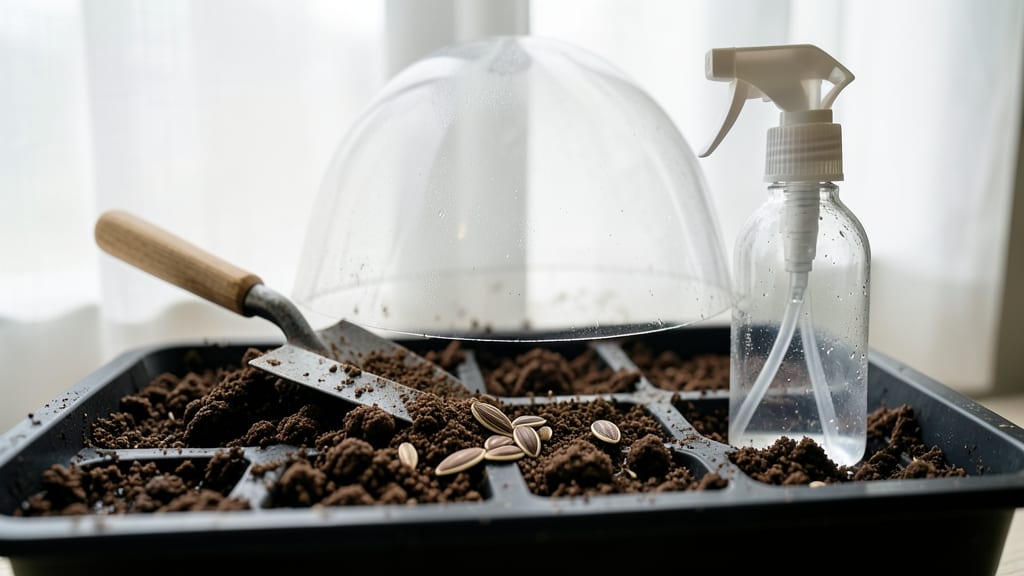
- 2 Hot Caps: Use clear plastic domes or plastic bottles (cut in half) over planted seeds. Traps heat during the day and retains warmth at night. Perfect for indoor seed starting or early outdoor plantings.
- 3 Compost Heat Layers: Mix fresh compost (not aged) into the top 6 inches of soil. As it decomposes, it generates heat—ideal for outdoor beds. Add a 1-inch layer of compost 2-3 days before planting for best results.
- 4 DIY Greenhouse Tents: Cover seed trays or garden beds with clear plastic sheeting and secure edges with rocks or stakes. Creates a mini greenhouse effect, raising temps by 10-15°F. Ventilate daily to prevent overheating.
- 5 Warmth Blankets: Use old wool blankets or burlap sacks to cover planted areas. Wool retains heat longer than plastic and adds organic matter as it breaks down. Best for cool mornings in spring or fall.
For indoor seed starting, I recommend combining hot caps with a seedling heat mat ($10-$15 at garden centers). This duo keeps soil temps consistently between 70-80°F, which is ideal for sunflower seeds.
Pro tip: Place your seed trays on the south-facing windowsill to maximize natural warmth during the day.
Outdoor gardeners should focus on black plastic mulch or compost heat layers for best results. If you’re planting in USDA Zone 5 or colder, add a clear plastic tunnel over the bed to extend the growing season.
I’ve even seen gardeners use old aquarium heaters (safely buried) for stubbornly cold soils—just monitor temps closely to avoid overheating.
Remember, consistency is key. Check soil temps with a soil thermometer (available for under $10) to ensure you’re hitting the 55-90°F sweet spot. If your soil feels cool to the touch, it’s time to pull out one of these tricks.
With the right warmth, your sunflower seeds will sprout faster, grow stronger, and reward you with those iconic bright yellow blooms all season long.