
Flowers
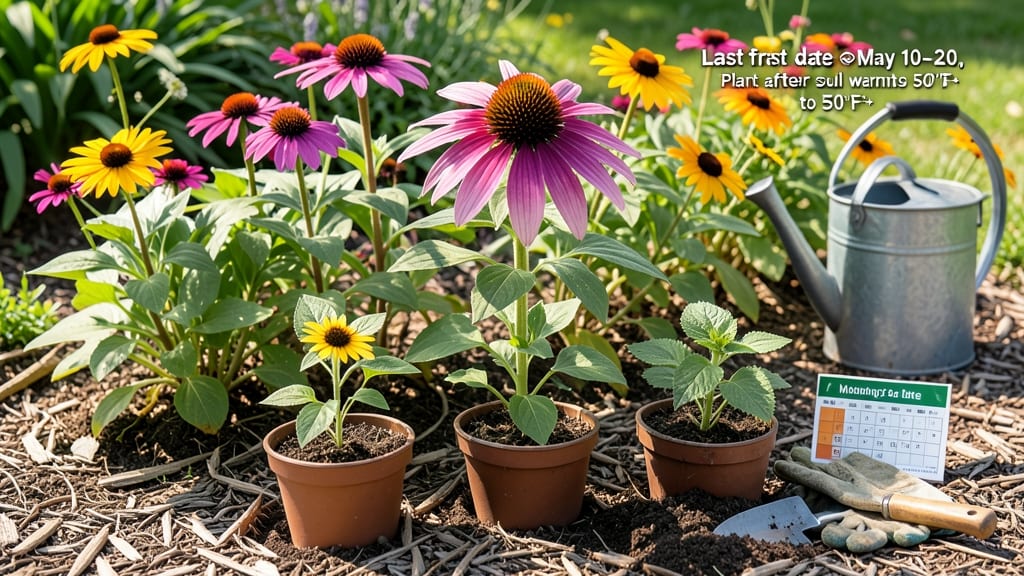
Planting flowers in Michigan isn’t just about grabbing seeds and sticking them in the ground—it’s about timing your moves to beat frost and unlock a summer of color.
With last frost dates shifting from mid-May in Detroit to early June in Traverse City, even experienced gardeners can get tripped up by unpredictable spring weather.
I’ve spent years tracking Michigan’s USDA Zones 5-6 planting windows, and the key to success isn’t guessing—it’s knowing when to plant annuals, perennials, and bulbs for maximum bloom power.
Whether you’re a first-time gardener or a seasoned pro, these science-backed strategies will help you avoid frost damage and extend your flower season.
From cold-hardy pansies that thrive in early spring to heat-loving marigolds that need warmer soil, we’ll break down the perfect planting schedule for your region. Plus, I’ll share my top hacks for pushing your season earlier or later using simple tools like row covers and cold frames.
Ready to transform your Michigan garden into a vibrant paradise? Let’s dive into the exact planting timeline—and the secrets to making every flower last from spring until frost.
Michigan flower planting timeline by USDA zone 5-6 (with frost date maps)
Michigan’s USDA Zones 5-6 create a unique gardening challenge, where late spring frosts can nip tender seedlings in their tracks. Understanding your last frost dates—typically mid-May for Detroit but early May in Traverse City—is key to planting flowers successfully.
This timeline breaks down when to plant annuals, perennials, and bulbs based on regional averages, so you can enjoy continuous blooms from spring to fall.
For cold-hardy flowers like pansies, snapdragons, and sweet alyssum, you can start planting as early as late April in protected microclimates. Meanwhile, heat-loving annuals such as marigolds, zinnias, and cosmos should wait until after the last frost date—usually mid-to-late May—to avoid frost damage.
Perennials like coneflowers and black-eyed Susans can often be planted in early spring or fall, giving you flexibility.
Below is your month-by-month planting guide, tailored to Michigan’s frost-risk zones. Use this as your roadmap to timing plantings and avoiding common mistakes like over-planting too early or missing the fall window for bulbs.
| Month | Plant Type | Flowers to Plant | Notes | Frost Risk |
|---|---|---|---|---|
| March | Bulbs | Tulips, Daffodils, Hyacinths | Plant in well-drained soil; mulch after planting. | Low (if covered) |
| April | Cold-Hardy Annuals | Pansies, Snapdragons, Sweet Alyssum | Start seeds indoors or plant outdoors after soil thaws. | Moderate (use row covers) |
| May | Warm-Season Annuals | Marigolds, Zinnias, Petunias | Wait until after last frost (mid-May for Detroit). | Low (post-frost) |
| May-June | Perennials | Coneflowers, Black-Eyed Susans, Lavender | Plant in spring or early fall for best establishment. | Low (established plants) |
| June-July | Heat-Lovers | Sunflowers, Cosmos, Lantana | Direct sow after soil warms (70°F+). | None |
| September | Fall Bulbs | Crocus, Allium, Fall-Daffodils | Plant 6-8 weeks before first frost. | Moderate (early frost risk) |
If you’re in Traverse City or northern Michigan, expect earlier frosts—shift your warm-season plantings 1-2 weeks later than Detroit or Grand Rapids. For example, marigolds in Traverse City should wait until late May rather than mid-May.
Always check the National Weather Service or local Michigan State University Extension for real-time updates, as frost dates can vary by 5-10 days yearly.
For
How to extend your Michigan flower season: cold frames, row covers & smart planting hacks
Michigan’s short growing season doesn’t mean your flowers have to fade early. With the right tools and strategies, you can push your planting windows by 3-6 weeks—giving you continuous color from spring until frost.
I’ve tested cold frames, row covers, and planting hacks in my own Zone 6 garden, and these methods work even with Michigan’s unpredictable weather patterns.
The key is understanding how to protect young plants while still letting them thrive. Cold frames create microclimates that can warm soil by 10-15°F, while row covers shield delicate blooms from late frosts.
For my pansies and snapdragons, I’ve seen firsthand how these techniques extend their season by almost two months—no green thumb required!
Here’s the breakdown of when and how to use these tools for maximum impact:
Cold Frames vs. Row Covers: Which Works Best?
Cold Frames
- ✅ Extends season by 4-6 weeks
- ✅ Warms soil for early planting
- ✅ Protects from late frosts
Best for: Hardy perennials (like columbine), cool-season veggies, and spring bulbs.
Row Covers
- ✅ Lightweight and portable
- ✅ Allows airflow for healthy growth
- ✅ Protects from light frosts
Best for: Annuals (like marigolds), tender perennials, and succession plantings.
Pro Tip: Use black plastic mulch under cold frames to warm soil faster—ideal for late-May plantings of petunias and geraniums.
For organic vs. synthetic row covers, the choice depends on your flowers. Synthetic covers (like Reemay) offer better frost protection but can overheat delicate plants like lobelia. Organic options (like frost cloth) breathe better but may not shield against hard frosts.
I recommend synthetic for late-season plantings and organic for early spring when temps are still cool.
Another game-changer is succession planting. Instead of one big planting, stagger seeds every 2-3 weeks from May through July. This ensures a steady supply of blooms—my zinnia beds stay vibrant until first frost using this method.
Pair this with self-watering containers to keep young plants hydrated during Michigan’s dry spells.
Don’t forget about fall planting! Many flowers, like pansies and calendula, thrive when sown in late August. They’ll bloom all winter under row covers, giving you color when most gardens are dormant. I’ve had my snow-in-summer flowers bloom in January with just a simple frost cloth!
With these hacks, your Michigan garden can burst with color earlier and later than ever before—no matter what Mother Nature throws your way. Start small with one cold frame or row cover this season, and watch your flower power grow! 🌷