
Blooming
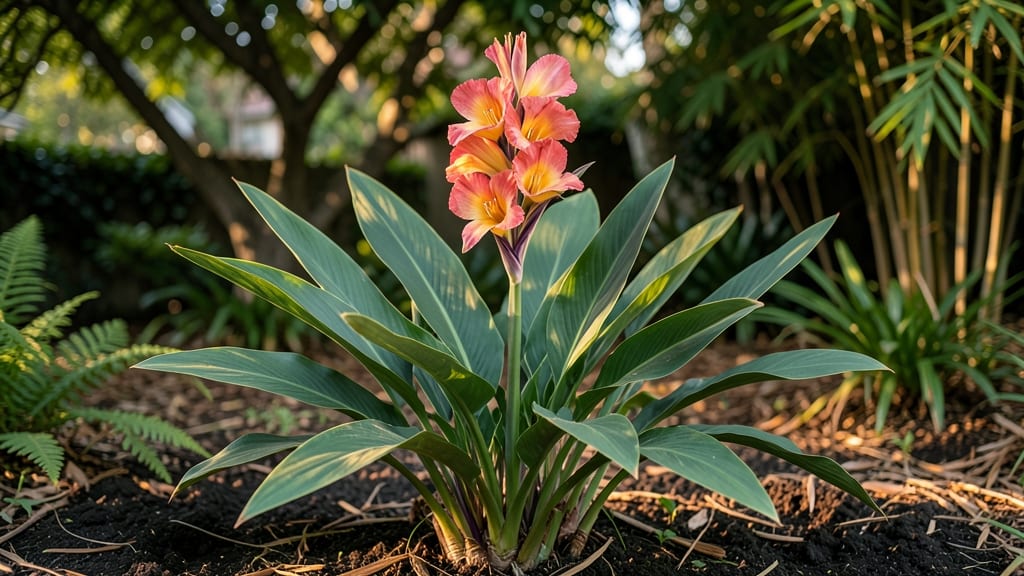
If you’ve ever planted cannas 🌸 hoping for the moment when do cannas flower, you know the wait can feel endless—until those dramatic blooms finally appear.
The truth is, cannas don’t follow a one-size-fits-all schedule; their flowering window shifts based on your climate zone, variety, and even how well you’ve cared for them.
For most gardeners in USDA Zone 6a and warmer, cannas typically start flowering in mid-to-late summer, with peak bloom stretching through August and September. But here’s the catch: cooler regions or early-planted rhizomes might delay blooms until July, while heat-loving varieties could burst into color as early as June.
Want to coax your cannas into blooming sooner or keep them flowering longer? The secret lies in understanding their needs—from sunlight and soil to feeding and pruning. I’ll break down the exact timeline for your zone, plus pro tips to extend that vibrant display well into fall.
Whether you’re a first-time grower or a seasoned gardener, knowing when your cannas will flower helps you plan your garden like a pro. Let’s dive into the month-by-month guide so you can enjoy those showstopping blooms all season long.
Cannas flowering timeline by USDA hardiness zones: month-by-month breakdown
If you've ever wondered "when do cannas flower" in your specific climate, the answer depends heavily on your USDA hardiness zone and the variety you're growing. Cannas thrive in zones 7 through 11, where warm temperatures and long daylight hours trigger their spectacular blooms.
Understanding these monthly patterns helps you plan for early bloomers, peak seasons, and even late-season varieties that extend your garden's color palette well into fall.
The flowering timeline for cannas isn't just about the calendar—it's also influenced by daylight length and soil temperatures. In Zone 7, for example, cannas often need a little extra warmth to kickstart blooming, while Zone 11 varieties might start earlier due to year-round growing conditions.
Let's break down what you can expect month by month to help you anticipate those show-stopping blooms.
🌸 Pro Tip: Most cannas follow a 60-90 day growth cycle from planting to first bloom, but this can vary by 10-15 days depending on your zone and care practices.
In Zone 7, where winters are colder, cannas often need to wait until late June to see their first blooms because they require soil temperatures above 60°F to trigger flowering.
The peak season stretches from July through August, but with proper care, some varieties like 'Striped' cannas can continue blooming into early September. This zone's shorter growing season means timing your planting after the last frost (mid-April to early May) is critical for maximizing bloom time.
Gardeners in Zone 8 enjoy a more extended flowering window, with early June blooms and a peak season that lasts until September. Some late-season varieties like 'Australia' cannas can even produce flowers into late October if temperatures remain mild.
The key here is ensuring your cannas receive at least 14 hours of daylight, which helps stimulate bud formation. If your area experiences early fall frosts, consider planting heat-tolerant varieties like 'Durban' for prolonged blooming.
For Zone 9 gardeners, the show begins even earlier—mid-May—thanks to warmer winters and longer growing seasons. The peak flowering period spans from June through October, with some varieties continuing into November if humidity levels stay moderate.
This zone is ideal for tropical canna varieties like 'Black Knight', which thrive in the 70-85°F range and produce dramatic deep purple blooms. Pay attention to afternoon humidity, as high levels can sometimes delay blooming.
In Zone 10, where temperatures rarely drop below 30°F, cannas can start flowering as early as April and continue through November. The extended growing season allows for year-round planning
How to extend your cannas’ blooming season naturally (without chemicals)
If you love those dramatic canna blooms but wish they lasted longer, the good news is you can extend their flowering season with simple, natural techniques.
Cannas naturally bloom from mid-summer through fall, but with the right care, you can push those vibrant flowers into early October—or even later in warmer climates. The key lies in understanding their growth cycle and making small adjustments to your routine.
Unlike many plants that rely on synthetic blooming boosters, cannas respond beautifully to organic care methods. By focusing on pruning strategies, smart fertilization, and seasonal watering adjustments, you can encourage your cannas to produce flowers well beyond their typical timeline.
Let’s explore the most effective ways to keep your garden bursting with color all season long.
- 🌞 1. Deadhead Regularly – Remove spent blooms every 3-4 days to redirect energy to new buds.
- 🌱 2. Prune for Airflow – Trim yellow or damaged leaves to improve circulation and reduce disease.
- 💧 3. Water Deeply in AM – Soak roots 1-2 gallons per plant before 10 AM to prevent fungal issues.
- 🌿 4. Feed with Phosphorus – Use a 10-10-10 fertilizer every 4-6 weeks to boost blooming.
- ☀️ 5. Mulch Heavily – Apply 3-4 inches of mulch to retain moisture and protect roots from temperature swings.
One of the simplest yet most effective ways to extend blooming is deadheading. By removing faded flowers consistently, you encourage your cannas to produce new buds instead of seed pods.
I’ve found that checking my plants every 3-4 days keeps them in peak condition. This small habit can add 2-3 extra weeks of vibrant blooms to your garden.
Fertilization plays a crucial role in prolonging the flowering season. Cannas thrive on a balanced fertilizer with equal parts nitrogen, phosphorus, and potassium. During the blooming season, I switch to a phosphorus-heavy formula (like 5-10-5) to support flower production.
Applying this every 4-6 weeks ensures your cannas have the nutrients they need to keep blooming.
Watering strategies also make a big difference. While cannas love moisture, overwatering can stress the plant and reduce flowering. I water deeply in the morning only, allowing the soil to dry slightly between waterings. This approach prevents fungal diseases while keeping the roots hydrated—perfect for encouraging more blooms.
For gardeners in cooler climates, extending the blooming season often comes down to seasonal adjustments. If frost threatens, I move potted cannas to a sunny indoor spot or cover them with frost cloth.
This simple trick can preserve blooms well into October or even November in mild areas. Even a few extra weeks of color make the effort worthwhile!