
Plants
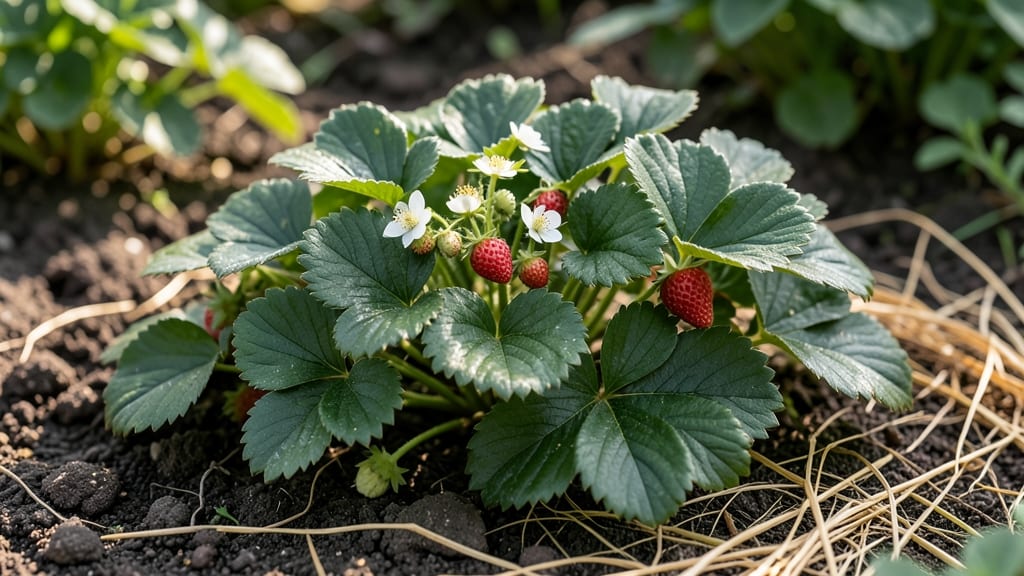
Strawberry plants flower when the conditions are just right—and missing that window means fewer sweet 🍓 harvests. In Zone 6a, most varieties burst into bloom between late April and early May, but timing shifts dramatically depending on whether you're growing June-bearing, everbearing, or day-neutral types.
If you're wondering why your strawberries haven't flowered yet, it might be waiting for chilling hours or daylight triggers. First-year plants often hold off until they've stored enough energy, while mature bushes can bloom as early as March in warmer microclimates. The key is knowing your plant's needs.
Once those delicate white flowers appear, you've got a 6-8 week window to protect them from frost and pests. I'll show you how to spot early signs of blooming, adjust care routines, and even extend the flowering season for a longer harvest—no guesswork required.
Whether you're a first-time gardener or a seasoned grower, these insights will help you time your strawberry care perfectly. Let's dive into the exact months your plants will flower and how to turn those blooms into a bountiful harvest.
Strawberry flowering timeline by USDA hardiness zones
Timing is everything when growing strawberries, and flowering months vary dramatically across USDA hardiness zones. June-bearing varieties produce one massive bloom cycle, while everbearing and day-neutral types flower repeatedly. Understanding your zone's typical bloom windows helps you plan for harvests and protect delicate flowers from frost.
Cold northern zones (3-5) experience early spring blooms, while southern zones (8-10) may see multiple flowering cycles. Day-neutral varieties like 'Seascape' can even flower year-round in mild climates. Let's break down the exact months your strawberries will bloom based on where you garden.
Key factors affecting flowering:
- Chilling hours (required for June-bearing varieties)
- Daylength (critical for day-neutral types)
- Soil temperatures (must reach 45°F+)
- Variety type (June-bearing vs. everbearing)
| USDA Zone | June-Bearing Bloom | Everbearing Bloom | Day-Neutral Bloom | Notes |
|---|---|---|---|---|
| 3-4 | Late May - Early June | June, August-Sept | June-October | Frost risk high; use row covers |
| 5-6 | Mid-May - June | May-June, Aug-Sept | May-October | Classic strawberry zone |
| 7-8 | April-May, Sept-Oct | March-May, Aug-Nov | February-November | Multiple harvest windows |
| 9-10 | Feb-April, Sept-Nov | Year-round | Year-round | No winter dormancy |
In zones 3-4, June-bearing varieties like 'Jewel' typically bloom in late May after accumulating enough chilling hours. Everbearing types may produce a second flush in August-September, while day-neutral varieties like 'Seascape' can flower continuously from June through October.
Protect early blooms with frost cloth if nighttime temperatures dip below 32°F.
Gardeners in zones 5-6 enjoy the classic June-bearing bloom in mid-May to June, with everbearing varieties producing additional crops in late summer. Day-neutral types thrive here, offering near-continuous flowering from May through October. This zone is perfect for successive planting to extend harvests.
Warmer zones 7-8 experience two distinct bloom cycles for June-bearing varieties: spring (April-May) and fall (September-October). Everbearing types may flower year-round with proper care, while day-neutral varieties like 'Ozark Beauty' produce berries every 2-3 weeks from March through November. Mulching helps maintain consistent soil temperatures.
Southern gardeners in zones 9-10 have the advantage of year-round growth. June-bearing varieties may produce two harvests annually (spring and fall), while everbearing and day-neutral types flower continuously. In these zones, shade cloth becomes important during peak summer to prevent flower burn from intense sunlight.
Regional variations exist even within zones. For example, Pacific Northwest gardens in zone 7 may see blooms 2-3 weeks earlier than those in Appalachian zone 7 due to cooler coastal climates. Always monitor your plants' specific variety requirements and adjust care accordingly.
Pro tip: Track your plants' flowering for 2-3 years to identify your garden's unique patterns. Note when blooms appear, how long they last, and any environmental factors that affected flowering (like unseasonal heat waves or late frosts). This local data becomes invaluable for future harvest planning.
🌱
How to predict strawberry flowering based on plant age and variety
Predicting when your strawberry plants will flower isn't just about guessing—it's a mix of plant age, variety type, and environmental cues. First-year plants often focus on root and leaf growth, while mature plants shift energy to flowering and fruiting.
Understanding these factors helps you plan for a bountiful harvest.
Your strawberry variety plays a huge role. June-bearing types like 'Jewel' produce one massive bloom in spring, while everbearing varieties like 'Seascape' flower multiple times. Day-neutral types, such as 'Tristar', keep blooming all season long. Knowing your variety's tendencies lets you set realistic expectations for timing.
Environmental triggers like chilling hours and daylight exposure are critical. Most strawberries need 250-1000 hours below 45°F to trigger flowering. In warmer climates, like Zone 9-10, everbearing varieties may flower year-round, while June-bearing types might struggle without adequate winter chill.
If your strawberries aren't flowering by expected times, check for stress factors like poor soil, overcrowding, or pests. Adjust care by improving drainage, thinning plants, or providing shade in extreme heat. Sometimes, a light nitrogen-rich fertilizer in early spring can encourage stronger growth for next year's blooms.
For container-grown strawberries, flowering timing may shift slightly due to temperature fluctuations. Monitor your plants closely and adjust watering or mulching to maintain consistent soil moisture. Potted varieties often flower earlier in spring if they receive adequate sunlight and protection from frost.
By understanding these key factors—plant age, variety type, and environmental triggers—you can predict flowering with confidence and enjoy a longer harvest season. Keep an eye on those early blooms, and you'll be picking sweet strawberries in no time! 🍓