
Flowers
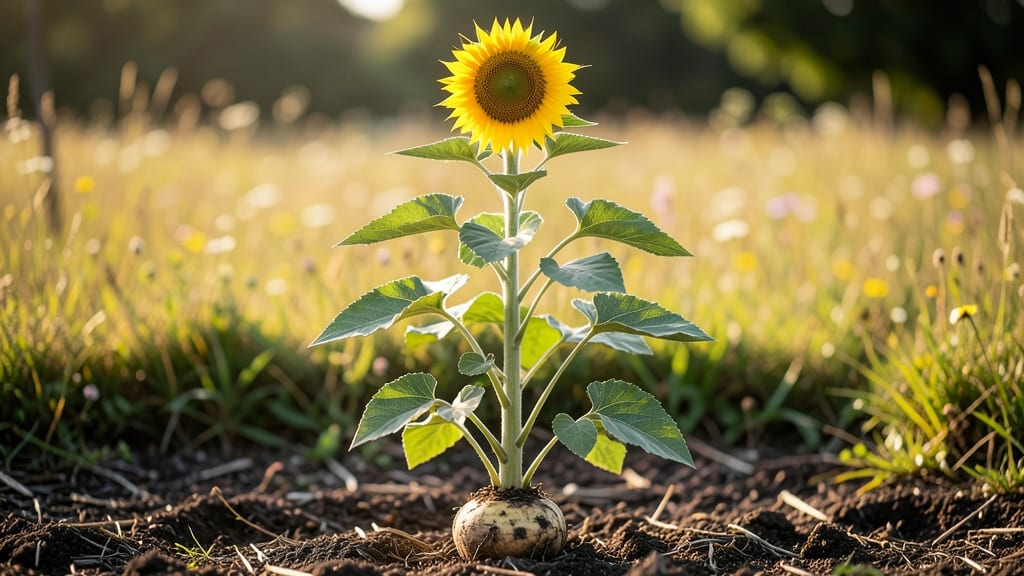
If you’ve ever wondered when do sunchokes flower, those knobby tubers you planted will finally send up their striking purple blooms—timing is everything.
These hardy perennials take their sweet time—typically 2 years from planting before they flower—but knowing the exact window helps you plan for harvests, pest control, and even propagation.
For most gardeners in USDA Zone 6a (like me!), sunchokes usually burst into bloom between July and August of their second year, though cooler climates may push them back to early fall.
The key? Warm soil and consistent sunlight trigger those vibrant flowers, and once they appear, you’ll want to act fast—because they signal the perfect time to dig your tubers.
But here’s the catch: flowering doesn’t mean the end of your harvest. In fact, it’s often the best cue to start digging those edible tubers before the foliage fades. I’ll show you how to time it right, plus tips to encourage blooms if your plants are playing hard to flower.
Ready to unlock the secrets of sunchoke blooms? Let’s dive into the exact months, zone-by-zone, so you never miss a single flower—or tuber—again.
Sunchoke flowering timeline by USDA Zone: month-by-month breakdown
Sunchokes (Jerusalem artichokes) are perennials that typically flower in their second year, but timing varies dramatically by USDA zone and microclimate. In cooler zones (3–5), blooms often appear late July to early September, while warmer zones (8–10) may see flowers as early as May or June.
Understanding these patterns helps you time harvests, manage pests, and even propagate new plants from seeds.
Flowering is triggered by daylength and soil temperatures. Sunchokes need 14+ hours of daylight to initiate buds, which explains why northern gardens bloom later. Meanwhile, soil temps above 60°F accelerate growth, pushing blooms earlier in southern climates.
Even within a zone, elevation or urban heat islands can shift timing by 2–4 weeks.
Here’s a zone-by-zone breakdown of when to expect those iconic purple-pink blooms, along with regional adjustments for early vs. late varieties. Use this as your guide to plan for harvest windows (which follow flowering by 4–6 weeks) and pest monitoring.
In Zones 3–4, sunchokes often need a warm spring to flower on time. If your area has cool, wet summers, blooms may delay until late August or September. Conversely, Zones 9–10 sometimes see year-round growth, with flowers appearing as early as February in mild winters.
This is why I always recommend planting early varieties in northern climates and late varieties in southern regions for synchronized blooms.
Regional microclimates play a huge role. For example, urban heat islands in Zone 5 cities might push blooms into June, while rural areas could see them in July. Similarly, high-elevation gardens in Zone 7 may mirror Zone 6 timing.
To account for this, I adjust planting dates: 2–3 weeks earlier in hot microclimates and 1–2 weeks later in cooler pockets.
Flowering also signals when to harvest tubers. In most zones, tubers are ready to dig 4–6 weeks after blooms fade. This means if your sunchokes flower in July (Zone 6), aim for a harvest in late August to September.
Missing this window risks tuber shriveling or winter dieback before you can collect them. Mark your calendar based on your zone’s bloom window!
Did you know? Sunchokes that flower earlier than expected often produce smaller tubers. This happens when plants prioritize reproduction over storage. To maximize yield, I sometimes prune spent blooms to redirect energy into tuber growth.
However, if you want seeds for propagation, let a few flowers go to encourage seed production.
For gardeners in transition zones (e.g., Zone 6b vs. 7a), I recommend splitting the difference. Plant half early varieties and half late varieties to hedge your bets. This strategy ensures you’ll have blooms—and harvestable tubers—regardless of unpredictable spring temperatures. Plus, the staggered flowering extends your garden’s visual appeal!
Pro tip: Use a garden journal
How to predict sunchoke blooms: 3 key factors beyond your Zone
Predicting when your sunchokes will flower isn't just about your USDA zone—it’s about understanding three hidden factors that can shift bloom timing by weeks or even months. While most gardeners focus on frost dates, soil temperature, tuber maturity, and sunlight exposure often override those expectations.
Let me break down how these variables work together to give you precise bloom predictions for your garden.
First, soil temperature acts as the primary trigger for sunchoke flowering. Unlike many perennials, sunchokes need soil temps to reach a steady 60°F (15°C) for at least two weeks before they’ll initiate flower buds.
In cooler zones like Zone 4-5, this might delay blooms until late June or even July, while warmer zones like Zone 7-8 could see flowers as early as May. Use a soil thermometer to track this—it’s the most reliable predictor.
Sunchokes need consistent 60°F+ soil temps for 2+ weeks to trigger blooms. Test with a soil thermometer at 6-inch depth—this is your #1 predictor.
Second-year tubers (2+ inches) bloom 4-6 weeks earlier than first-year tubers. Harvest and replant small tubers to delay flowering for larger harvests.
Full sun (6+ hours/day) advances blooms by 2-3 weeks vs. partial shade. South-facing beds get flowers 10-14 days sooner than north-facing spots.
Next, tuber maturity plays a surprising role. Sunchokes planted from second-year tubers (those 2+ inches in diameter) will flower 4-6 weeks earlier than those from first-year tubers. This is why gardeners often divide their sunchoke patches every 2-3 years—not just for harvest size, but to control bloom timing.
If you want larger tubers and delayed flowers, plant only small tubers (under 1 inch) and harvest aggressively in their first year.
Don’t overlook sunlight exposure, which can shift bloom timing by 2-3 weeks depending on your garden’s microclimate. Sunchokes in full sun (6+ hours/day) will flower 10-14 days sooner than those in partial shade.
For example, a south-facing bed in Zone 6 might bloom in early June, while a north-facing spot could wait until mid-July. Move young plants to sunnier locations if you’re aiming for earlier blooms—or provide afternoon shade to delay them.
Here’s how to adjust your planting for earlier or later blooms:
- For earlier blooms: Plant second-year tubers in well-warmed soil (use black plastic mulch 2 weeks before planting).
- For later blooms: Plant first-year tubers in partial shade and harvest small tubers to replant.
- For consistent timing: Test soil temperature weekly and mulch with straw to stabilize temps.
By tracking these three factors, you’ll predict sunchoke blooms with near-perfect accuracy—no more guessing games. The key is actively managing soil warmth, tuber size, and sunlight. Once you master these, you’ll know exactly when to expect those striking purple blooms and plan your harvests like a pro. 🌿