
Flowers
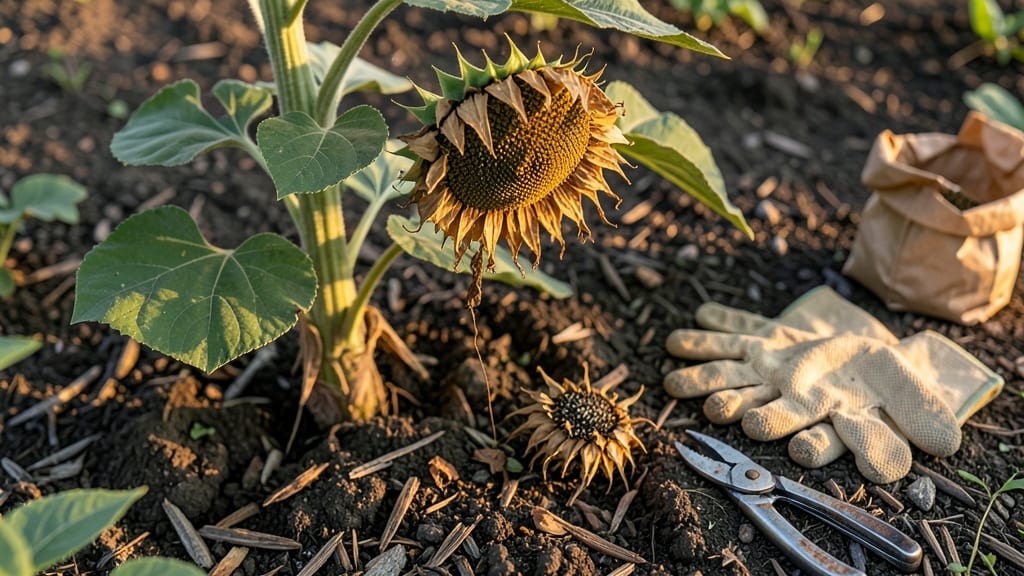
If you've ever wondered when do sunflowers produce seeds, you're not alone—many gardeners miss the perfect harvest window, ending up with seeds that are either too green or already scattered on the ground.
These towering beauties 🌻 follow a precise timeline from bloom to seed maturity, and knowing the stages can mean the difference between a bountiful harvest and disappointment.
The journey begins about 60-90 days after planting, depending on your sunflower variety and growing conditions. Once those vibrant petals open wide, the real magic happens inside the seed head, where pollen transforms into the seeds we love.
But here's the catch: timing isn't just about days—it's also about watching for specific visual cues that tell you when those seeds are finally ready to pick.
I've learned the hard way that harvesting too early means bitter, underdeveloped seeds, while waiting too long risks losing them to birds or weather. The key is understanding the subtle shifts in color, texture, and even the sound of the seed head.
Let me walk you through exactly what to look for so you never miss another harvest season.
From the moment those bright yellow blooms appear to the perfect moment to harvest, we'll cover everything you need to know. Whether you're growing sunflowers for bird feed, snacking, or just the joy of watching them thrive, this guide will help you time your harvest like a pro—no guesswork required.
Sunflower seed production timeline: from bloom to harvest readiness
Sunflower seed production follows a predictable 60-90 day cycle from bloom to harvest-ready seeds, but the exact timing depends on your climate and sunflower variety.
Most garden varieties like 'Mammoth' or 'Autumn Beauty' take about 70-85 days to produce mature seeds, while dwarf varieties like 'Teddy Bear' may mature in as few as 55-65 days.
Understanding this timeline helps you avoid missing the optimal harvest window when seeds are plump, dry, and ready to store.
The process begins when your sunflower reaches its full bloom stage, where the flower opens wide and begins producing pollen. This is when you’ll notice the bright yellow petals fully unfurled and the central disc turning from green to brown.
The timeline from bloom to seed maturity varies slightly based on temperature—warmer climates speed up the process, while cooler regions may extend it by 10-20 days. For example, sunflowers planted in USDA Zone 9 may produce seeds 2-3 weeks earlier than those in Zone 5.
| Stage | Key Characteristics | Days After Bloom | Climate Impact |
|---|---|---|---|
| Flower Opening | Petals fully unfurl; disc turns brown | Day 0 | Warmer temps = faster bloom |
| Pollen Drop | Disc releases pollen; petals wilt | Days 3-7 | Humidity slows pollen release |
| Seed Formation | Disc turns yellow-brown; seeds form | Days 20-30 | Drought stress halts growth |
| Maturation | Back of head turns yellow; seeds darken | Days 45-60 | Cooler nights slow ripening |
| Harvest Ready | Petals gone; seeds rattle; head dry | Days 60-90 | Frost speeds drying process |
After the flower opens fully, it enters the pollen drop phase within 3-7 days. During this stage, the sunflower’s disc releases pollen, which fertilizes the seed buds forming at the center.
This is a critical period where humidity levels play a role—high humidity can slow pollen release, potentially delaying seed formation. If you notice the petals wilting quickly but the disc remains green, it may indicate poor fertilization due to environmental factors like rain or wind disrupting pollen transfer.
Once fertilization occurs, the sunflower shifts to seed formation, typically between days 20-30 after bloom. The disc begins turning from green to a yellow-brown hue, and you’ll start seeing small seeds developing.
This stage is highly sensitive to water stress—too little water can stunt seed growth, while overwatering may lead to mold or rot. In my garden, I’ve found that deep watering every 5-7 days during this phase yields the healthiest seeds.
Pay close attention to the back of the seed head, which should start turning yellow as the seeds mature.
By days 45-60, your sunflower should be in its maturation phase, where the seeds bulk up and darken to a brownish-black color. The back of the head will turn a distinct yellow, signaling that the seeds are nearly ready for harvest.
This is also when the outer petals fall off, leaving the seed head exposed. In cooler climates, this phase may take longer, especially if temperatures drop below 60°F (15°C). If frost threatens before seeds mature, consider harvesting early and drying them indoors to preserve viability.
The final stage, harvest readiness, occurs between days 60-90 after bloom, depending on the variety and growing conditions. At this point, the seed head should be completely dry and papery, and the seeds should rattle when shaken.
If you press a seed between your fingers, it should feel
How to tell when sunflower seeds are fully ripe and ready to harvest
Knowing exactly when sunflowers produce seeds ready for harvest can be tricky, but the right visual and tactile cues make all the difference. The most reliable sign? A yellow-brown back on the seed head combined with dry, papery texture.
This transformation happens about 8-12 weeks after planting, but don't rely solely on time—each plant matures slightly differently based on variety and growing conditions.
First, watch for the flower petals to completely fall off—this signals the seed head is entering its final maturation stage. The head itself will shift from green to a dull brown color, and you might even notice a slightly wrinkled appearance.
These changes indicate the seeds inside are nearing peak ripeness, but there's one more critical test to confirm readiness.
🌻 PROS-CONS BOX: Harvesting Sunflower Seeds
- Seeds are plump and nutrient-rich
- Lower risk of bird predation
- Easier to dry and store
- Seeds may still be slightly damp
- Not fully hardened for long storage
- Seeds fully harden for storage
- Maximum flavor development
- Higher risk of seed loss to birds
- Seeds may scatter in wind
- Head becomes brittle and cracks
My go-to method for testing seed readiness is the "back-of-head test". Simply tap the seed head gently with your knuckles—if you hear a hollow, rattling sound, the seeds inside are fully developed and ready.
This test works because mature seeds create air pockets within the head, producing that distinctive noise. Pair this with dry, brown seed color, and you've got the perfect combination for harvest.
Don't forget to consider whether you're harvesting for seeds or greens—this changes the ideal timing. For edible seed heads, wait until the back turns completely brown, while for young sunflower greens, harvest when the head is still small and tight, before it opens.
The key difference lies in the seed head's moisture level and color transition, which directly impacts both flavor and storage potential.
One common mistake I see is harvesting based solely on head size. A large head doesn't always mean ripe seeds—some varieties produce big heads that stay green longer. Instead, focus on the color shift from green to brown and the dryness of the seed head.
If you're unsure, harvest a few seeds to test—if they're dark and plump, you're ready to go. If they're still light-colored or soft, wait another week and check again.
Once you've confirmed ripeness, harvest on a dry, sunny day to prevent moisture from causing mold during storage. Cut the seed head with about 6 inches of stem attached, then hang it upside down in a well-ventilated, dry location for 1-2 weeks.
This final drying step ensures your seeds will store properly for months, ready for planting or snacking whenever you're ready.