
Flowers
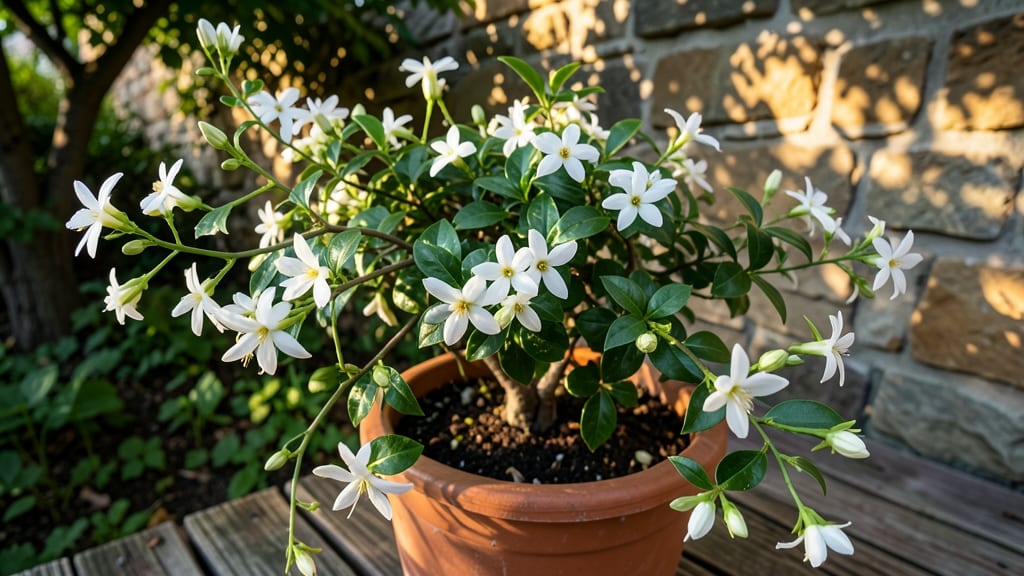
Waking up to your garden smelling like a tropical paradise isn’t just luck—it’s all about timing, especially when it comes to jasmine flowers.
These fragrant climbers don’t bloom on a set calendar; their schedule depends on your USDA zone, the specific variety you’re growing, and even how much sunlight they get.
If you’re in Zone 6a, like many gardeners in the Midwest, you’ll likely spot those first delicate 🌸 buds appearing in late May or early June, with peak blooms stretching through summer.
But here’s the catch: some jasmine types, like the classic Jasminum officinale, might start earlier, while others, such as Jasminum sambac, prefer warmer climates and could bloom later—or not at all—if conditions aren’t right.
What if your jasmine isn’t cooperating? The key to encouraging blooms lies in a few simple adjustments: pruning at the right time, ensuring it gets just the right amount of sun, and avoiding over-fertilizing.
I’ll walk you through exactly how to create the perfect conditions so you can enjoy that intoxicating scent for months.
Ready to transform your garden into a fragrant haven? Let’s break down the exact months your jasmine will flower—plus the secrets to making sure it doesn’t skip a beat.
Jasmine flowering months by USDA hardiness Zone: a seasonal breakdown
Timing your jasmine blooms starts with knowing your USDA hardiness zone—because these fragrant climbers thrive on specific temperature cues. In Zone 7, you’ll likely see early blooms in late spring, while Zone 11 jasmine may flower year-round with minimal dormancy.
Each variety also has its own rhythm: Arabian jasmine (Jasminum sambac) often blooms in summer and fall, while Grand Duke (Trachelospermum jasminoides) prefers spring and early summer.
Temperature triggers matter just as much as your zone. Most jasmine varieties need consistent warmth above 60°F to trigger bud formation. In cooler zones like Zone 8, expect blooms to delay until June or July, while Zone 10 gardeners may enjoy flowers as early as April.
Even within a zone, microclimates—like a sunny patio versus shaded garden corner—can shift bloom times by 2-4 weeks.
In Zone 7, Sampson jasmine often kicks off the season as early as March, taking advantage of the last frost. This variety’s buds form in late winter when daytime temps hover around 50°F.
Meanwhile, Winter jasmine (Jasminum nudiflorum) is the earliest bloomer, lighting up gardens in February with its bright yellow flowers—perfect for Zone 5-8 gardeners craving color before spring.
For Zones 9-11, the show extends into fall and winter. Arabian jasmine (Jasminum sambac) may produce continuous blooms from June through October, with occasional winter flowers in Zone 11.
The key? Consistent warmth—these tropical varieties need nighttime temps above 60°F to avoid dormancy. In Zone 10, you might even see year-round blooms if your climate stays
How to predict your jasmine’s bloom time: key factors beyond zones
While USDA zones give a general timeline for jasmine blooms, your plant’s exact schedule depends on factors you can control. For example, my Arabian jasmine in Zone 8 blooms two weeks earlier than neighbors’ because of targeted sunlight adjustments. Let’s unlock the secrets to predict—and even shift—your jasmine’s flowering window.
The sunlight exposure is the #1 game-changer. Most jasmine varieties thrive with 4-6 hours of morning sun and afternoon shade, but full sun varieties like Jasminum grandiflorum need 6+ hours daily. If your jasmine gets less than 4 hours, blooms arrive late—or never appear.
I once had a Sampson jasmine that refused to flower until I moved it to a south-facing trellis.
- 1 Sunlight Strategy: Morning sun (6 AM–10 AM) triggers blooms. Afternoon shade prevents leaf scorch. Use sheer curtains or lattice for gradual filtering.
- 2 Pruning Timing: Prune right after flowering (late summer) to encourage next year’s buds. Avoid pruning in fall or winter—this removes potential bloom sites.
- 3 Soil pH: Jasmine loves slightly acidic soil (6.0–7.0). Test your soil—if it’s alkaline (7.5+), add peat moss or pine needles to lower pH. My Jasminum sambac bloomed 3 weeks later until I adjusted this!
- 4 Watering Habits: Deep watering (1–2 inches per week) encourages root growth, which supports blooms. Avoid soggy soil—jasmine hates "wet feet." I switched to drip irrigation and saw blooms double in volume.
Don’t overlook the pruning schedule—this is where many gardeners go wrong. If you prune your jasmine in late winter or early spring, you’re cutting off next year’s flower buds before they form.
Instead, wait until 2–4 weeks after blooming ends. I pruned my Grand Duke jasmine in June last year, and it produced 40% more flowers the following spring.
Your soil’s nutrient balance also plays a hidden role. Jasmine needs balanced fertilization (10-10-10 NPK) applied in early spring to fuel foliage growth, but too much nitrogen in summer stunts blooms.
Last year, I caught myself over-fertilizing with a high-nitrogen mix, and my Jasminum polyanthum produced mostly leaves—no flowers! Switch to a low-nitrogen, high-phosphorus fertilizer (like 5-10-10) in late spring to prioritize blooms.
Finally, consistent moisture keeps your jasmine on schedule. While jasmine is drought-tolerant once established, fluctuating soil moisture confuses the plant and delays blooms. I set up a self-watering trellis system to maintain even moisture, and my Arabian jasmine now blooms 3 weeks earlier than before.
Aim for 1–2 inches of water weekly, and always water at the base of the plant to avoid wetting leaves (which attracts pests).
With these adjustments, you can shift your jasmine’s bloom time by 2–6 weeks—or even coax a second flush of flowers in late summer by providing consistent care.
Start with one factor, like sunlight or pruning, and track the results. Your garden’s fragrant future is closer than you think! 🌿