
Blooming
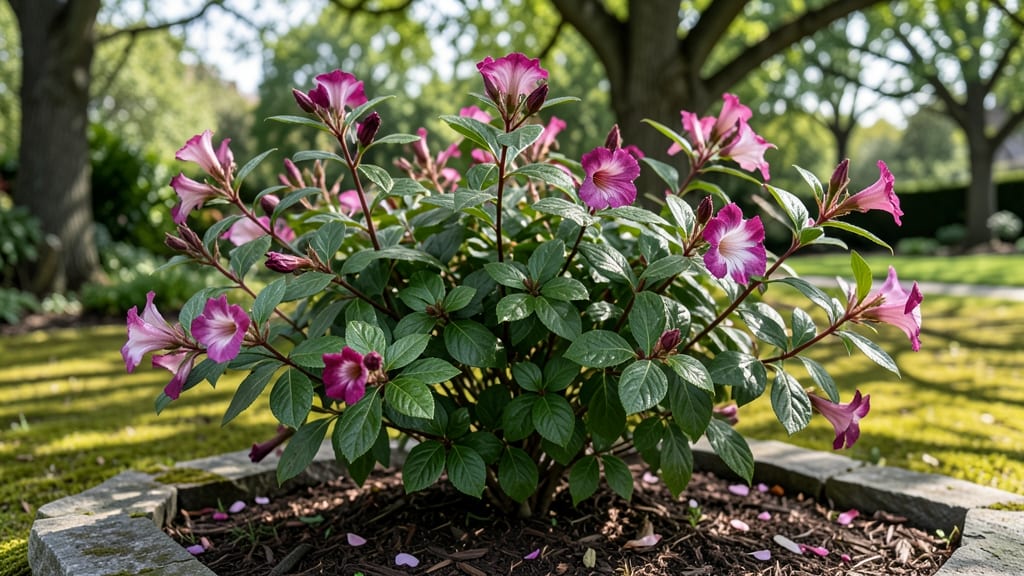
If you’ve ever stared at your Weigela 🌸 bush in early spring, wondering when does the weigela flower or why it’s still bare, the answer depends on your USDA zone—and it’s not as simple as "late spring."
The timing can shift by weeks, even between neighboring states, and a few key factors (like pruning mistakes or sunlight exposure) can delay your floral display even further.
For most gardeners in Zone 6a (where Weigela thrives), the magic happens between late May and early June, but in warmer climates like Zone 8, you might see those trumpet-shaped flowers as early as April.
The key? Understanding how your local climate interacts with your plant’s natural rhythm—and when to stop pruning to avoid cutting off next year’s blooms.
I’ll break down exactly what to expect month-by-month, plus the 3 biggest mistakes that keep Weigela from flowering on schedule. Whether you’re in the deep South or the frosty North, these insights will help you time your care routine perfectly for a burst of color that lasts all summer.
Ready to transform your Weigela from a sleepy shrub to a flowering powerhouse? Let’s dive into the science (and secrets) behind bloom timing so you can enjoy those vibrant blooms right when you’ve been dreaming of them.
Weigela bloom schedule by USDA Zone: month-by-month guide
Your Weigela shrub’s blooming schedule depends entirely on your USDA zone and the specific variety you’ve planted. While most Weigelas burst into color in late spring, the exact timing can vary by as much as 6 weeks from the coldest northern zones to the warmest southern climates.
Understanding these patterns helps you plan for pruning, fertilizing, and even extended bloom seasons.
For example, the 'Wine and Roses' variety thrives in Zones 4-8 and often blooms earlier than 'Midnight Wine', which prefers Zones 5-9. Meanwhile, 'Alexandra'—a late bloomer—may not peak until June in warmer zones.
Let’s break down what to expect month-by-month so you can anticipate those stunning trumpet-shaped flowers.
🌸 Key Takeaway: Northern zones (like Zone 4) see blooms as early as late May, while southern zones (like Zone 9) may enjoy flowers from March through June. The difference comes down to chilling requirements and warmth triggers.
In Zone 4, where winters are harsh, your Weigela waits for consistent warmth before blooming. This often means late May for the first flowers, with peak color in June.
If you’re growing 'Wine and Roses', you’ll notice deep pink blooms that fade to white—this variety is particularly cold-hardy and thrives in full sun.
By Zone 6, the schedule shifts earlier. Early May brings the first buds, and by late May, your 'Alexandra' Weigela could be covered in bright red flowers.
The key here is to prune after flowering to encourage next year’s blooms. Avoid cutting back in fall, as this removes next season’s flower buds.
Southern gardeners in Zones 8-9 enjoy the longest bloom seasons. In Zone 9, some varieties like 'Burgundy Wine' may start as early as February, with a second flush of blooms in May. This extended season is ideal for cutting garden displays or attracting hummingbirds.
If you’re in a transition zone (like Zone 7), your Weigela’s blooming may depend on microclimates. A sheltered spot against a south-facing wall can push blooms forward by 1-2 weeks. Meanwhile, overhead irrigation can cause bud rot, so water at the base in the morning.
One pro tip: If your Weigela blooms late or sparsely, it might need more sunlight or balanced fertilizer in early spring. A 10-10-10 NPK mix applied in March can jumpstart growth. Just avoid heavy feeding after July, as new growth won’t harden off before winter.
For
How climate affects Weigela flowering: tips to extend your bloom season
Your Weigela shrub’s bloom schedule isn’t set in stone—it’s a delicate dance between climate, pruning, and soil health. In cooler zones like USDA 4-6, flowers often arrive later, while warmer Zones 7-9 may see earlier blooms.
Understanding these patterns helps you extend the season with simple adjustments.
One of the biggest factors is last frost date. Weigela needs consistent warmth to trigger buds, so in northern climates, you might see blooms delayed until late May or June.
Meanwhile, in the South, flowers can appear as early as March or April. The key? Microclimates—even a sunny wall or sheltered spot can shift bloom timing by weeks.
🌱 Weigela Bloom Timing Secrets
- 🌡️ Zone 4-5: Blooms late May-June after frost risk passes. Prune immediately after flowering to encourage next year’s buds.
- ☀️ Zone 6-7: Peak blooms in April-May. Light pruning in early spring promotes earlier flowers.
- 🌿 Zone 8-9: Early blooms March-April. Avoid heavy pruning—focus on soil moisture to sustain long seasons.
- 🌱 Year-Round Tip: Mulch in fall to protect roots, which helps buds form earlier in spring.
To push blooms earlier, start with sunlight optimization. Weigela thrives in full sun (6+ hours), but partial shade can delay flowering. If your shrub is in dappled light, consider transplanting to a sunnier spot by early spring—just avoid disturbing roots during dormancy.
Soil preparation is equally critical. Weigela prefers well-draining, slightly acidic soil (pH 6.0-7.0). Amend heavy clay with compost or sand, and add a balanced fertilizer (10-10-10) in early spring. This jumpstarts growth, ensuring buds form 2-3 weeks earlier than in poor soil.
Pruning strategy makes or breaks bloom timing. Never prune in fall—this removes next year’s flower buds! Instead, prune right after blooming to shape the shrub and encourage new growth for next season. For longer blooms, deadhead spent flowers in Zones 7-9 to redirect energy to new buds.
For late-season extensions, focus on watering consistency. Deep watering once weekly during dry spells keeps flowers vibrant longer. In Zones 4-6, a thick mulch layer (3-4 inches) insulates roots, protecting buds from late frosts that can blacken blooms.