
Flowers
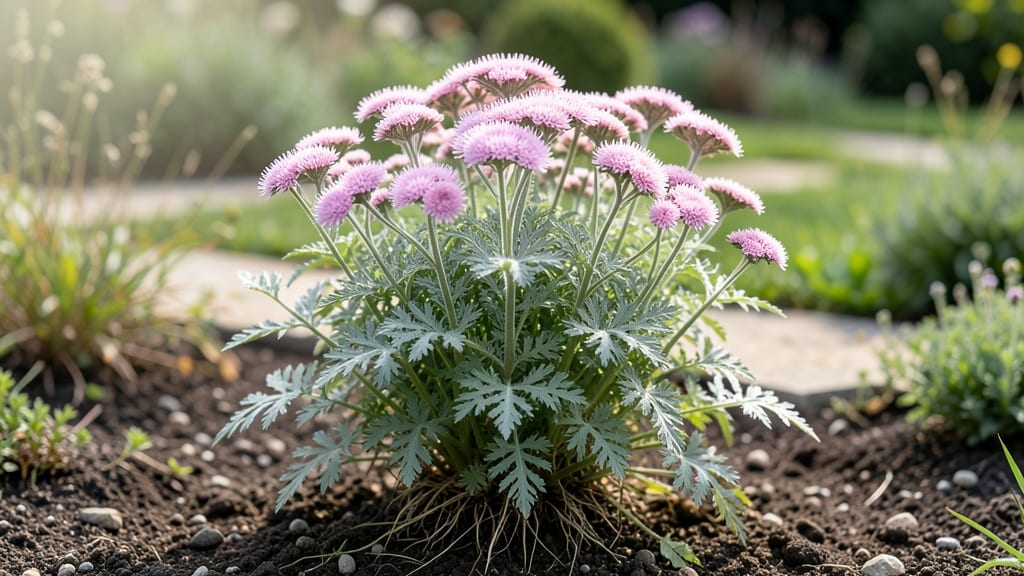
If you've ever wondered when does the yarrow flower transform your garden into a sea of delicate blooms, timing is the key to unlocking its full potential.
Yarrow typically starts flowering in mid-to-late spring, but the exact months depend on your USDA zone and local climate—making it a plant that rewards patience and preparation.
For gardeners in Zone 6a (like me!), the show usually begins in June, continuing through September with proper care. But here's the catch: cooler zones may see earlier blooms, while warmer climates can stretch the season into fall.
The secret? Understanding how daylight and temperature trigger those iconic flat-topped clusters.
What if your yarrow isn't cooperating? I'll show you how to coax longer, more abundant blooms through simple techniques like deadheading and strategic pruning—no green thumb required. Whether you're a seasoned gardener or just starting, these tips will help you maximize your yarrow's flowering potential.
Let's dive into the month-by-month guide that will have your garden bursting with color at exactly the right time—no guesswork needed.
Yarrow flowering timeline by USDA hardiness zones (month-by-month guide)
Yarrow (Achillea millefolium) is a hardy perennial that rewards gardeners with vibrant blooms, but its flowering timeline shifts dramatically depending on your USDA hardiness zone.
In cooler zones like Zone 3-5, yarrow often waits until late spring to burst into color, while warmer climates in Zone 8-10 may see early spring blooms or even winter reblooms. Understanding these patterns helps you plan for peak color displays and extend the season with proper care.
Yarrow’s flowering is primarily triggered by daylight hours and soil temperatures. Most varieties need at least 14 hours of daylight to initiate blooms, which typically occurs in late spring to early summer.
However, temperature thresholds (around 50-55°F) also play a role—cold snaps can delay flowering in marginal zones like Zone 6-7. Let’s break down the month-by-month expectations by zone.
📋 Key Factors Affecting Yarrow Blooms:
- Daylight hours (14+ hours triggers flowering)
- Soil temperatures (50-55°F minimum)
- Zone-specific frost dates (affects early/late bloomers)
- Variety selection (some rebloom, others flower once)
| USDA Zone | First Blooms | Peak Blooms | Late Blooms | Notes |
|---|---|---|---|---|
| 3-4 | Late May - June | June - July | August (if deadheaded) | Cold delays blooms; needs warmth |
| 5-6 | Early May - June | June - August | September (rebloom) | Reblooms with deadheading |
| 7-8 | April - May | May - July | August - September | Early blooms; heat-tolerant |
| 9-10 | March - April | April - June | July - October | Winter reblooms possible |
🌼 Yarrow Blooming Windows by Zone
In Zone 3-4, yarrow’s late start is due to cold soil temperatures and shorter daylight in early spring. Planting in south-facing beds or using black plastic mulch can warm the soil faster and encourage earlier blooms.
Meanwhile, Zone 9-10 gardeners often enjoy yarrow’s winter reblooms if plants aren’t cut back too aggressively in fall.
For Zone 5-6, where I garden, yarrow typically starts blooming in early May if winter was mild. However, a late frost can push back blooms until June.
The key to extending the season here is deadheading spent blooms—this signals the plant to produce new flowers, often resulting in a second flush in August or September. I’ve seen my 'Moonshine' variety rebloom well into October with proper care.
If you’re in Zone 7-8, you’ll notice yarrow’s earlier flowering window, often starting as early as April. These warmer zones also support longer bloom seasons, with some varieties like 'Cloth of Gold' flowering continuously from May through September.
The trade-off? Heat waves can cause bolting or seed production if plants aren’t kept well-watered during dry spells.
For Zone 9-10, yarrow’s adaptability shines. Some varieties bloom year-round in mild winters, especially in coastal climates. In my friend’s Zone 10 garden, yarrow flowers in March and again in November with minimal care.
The secret? Light pruning after each bloom cycle keeps the plant compact and encourages new growth.
Regardless of zone, yarrow’s first blooms are often triggered by 14+ hours of daylight. This is why northern zones see later blooms—shorter spring days delay the process.
To advance blooming time, I recommend: - Planting in full sun locations (6+ hours daily) - Using reflective mulches to increase light exposure - Avoiding heavy nitrogen fertilizers (they promote foliage over flowers)
Pro tip: Cut back yarrow by 1/3 in early spring to encourage bushier growth and earlier blooms. This works especially well in Zone 5-8, where I’ve seen 3-4 weeks earlier flowering after this simple pruning step. Just avoid cutting into old wood—yarrow’s woody stems won’t regrow.
Yarrow’s late-season blooms are a gardener’s reward for proper care. In my Zone 6 garden, deadheading spent blooms in July often triggers September-October reblooms, extending the display until frost.
The key is to remove only the faded flower heads, leaving the lower foliage intact to support new growth.
How to extend yarrow’s blooming season: pruning, deadheading, and light tips
Yarrow (Achillea millefolium) is a hardy perennial that rewards gardeners with bold, long-lasting blooms from early summer through fall—but only if you give it the right care. The key to prolonged flowering lies in timely pruning, strategic deadheading, and optimal sunlight exposure.
Unlike many perennials, yarrow can rebloom multiple times in a season if you follow these simple steps.
Most yarrow varieties bloom once in early summer, but with the right techniques, you can coax reblooms into late summer or even fall. The secret? Removing spent flowers and encouraging new growth by cutting back at the right time.
Annual yarrow varieties, like Achillea 'Moonshine', may require slightly different care, but the principles remain the same.
- 🌱 Step 1: Wait for First Blooms
Let yarrow flower naturally for 4-6 weeks after planting. This establishes strong roots and ensures the first flush of blooms is vibrant. - 📅 Step 2: Deadhead Spent Flowers
Snip off faded flower heads with clean pruners every 2-3 weeks during peak bloom (June-August). This redirects energy to new growth. - ✂️ Step 3: Prune for Rebloom
After the first major bloom cycle, cut back 1/3 of the plant height (about 3-6 inches) to encourage a second flush. Do this in late June or early July. - ☀️ Step 4: Ensure Full Sun
Yarrow thrives in 6+ hours of direct sunlight daily. If blooms fade early, relocate to a sunnier spot or thin nearby plants for better airflow. - 🌿 Step 5: Light Fall Pruning
In late September, trim back brown or leggy stems to 4-6 inches above ground. Avoid heavy cuts—this protects winter hardiness.
For annual yarrow varieties, deadheading is even more critical. These plants often bloom nonstop from spring to frost if you remove spent blooms weekly. Use sharp pruners to cut just above a leaf node, which encourages bushier growth and more flowers.
Light exposure plays a huge role in yarrow’s performance. While it tolerates partial shade, blooms will be sparser and shorter-lived. If your garden has limited sun, choose dwarf varieties like 'Cerise Queen', which handle 4-6 hours of sun better than taller types.
Pro tip: Mulch around your yarrow with 2-3 inches of organic mulch (like straw or shredded bark) to retain moisture and suppress weeds. This keeps the plant stress-free and focused on blooming instead of competing with intruders.
With these techniques, your yarrow can flower for 3-4 months instead of just a few weeks, giving you a continuous cascade of color from early summer to frost. Happy pruning! 🌼