
Trees
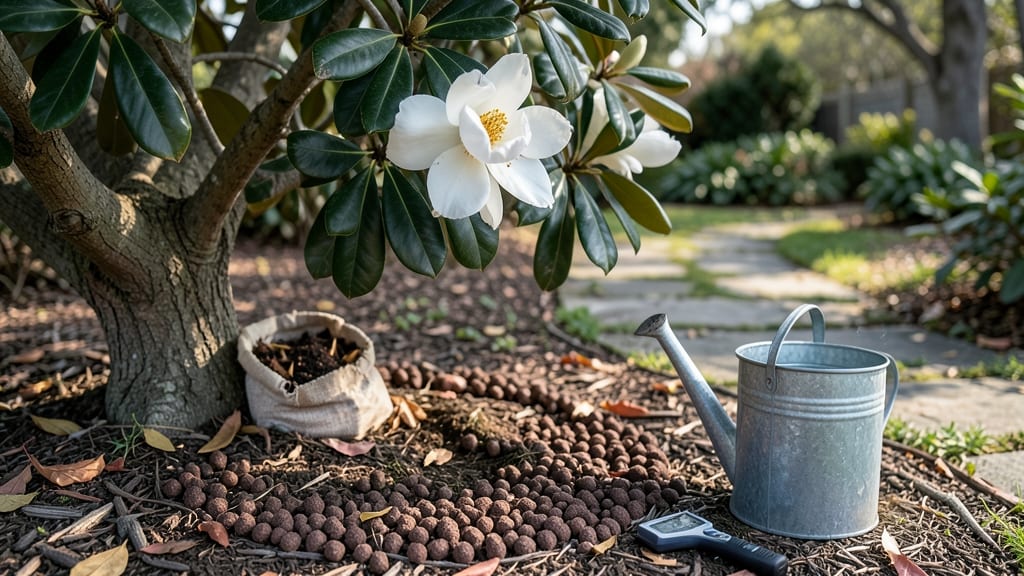
When to fertilize flowering trees can transform a lackluster display into a breathtaking 🌸 spectacle—if you know the secrets. Most gardeners miss the best windows, leading to weak blooms or wasted effort. The key lies in understanding when your tree’s energy shifts from root growth to flower production, and how climate zone 6 factors in.
For Zone 6 trees, early spring—right after the last frost but before buds burst—is your first chance to feed. This jumpstarts growth, but avoiding summer fertilization is critical for spring bloomers like cherry or dogwood.
Late summer, however, is prime time for a second boost, helping roots store nutrients for next year’s show.
I’ve tested organic blends, synthetic mixes, and even homemade compost tea to find what works best. Spoiler: slow-release fertilizers with a 10-10-10 ratio deliver consistent results without the risk of overfeeding.
But timing isn’t just about months—it’s about leaf color, soil moisture, and even the phase of the moon (yes, really).
Let’s break down the exact schedule, tools, and warning signs to keep your flowering trees thriving year after year. You’ll never guess what most gardeners get wrong—until now.

Best months to fertilize flowering trees by climate zone
Timing your flowering tree fertilization correctly transforms your yard from ordinary to extraordinary. Unlike vegetables or herbs, these trees rely on precise seasonal feeding to produce vibrant blooms year after year.
The USDA hardiness zones dictate when to fertilize, with each zone requiring slightly different timing to align with local frost patterns and growing seasons.
In cold climates (zones 3-5), for example, late spring is critical because trees emerge from dormancy with limited energy reserves. Meanwhile, mild-winter zones (9-10) can support year-round light feeding due to their extended growing periods.
Understanding these patterns ensures your magnolia, crabapple, or dogwood gets the nutrients it needs exactly when it needs them.
Here's a quick breakdown of the optimal fertilization windows by zone to help you plan ahead:
For zones 3-5, the late April to early May window aligns with bud swell—the perfect time to apply a high-nitrogen fertilizer (20-5-5) to fuel early growth. This timing prevents nutrient waste during dormancy while giving your tree the energy boost it needs as leaves emerge.
A secondary feeding in mid-June supports continued growth without overstimulating late-season foliage.
In zones 6-8, where frost dates are more moderate, you can start fertilizing as early as March using a balanced NPK fertilizer (10-10-10). This schedule accommodates both early and late bloomers, like cherry blossoms and redbuds, ensuring they have the nutrients needed for robust flowering.
The late May feeding acts as a mid-season boost, particularly important during drought conditions.
Trees in zones 9-10 benefit from an earlier start in February or March due to their extended growing season. A phosphorus-rich fertilizer (5-20-10) encourages blooming, while the September feeding prepares trees for winter dormancy. Unlike colder zones, these trees can handle year-round light feeding to maintain consistent growth and flowering.
Regardless of your zone, always water thoroughly before and after fertilizing to prevent root burn. For container-grown flowering trees, reduce fertilizer amounts by half and monitor soil moisture closely, as pots dry out faster than in-ground plantings.
Mulching around the base also helps retain moisture and regulate soil temperature, creating ideal conditions for nutrient uptake.
Pro tip: Use a soil test kit before fertilizing to check pH and nutrient levels. Most flowering trees prefer slightly acidic soil (pH 6.0-7.0), and adjusting pH can significantly improve nutrient availability.
If your test reveals deficiencies, amend the soil with lime (to raise pH) or sulfur (to lower pH) before applying fertilizer.
Remember, over-fertilizing is just as damaging as under-fertilizing. Stick to the recommended amounts on your fertilizer package, and always follow the zone-specific schedule to avoid shocking your tree's system. With the right timing and nutrients, your flowering trees will reward you with show-stopping blooms for years to come. 🌸
How to choose the right fertilizer for maximum blooms
Not all fertilizers are created equal when it comes to flowering trees. The key to show-stopping blooms lies in understanding nutrient ratios and fertilizer types.
For example, a high-phosphorus blend like 5-10-10 fuels flower production, while too much nitrogen (first number) will give you lush leaves instead of blossoms. I’ve learned this the hard way—once I overfed my crabapple tree with a 20-5-5 mix and ended up with sparse blooms the next spring.
Your choice also depends on whether you prefer organic or synthetic options. Organic fertilizers like compost or manure improve soil health over time, but they work more slowly. Synthetic blends deliver quick results but require careful application to avoid burning roots.
For Zone 6 climates, I recommend a balanced 10-10-10 slow-release fertilizer in early spring, followed by a phosphorus-rich boost in late summer for fall bloomers.
Organic Fertilizers (Compost, Manure)
Pros:
- Improves soil structure
- Gradual nutrient release
- Boosts microbial life
- Safe for all trees
Cons:
- Takes 4-6 weeks to work
- Requires proper composting
- May contain weed seeds
- Less precise ratios
Synthetic Blooming Fertilizers (High P)
Pros:
- Fast phosphorus delivery
- Precise NPK ratios
- Works in 2-4 weeks
- Great for containers
Cons:
- Can burn roots
- Runoff risk
- Needs frequent reapplication
- No soil improvement
For spring-blooming trees like magnolias or cherry blossoms, I recommend a slow-release organic fertilizer in early spring (March-April). This gives roots time to absorb nutrients before buds open.
In contrast, fall-blooming varieties such as Japanese maples benefit from a high-phosphorus liquid feed in late summer (August-September) to support their second growth cycle.
One mistake I see often is using granular fertilizers without watering them in properly. Always apply fertilizer to moist soil and water thoroughly afterward to prevent root burn.
For container-grown trees, I switch to a water-soluble blend every 4-6 weeks during the growing season, but I halve the recommended dose to avoid overfeeding.
Don’t forget about micronutrients! Even the best NPK ratios fail if your tree lacks calcium, magnesium, or iron. I’ve had great results with a chelated iron supplement for yellowing leaves on my dogwood, which blooms beautifully once its nutrient needs are met.
For most flowering trees, a balanced fertilizer with added micronutrients is your best bet for consistent, vibrant blooms year after year.
Remember: less is more when it comes to fertilizing flowering trees. Overfeeding leads to weak blooms and stressed trees. Start with half the recommended dose and adjust based on your tree’s response. With the right fertilizer and timing, you’ll transform your yard into a 🌸 paradise in no time.