
Flowers
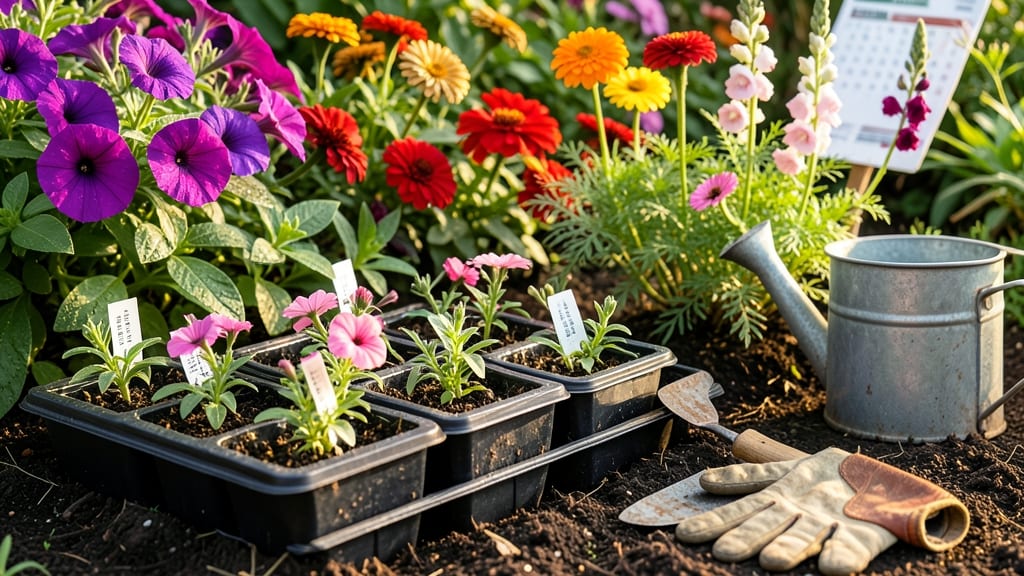
Planting flowers in Denver at the wrong time can turn your dream garden into a sad, frost-nipped mess—especially when the last frost sneaks in around mid-April and temperatures swing wildly between 30°F and 70°F in a single week.
The key to vibrant blooms lies in knowing exactly when to tuck those seeds and seedlings into the soil, whether you're dreaming of 🌸 coneflowers or delicate petunias.
Here’s the truth: Denver’s high-altitude climate (USDA Zone 5b-6a) demands precision. Plant too early, and a late frost will kill tender annuals; too late, and your perennials might struggle to establish roots before summer heat sets in.
But don’t worry—with the right timing, you can beat the odds and enjoy flowers from spring through fall.
I’ve spent years testing what works in Denver’s soil, from the chilly Highlands to the warmer South Platte Valley.
Whether you’re a first-time gardener or a seasoned pro, this guide will help you pick the perfect planting window for each flower type—so you can skip the guesswork and enjoy a garden that bursts with color, year after year.
Ready to transform your yard? Let’s dive into the exact dates, soil prep tricks, and high-altitude hacks that’ll make your flowers thrive—no matter what Denver’s unpredictable weather throws your way.
Denver’s last frost dates by region: critical timing for flower planting
Denver’s high-altitude climate creates microclimates that can shift last frost dates by weeks between neighborhoods. Understanding these variations is key to avoiding frost damage while maximizing bloom time for your annuals and perennials.
Whether you’re in the urban core or the foothills, timing matters—especially for heat-loving flowers like marigolds or cold-hardy pansies.
For Downtown Denver and South Denver, the average last frost date hovers around April 15, but urban heat islands can push it slightly later. Meanwhile, North Denver and the Highlands often see frost lingering until May 1 due to cooler air settling in valleys.
These differences mean your spring-planted petunias might thrive downtown but struggle in the foothills.
Here’s how these dates impact your planting strategy: Annual flowers like geraniums and zinnias need to wait until 2 weeks after the last frost, while perennials such as coneflowers can handle light frosts and often benefit from early planting in March.
Fall planting for hardy perennials should start 4-6 weeks before the first frost, typically by September 15.
For annual flowers, like cosmos or sunflowers, wait until 2 weeks after your region’s last frost date to plant seeds or transplants. This gives young plants time to establish roots before unpredictable late frosts.
In contrast, perennials such as bee balm or Russian sage can often handle light frosts and may even benefit from an early start in March.
Denver’s Chinook winds can create temporary warmth spikes, tricking plants into blooming too early—only to be nipped by late-season frosts. To mitigate this, use row covers or cold frames for delicate varieties like tulips or dahlias until the threat of frost has passed.
For fall planting, aim to get perennials in the ground by September 1 to allow roots to establish before winter.
If you’re in the Highlands or foothills
Best flower varieties for Denver’s short growing season and peak bloom strategies
Denver’s short growing season and cool nights demand flowers that thrive in USDA Zone 5b-6a while delivering bold color from spring to fall. The key? Choosing cold-hardy annuals and perennial workhorses that bloom early, rebound from late frosts, and extend their season with the right care.
My top picks balance resilience with show-stopping blooms, ensuring your garden stays vibrant even when summer feels fleeting.
For spring color, I swear by pansies and snapdragons—both tolerate light frosts and bloom within weeks of planting. By late summer, black-eyed Susans and coneflowers take over, their drought tolerance making them perfect for Denver’s dry spells.
But the secret to peak blooms isn’t just picking the right plants—it’s strategic timing and succession planting to keep flowers popping all season.
- 🌸 Pansies & Violas: Plant 4-6 weeks before last frost (early March) for spring blooms. Choose Ice Palace or Matrix series—they handle 30°F nights like champs. Deadhead spent blooms to trigger nonstop reblooming.
- 🌻 Snapdragons: Sow seeds indoors in February, transplant after April 15. Rocket and Tiger varieties thrive in cool weather and add height + texture to borders. Stake tall varieties to prevent wind flopping.
- 🌼 Coneflowers (Echinacea): Plant perennial roots in spring (April) or fall (September) for 4-6 year blooms. Magnus and White Swan attract pollinators and drought-proof your garden. Divide clumps every 3-4 years to revive vigor.
- 🌺 Black-Eyed Susans (Rudbeckia): Direct-sow seeds after last frost (May) or plant bare-root in fall. Goldsturm is the gold standard—tolerates poor soil and late summer heat. Cut back in early spring to prevent mildew.
- 🌿 Succession Planting Tip: For continuous color, stagger plantings of marigolds (every 3 weeks from May-July) and cosmos (self-seed reliably). Pair heat-lovers (like zinnia) with cool-season plants (like calendula) for seamless transitions.
- 💧 Heat-Tolerant Hacks: Mulch with straw to retain moisture, and water deeply at soil level (not overhead) to avoid fungal issues. Choose drought-tolerant varieties like lamb’s ear or sedum for low-maintenance fillers.
Don’t overlook fall planting—it’s your secret weapon for next year’s garden. Perennials like asters and Russian sage thrive when planted in September, giving their roots time to establish before winter. I’ve even had tulips bloom earlier by planting bulbs in late October instead of fall’s usual window.
The cooler soils reduce rot risks, and Chinook winds can actually stress plants into dormancy faster, setting them up for vigorous spring growth.
For container gardens, opt for compact varieties like petunias (Wave series) or geraniums (Rozanne). These handle Denver’s temperature swings and urban heat islands better than sprawling types. Just ensure pots have drainage holes—waterlogged roots are a surefire way to kill even the hardiest blooms.
Pro tip: Move containers to shadier spots in July-August to prevent wilting.
Finally, deadheading isn’t just for looks—it’s a bloom-extending hack. Remove spent flowers from annuals like zinnias to redirect energy into new buds, and prune perennials like bee balm back by one-third after their first flush. My black-eyed Susans now bloom from July to October thanks to this trick.
Pair it with a balanced fertilizer (like 10-10-10) in early June, and you’ll get second (or even third!) waves of color.
With these Denver-proven varieties and timing tricks, your garden will outshine the neighbors’—even on the shortest days. Start with 3-5 varieties, master their care, then expand. Before you know it, you’ll have a year-round blooming oasis that thrives in Denver’s unique climate. 🌿