
Flowers
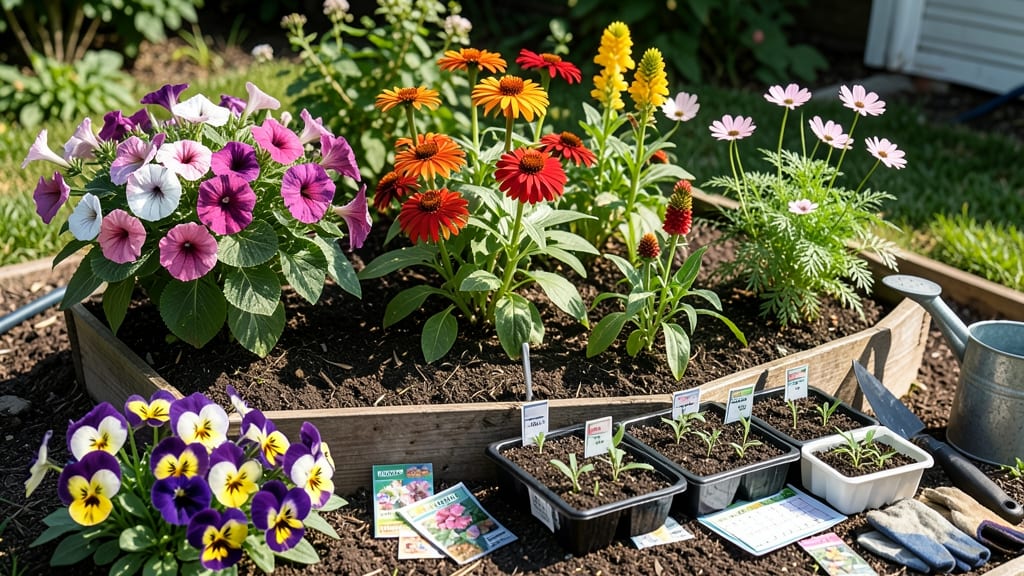
Planting flowers in Georgia isn't just about grabbing seeds and sticking them in the dirt—timing matters more than you think. With USDA Zones 7a-8b and unpredictable spring weather, getting the window right means the difference between vibrant blooms and wasted effort.
The key? Understanding chill-hour needs and regional frost dates to avoid common mistakes that leave gardeners scratching their heads.
Let me cut to the chase: the best time to plant most flowers in Georgia is late winter to early spring (February-March) and again in late summer to early fall (August-September). This aligns with your state's frost-free days and gives plants the head start they need.
But here's the catch—some varieties thrive with minimal chill hours, while others need that cool snap to bloom properly. I'll break down exactly what your favorite flowers need to succeed.
If you've ever planted too early and watched frost nip your buds or waited too long and missed peak blooming season, you know how frustrating it can be. The good news?
With the right timing, you can enjoy spring blooms from March to May and fall flowers from September to November—no guesswork required. Stick with me, and I'll show you how to match your flowers to Georgia's climate zones for foolproof results.
We'll tackle everything from annuals that love heat to perennials that need chill hours, plus pro tips for soil prep and mulching to keep your flowers thriving. Ready to transform your garden into a year-round paradise? Let's get started.
Georgia flower planting timeline by season: chill-hour requirements explained
Georgia’s USDA Zones 7a-8b create unique challenges for gardeners—warm winters and hot summers mean chill-hour needs make or break your flower success. Unlike northern climates, many cool-season flowers won’t bloom without enough cold exposure, while warm-season varieties struggle in summer heat if planted too early.
Understanding these seasonal windows ensures your garden thrives year-round.
Most Georgia gardeners focus on two key planting periods: late winter/early spring (February-March) for cool-season blooms and late summer/early fall (August-September) for warm-season varieties.
The average last frost date in Georgia ranges from mid-March in north Georgia to early February in coastal areas, while first frost typically arrives in mid-November. These dates shift your strategy between chill-dependent and heat-tolerant flowers.
Chill hours (the cumulative hours below 45°F) determine which flowers will thrive. For example, pansies need 300-500 chill hours, while zinnias (warm-season) require zero chill hours. Georgia’s Zone 7-8 climates often don’t provide enough chill for northern varieties, forcing gardeners to choose heat-tolerant cultivars or extend growing seasons with shade cloth.
| Season | Planting Window | Chill-Hour Needs | Best Flowers | Frost Risk |
|---|---|---|---|---|
| Fall | Late August - Early October | 0-300 hours (warm-season) | Marigolds, Zinnias, Petunias | Low (after first frost) |
| Winter | December - Early February | 300-600 hours (cool-season) | Pansies, Snapdragons, Sweet Alyssum | High (frost likely) |
| Spring | Mid-March - Early April | 0-500 hours (mixed) | Calendulas, Cosmos, Dahlias | Moderate (early frost risk) |
| Late Spring | April - May | 0 hours (heat-lovers) | Lantana, Portulaca, Sunflowers | None |
Spring planting in Georgia requires careful timing—cool-season flowers like pansies and snapdragons can be sown in late winter (February) for early blooms, but they’ll need protection from late frosts.
Warm-season favorites like zinnias and marigolds should wait until after the last frost date (typically mid-March in north Georgia or February in coastal areas). Use row covers or cold frames to extend your growing season for chill-sensitive varieties.
Fall is your second best planting window in Georgia, especially for warm-season annuals that need to establish roots before summer heat. Plant petunias and geraniums in late summer (August-September) to enjoy blooms through October and November.
These plants benefit from Georgia’s mild fall temperatures and lower humidity, reducing pest pressure. Just be mindful of early frost warnings—coastal areas may need lightweight frost cloth by late October.
For perennials, fall planting (September-October) gives roots time to establish before winter dormancy. Daylilies and black-eyed Susans thrive with this approach, as they need moderate chill hours (300-500) to bloom reliably. Bulbs like tulips (which need 500-700 chill hourswon’t bloom in Georgia unless planted in high-elevation areas (Zone 6) or given artificial chill treatment.
Georgia’s microclimates add complexity—mountain regions (Zone 7a) get more chill hours than coastal areas (Zone 8b). For example, Blairsville (Zone 7a) can support northern varieties like peonies, while Savannah (Zone 8b) may only succeed with heat-tolerant varieties.
Always check your local frost dates and adjust planting windows by 1-2 weeks based on your specific location.
Pro tip: Use shade cloth (30-50%) to protect tender annuals during Georgia’s unpredictable spring heat waves. This extends the usable growing season by 2-4 weeks for flowers like impatiens and begonias, which struggle in direct afternoon sun.
Pair this with drip irrigation to maintain consistent moisture during Georgia’s dry spring winds.
Remember, soil temperature matters just as much as air temperature. Wait until soil reaches 60°F before planting warm-season flowers
Top 10 flowers to plant in Georgia: best varieties by chill-hour needs
Georgia’s humid subtropical climate means we can grow stunning flowers year-round, but timing is everything. Chill-hour requirements determine which varieties thrive in our USDA Zones 7a-8b. Cool-season flowers need 300-1,000 chill hours to bloom reliably, while warm-season favorites skip winter dormancy entirely.
Let’s dive into the top 10 Georgia-friendly flowers that deliver color and resilience in our heat and humidity.
For cool-season blooms (plant August-October), prioritize varieties that tolerate Georgia’s mild winters. Warm-season flowers (plant March-April) thrive in our long, hot summers. I’ve included maintenance tips to keep your garden flourishing—because nobody wants wilting petunias in July! Let’s start with the chill-hour champions that make Georgia gardens pop.
Pansies are my go-to cool-season flower—they handle Georgia’s mild winters with ease and bloom nonstop from fall to spring. Plant August-September for 300-500 chill hours, and you’ll get vibrant purple, yellow, and blue blooms that even light frost can’t stop. Pair them with sweet alyssum for a low-maintenance ground cover that attracts pollinators. Just remember: mulch heavily in winter to protect roots from freeze-thaw cycles.
Zinnias are the ultimate warm-season powerhouse—they skip chill hours entirely and thrive in Georgia’s intense summer heat. Plant March-April after your last frost, and you’ll enjoy bright red, pink, and orange blooms until first frost. Deadhead spent blooms to encourage continuous flowering, and watch for Japanese beetles—they love zinnias too! For extra heat tolerance, choose Benary’s Giant or Profusion varieties.
Snapdragons add vertical interest to Georgia gardens with their 500-800 chill-hour needs. Plant September-October for fall blooms, or start indoor seeds in March for spring color. Their ruffled petals come in every color except true blue, and they’re deer-resistant—a win for suburban gardens. Pinch back tips of young plants to encourage bushier growth, and stake taller varieties like Rockety Rocket to prevent flopping in summer humidity.
Petunias are the queens of Georgia’s summer containers, offering nonstop blooms from May to frost. These warm-season stars need no chill hours and handle partial shade better than most. Plant after last frost (usually mid-March in north GA) and fertilize weekly with a bloom booster for maximum color. Watch for bud blast (a fungal issue) by watering at the base and avoiding overhead sprinklers.
For perennial impact, black-eyed Susans and coneflowers are Georgia’s toughest natives. They require minimal chill hours (often 300-500) and thrive in poor soil. Plant fall or early spring for year-round interest, and let them self-seed—they’ll pop up everywhere with minimal effort.
Pair them with Russian sage for a drought-tolerant pollinator magnet that flourishes in full sun.
Don’t overlook calendula, the edible gold of Georgia gardens! These 500-800 chill-hour beauties self-seed aggressively and repel pests naturally. Plant August-September for fall blooms, or sow directly in spring.