
Flowers
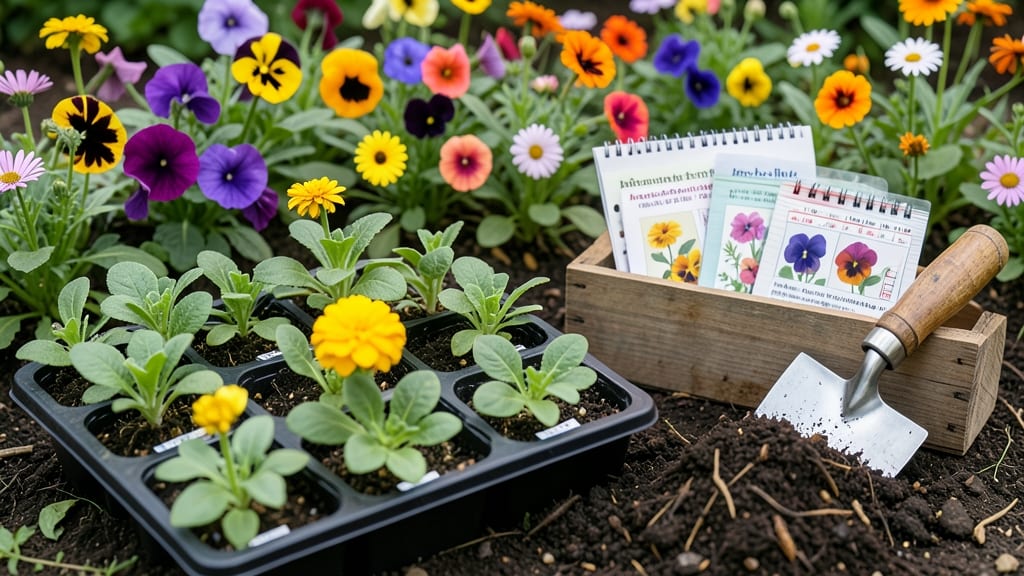
Timing your flower planting in Pennsylvania can make or break your garden’s success—get it wrong, and frost or heat will steal your blooms before they even open. With USDA zones 5a-7a across the state, the right window matters more than you might think.
From the last frost date (around April 15) to fall’s first chill, knowing when to plant is the key to vibrant 🌸 flowers all season. Whether you’re sowing annuals or perennials, Pennsylvania’s microclimates—like Pittsburgh’s cooler air or Philadelphia’s urban heat—mean one-size-fits-all advice won’t cut it.
I’ll break down the best planting times for your county, so you can avoid common mistakes and enjoy blooms from spring to fall. Ready to transform your garden? Let’s dig in.
You’ll learn how to use frost-date calculators, pick the right flowers for your zone, and even adjust for late springs or early frosts. No more guessing—just a clear, step-by-step plan tailored to PA’s climate.
Pennsylvania planting zones: when to plant flowers by county heat zones
Pennsylvania's USDA hardiness zones 5a-7a create a diverse planting landscape, where last frost dates can vary by 3-4 weeks from the southern border to the northwestern mountains. Understanding your county's heat zone ensures your annuals, perennials, and bulbs thrive—not just survive.
For example, Philadelphia (Zone 7b) can plant marigolds in March, while Erie (Zone 5b) waits until mid-April to avoid frost damage.
Timing matters most for cool-season flowers like pansies and warm-season bloomers such as zinnias. Planting perennials after the last frost (typically April 15) gives roots time to establish before summer heat, while annuals sown too early risk bolting or rotting.
Use local frost-date calculators to adjust for microclimates—urban areas like Pittsburgh may warm faster than rural Lancaster County.
Key takeaway: Southern PA gardeners (Zones 6-7) can start earlier in March for frost-hardy flowers, while northern regions (Zones 4-5) wait until late April or May. Always check 7-day forecasts before planting—unpredictable late frosts can devastate tender seedlings.
Here’s a county-by-zone breakdown of ideal planting windows for your garden:
| County/Zone | Last Frost Date | Annuals (Start Indoors) | Annuals (Direct Sow) | Perennials/Bulbs |
|---|---|---|---|---|
| Philadelphia (7b) | March 20 | February 15 | March 15 | April 1 |
| Pittsburgh (6b) | April 5 | March 1 | April 1 | April 15 |
| Erie (5b) | May 10 | March 15 | May 1 | May 15 |
| Lancaster (6a) | April 10 | February 28 | April 5 | April 20 |
| Scranton (5a) | May 15 | March 10 | May 10 | May 20 |
For early spring varieties like pansies and snapdragons, start seeds indoors 6-8 weeks before your last frost date. These cool-loving annuals can handle light frosts and often bloom until fall’s first chill.
In contrast, warm-season flowers such as petunias and geraniums need soil temps above 60°F—wait until after May 1 in most zones.
Bulbs like tulips and daffodils should be planted in fall (September-October) for spring blooms, but late-blooming perennials such as black-eyed Susans can be planted in early spring. Always amend soil with compost before planting to improve drainage—a critical factor for frost-sensitive roots.
Pro tip: Use row covers or cold frames to extend your planting season by 2-3
Best flowers to plant in Pennsylvania by season: cool vs. warm season varieties
Pennsylvania’s variable climate demands careful planning when selecting flowers. Cool-season bloomers like pansies and tulips thrive in spring and fall, while warm-season varieties such as zinnias and marigolds need summer’s heat to flourish. Getting the timing right ensures vibrant blooms all season long—whether you’re planting annuals or perennials.
In USDA zones 5-7, Pennsylvania gardeners must work with late frosts in spring and early frosts in fall. This means cool-season flowers planted too late may bolt, while warm-season flowers planted too early risk stunted growth. Understanding these seasonal transitions is key to a thriving garden.
⏰ When to Plant Flowers in Pennsylvania: Pros & Cons
🌱 Spring Planting (March - May)
- ✅ Pros: Cool temps suit pansies, tulips, and snapdragons
- ✅ Pros: Avoids summer pests like aphids
- ⚠️ Cons: Late frosts may damage tender seedlings
☀️ Summer Planting (June - July)
- ✅ Pros: Ideal for zinnias, marigolds, and sunflowers
- ✅ Pros: Long daylight hours boost growth
- ⚠️ Cons: Heat stress may require extra watering
🍂 Fall Planting (September - October)
- ✅ Pros: Chrysanthemums and asters thrive in cool weather
- ✅ Pros: Fewer pests and diseases
- ⚠️ Cons: Early frost may cut season short
For cool-season flowers, start seeds indoors 6-8 weeks before your average last frost date (typically mid-April). Pansies, sweet alyssum, and violas are excellent choices—they tolerate light frosts and bloom early. In southern PA (zones 6-7), you can even plant fall pansies in late summer for winter color.
Warm-season flowers like zinnias, marigolds, and cosmos should wait until after the last frost, usually late May. These heat-lovers need consistent soil warmth to germinate. If you’re in northern PA (zones 5-6), consider using row covers to extend the season for tender varieties.
Extend your blooming season by layering plants. Start with cool-season flowers in spring, transition to warm-season bloomers in summer, and finish with fall asters or chrysanthemums.
This creates a continuous display from March through October. Just remember: mulch heavily in fall to protect roots from freezing temperatures.
Pro tip: Deadhead spent blooms regularly to encourage new flowers and extend the season. For perennials like coneflowers or black-eyed Susans, divide clumps every 3-4 years to rejuvenate growth. With the right timing and care, your Pennsylvania garden can burst with color all year round!