
Flowers
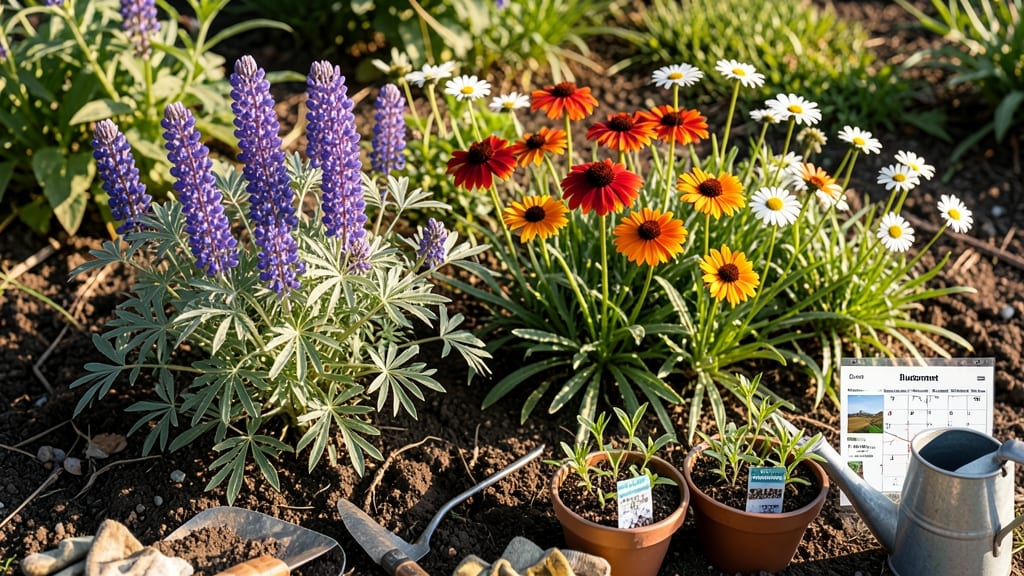
Planting flowers in San Antonio at the wrong time can mean the difference between a vibrant garden and wilting disappointment—especially when those unpredictable freezes or scorching summers get in the way. With USDA Zone 8b conditions, timing isn’t just a suggestion; it’s the key to success.
Most gardeners here know the basics—spring and fall are the go-to seasons—but what you might not realize is how microclimates across the city (like the Hill Country vs. downtown) can shift your ideal planting window by weeks.
Whether you’re dreaming of lantana’s bold blooms or salvia’s drought-resistant charm, getting it right means fewer headaches and more color.
I’ve spent years testing what works in this heat, and the secret isn’t just about the calendar—it’s about matching your flowers to San Antonio’s unique rhythm.
From avoiding frost damage to beating the summer slump, I’ll walk you through the exact months, soil prep, and care tips to keep your garden thriving.
Ready to turn your yard into a year-round paradise? Let’s dive into the heat-zone strategy that’ll have your flowers blooming like never before—no guesswork required.
San Antonio’s heat zones explained: best planting months by flower type
San Antonio’s USDA Zone 8a/8b and AHS Heat Zones create a unique gardening challenge—where 100°F summers clash with occasional winter freezes. Understanding these zones helps you avoid heat stress in summer or frost damage in winter.
The key? Planting at the right time for each flower type ensures vibrant blooms all year.
San Antonio’s last frost date typically falls around January 15, while the first frost arrives by December 15. This narrow window means fall planting (September-November) and early spring planting (February-April) are your safest bets.
Annuals like marigolds and zinnias thrive when sown after the last frost, while perennials like salvia and black-eyed Susans need time to establish roots before summer heat hits.
Cold-hardy bulbs, such as paperwhites and daffodils, can be planted in late fall (November) to bloom early spring. However, tender bulbs like cannas or gladiolus should wait until after April 15 to avoid frost. The AHS Heat Zone system further refines timing—most of San Antonio falls into Heat Zone 10-11, meaning heat-tolerant plants like lantana or turk’s cap can handle the intensity.
| Flower Type | Best Planting Months | Key Considerations | Heat Zone Fit |
|---|---|---|---|
| Annuals (Marigolds, Zinnias) | March-April, September-October | Fast-growing; avoid summer heat stress | Zones 10-11 |
| Perennials (Salvia, Black-Eyed Susans) | September-November, February | Establish roots before summer; mulch heavily | Zones 8-11 |
| Cold-Hardy Bulbs (Daffodils, Paperwhites) | November-December | Plant before first frost for spring blooms | Zones 8-10 |
| Heat-Tolerant Perennials (Lantana, Turk’s Cap) | March-April, September | Thrive in full sun; minimal water once established | Zones 10-12 |
| Tender Bulbs (Cannas, Gladiolus) | April-May (after last frost) | Dig up before first frost; mulch for insulation | Zones 9-11 |
For annuals, timing is everything—plant marigolds or zinnias in March-April or September-October to avoid bolting from summer heat. These fast growers need consistent moisture but can’t handle soggy soil. Succession planting every 2-3 weeks ensures continuous blooms from spring through fall.
Perennials like salvia and black-eyed Susans benefit from fall planting (September-November) to establish deep roots before summer. Once established, they’re drought-tolerant and thrive in full sun. However, mulching with 2-3 inches of organic matter helps retain moisture and regulate soil temperature.
Cold-hardy bulbs like daffodils and paperwhites are your early spring stars—plant them in November-December to ensure they’re anchored before freezing temperatures. These bulbs naturalize over time, meaning they’ll multiply and return year after year with minimal effort. For tender bulbs, like cannas, wait until after April 15 to plant, and dig them up before the first frost to protect them.
Heat-tolerant perennials, such as lantana and turk’s cap, are the workhorses of San Antonio gardens. They handle 100°F+ temperatures with ease and attract pollinators all season. Plant these in March-April
Pro tips for San Antonio flower planting: avoiding common mistakes
San Antonio’s clay-heavy soil and extreme temperatures demand special attention when planting flowers. Many gardeners make costly mistakes like overwatering or ignoring soil amendments, which can stunt growth or kill plants before they establish.
The key is preparing your garden beds properly and adjusting your care routine to match the heat zone demands of each flower type.
One of the biggest mistakes I see is planting summer flowers too early. Heat-loving varieties like lantana or salvia need to wait until after the last frost date (typically mid-March) to avoid transplant shock.
Meanwhile, fall plantings should happen 6-8 weeks before first frost to give roots time to establish before winter chill sets in.
⚠️ callout-warning
San Antonio’s clay soil and 100°F+ summers create unique challenges. Here’s what I’ve learned from years of trial and error:
- ❌ Planting in untreated clay soil – Roots suffocate without amendments.
- ❌ Shallow watering – Encourages weak roots that can’t handle heat.
- ❌ Ignoring afternoon shade – Summer sun can scorch new transplants.
- ❌ Over-fertilizing – Burns tender roots in extreme heat.
Pro tip: Test your soil’s drainage by digging a 6-inch hole. If water pools after 30 minutes, amend with compost and sand.
Let’s start with soil preparation. San Antonio’s native clay holds moisture but suffocates roots. I recommend amending your beds with 2-3 inches of compost and 10% coarse sand to improve drainage.
For container plantings, use a well-draining potting mix with perlite. This simple step can double your success rate with heat-sensitive flowers like petunias or impatiens.
Watering is another critical factor. Many gardeners make the mistake of frequent shallow watering, which only wets the surface and encourages shallow roots. Instead, I water deeply 2-3 times per week in summer, aiming for 1-2 inches of water per session.
Use a soaker hose or drip irrigation to deliver water directly to the roots while keeping foliage dry. Early morning is the best time to water—this prevents fungal diseases that thrive in the humid Texas evenings.
For summer plantings, provide afternoon shade during the first 2-3 weeks. Use shade cloth (30-50% coverage) or plant temporary shade structures like bamboo screens. Native plants like Mexican feather grass or blackfoot daisy can also offer natural shade while thriving in San Antonio’s heat.
Once established, most flowers will handle full sun, but this initial protection makes all the difference.
Finally, create a post-planting care checklist to keep your flowers thriving:
- ☑️ Mulch with 2-3 inches of organic mulch to retain moisture.
- ☑️ Deadhead spent blooms weekly to encourage new growth.
- ☑️ Monitor for pests like aphids or spider mites (common in heat).
- ☑️ Adjust watering based on rainfall—check soil moisture weekly.