
Flowers
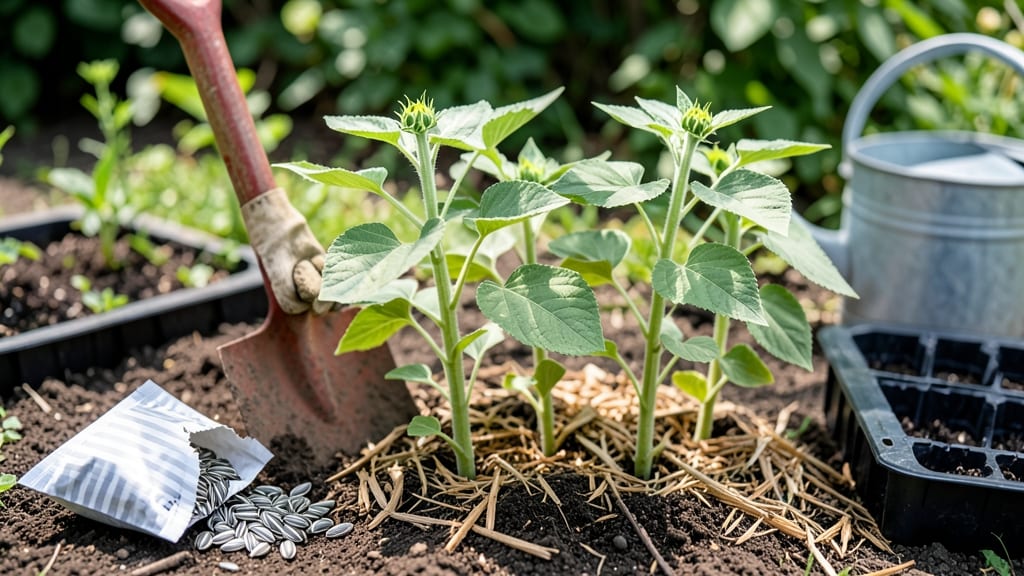
Planting sunflowers 🌻 in Florida at the wrong time can mean the difference between towering, vibrant blooms and sad, stunted stalks that never reach their potential. Unlike cooler climates where timing is tied to frost, Florida’s frost-free zones and year-round warmth create unique challenges—and opportunities—for growing these cheerful giants.
You might think you can just drop seeds anytime, but soil temperature and regional microclimates play a bigger role than you’d expect. North Florida’s cooler winters demand a different approach than South Florida’s near-tropical heat.
The key? Understanding your zone’s last frost date and how heat stress can actually halt growth if you’re not careful.
In this guide, I’ll break down the perfect planting windows for your specific Florida region—plus the three critical mistakes that kill sunflower success before the first bud even appears. Whether you’re growing ‘Russian Giants’ for seed or compact varieties for cut flowers, timing makes all the difference.
Let’s get your sunflowers off to the right start—because in Florida, the clock isn’t just ticking, it’s counting down to your best harvest yet.
Best planting times for sunflowers in Florida by region (north vs. central vs. south)
Florida’s climate lets you grow sunflowers year-round, but regional differences mean timing matters. North Florida’s cooler winters and South Florida’s year-round heat create three distinct planting windows. Planting at the wrong time can lead to weak stems, poor blooms, or even death from heat stress or frost.
Let’s break down the ideal months for each region—plus microclimates like Orlando, Tampa, and Miami.
Sunflowers love Florida’s warmth but need consistent soil temperatures above 50°F. In North Florida, frost risk means you’ll want to avoid planting before March 15. Central Florida’s milder winters allow earlier plantings starting February 1.
South Florida’s frost-free zones mean you can plant anytime—but summer heat demands extra care. Each region also has peak bloom seasons to maximize your harvest.
Here’s a quick comparison of best planting times by Florida region:
In North Florida, frost is the biggest threat, so wait until after March 15 to plant. The first planting window (March-May) gives you blooms by summer, while the fall window (August-September) avoids extreme heat. Jacksonville gardeners should mulch heavily to protect roots during winter.
Central Florida’s milder winters let you start earlier—February 1 is safe for most areas. Orlando’s longer growing season means you can even try late summer plantings (August 15) for fall blooms. Tampa’s humidity levels require good airflow to prevent fungal issues like powdery mildew.
South Florida’s frost-free climate is ideal for sunflowers, but summer heat (above 90°F) stresses plants. Plant in early spring (Jan-Apr) or fall (Sep-Nov) for best results. Miami’s high humidity means daily watering during dry spells, even for established plants.
For succession planting, space out sowings every 2-3 weeks in spring and 3-4 weeks in fall. This ensures continuous blooms and prevents overcrowding. In Orlando’s microclimate, you can even grow sunflowers year-round with shade cloth during peak summer heat.
Watch for soil temperature—use a soil thermometer to confirm it’s above 50°F before planting. Cold soil slows germination and weakens stems. In Tampa’s sandy soil, add compost to retain moisture and nutrients.
Sunflowers thrive with 6+ hours of sunlight daily. In South Florida’s intense sun, provide afternoon shade for young plants to prevent scorching. Mulch with straw to keep roots cool and conserve water.
Plan for harvest timing—most varieties mature in 60-120 days. North Florida’s first plantings (March) yield summer blooms, while fall plantings (August) bloom just before winter. In Miami’s long growing season, you can harvest sunflower seeds year-round with staggered plantings.
3 Critical planting mistakes that stunt sunflower growth in Florida (and how to fix them)
Sunflowers are one of Florida’s easiest summer flowers to grow, but even these hardy plants can struggle if you make common planting mistakes. In my Florida garden, I’ve seen weak stems and poor blooms from three key errors—each with simple fixes.
Let’s dive into what’s holding your sunflowers back and how to correct it.
First, many gardeners plant sunflowers too early in cooler months, like December or January in North Florida. While sunflowers tolerate light frost, cold soil slows germination and weakens seedlings.
I learned this the hard way when my Russian Giant seeds took three weeks to sprout instead of the usual 7-10 days. The fix? Wait until soil temperatures hit 50°F or warmer—typically mid-February for North Florida and year-round in South Florida.
⚠️ Warning: Planting Too Early in Florida
Signs: Slow germination (14+ days), leggy seedlings, yellowing leaves. Solution: Use a soil thermometer—plant only when soil is 50°F+. For North Florida, aim for February 15+; South Florida can plant year-round.
Second, ignoring soil temperature leads to another common mistake: planting sunflowers during Florida’s peak heat (July-August). While sunflowers love sun, extreme heat stresses young plants, causing bolting issues (premature flowering) or stunted growth.
In my Orlando garden, I noticed sunflowers planted in July grew only half their expected height. The solution? Plant in early spring (March-April) or late summer (August-September) for cooler soil and air temperatures.
Finally, many Florida gardeners skip succession planting, leading to a single bloom cycle instead of continuous flowers. Sunflowers have a 60-120 day growth cycle, so planting all seeds at once means a one-time harvest.
Instead, I plant new seeds every 2-3 weeks from February through September. This ensures fresh blooms all season and extends your seed production window.
To fix these mistakes, start by checking your last frost date (January 15 for North FL, none for South FL) and adjust planting times accordingly. For soil temperature, use a soil thermometer or plant when daytime highs are consistently 70°F+.
And for succession planting, set reminders every 3 weeks to sow new seeds—your garden will thank you with taller stems and brighter blooms all season.
Remember, sunflowers are forgiving, but these small adjustments make a huge difference. With the right timing, your Florida sunflowers will reach their full 6-15 foot potential and reward you with vibrant blooms and abundant seeds. Happy planting! 🌻