
Flowers
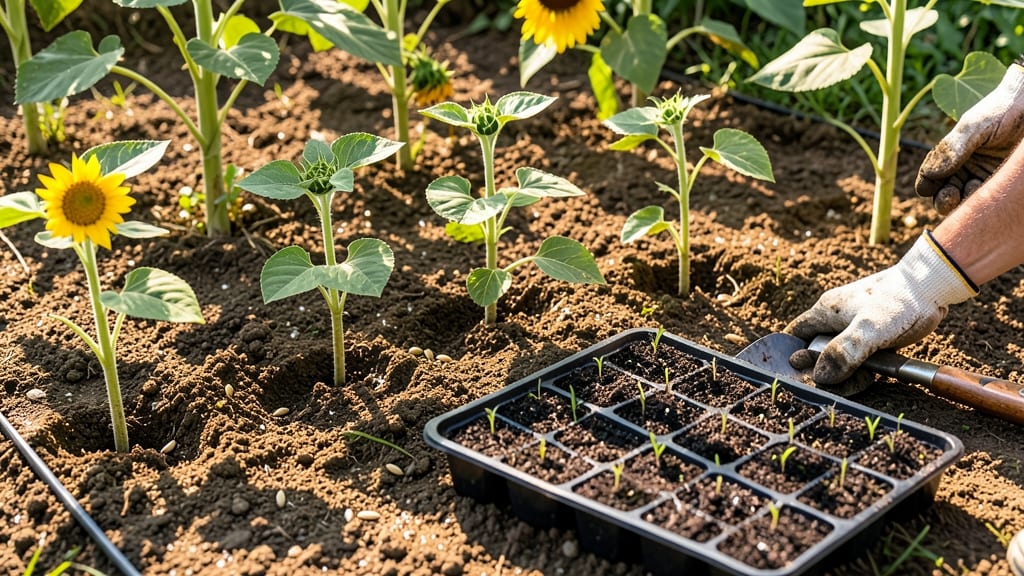
Planting sunflowers in July might seem like a gamble, but with the right approach, you can still grow those towering 🌻 beauties—even if you missed the traditional spring window.
Most gardeners plant sunflowers in April or May, but July can work too, especially in warmer climates like USDA Zone 6a and beyond. The key is choosing fast-maturing varieties and giving them extra care to beat the first frost.
If you're wondering whether your late-season sunflowers will flop or flourish, I’ve got the spacing hacks and care tips to keep them standing tall. From proper soil prep to strategic watering, we’ll cover everything you need to know.
Ready to try? Let’s turn your July garden into a sunflower showstopper with these proven strategies for late-season success.

July sunflower planting: ideal varieties and climate Zones for late-season success
You can absolutely plant sunflowers in July—but success depends on your USDA hardiness zone and the right heat-tolerant varieties. While traditional spring planting yields the tallest stalks, July offers a second chance for vibrant blooms before frost.
The key is selecting fast-maturing varieties and accounting for your local climate's frost-free window.
Sunflowers thrive in USDA Zones 2-11, but July planting works best in Zones 7-11, where summers are long and hot. In cooler zones (4-6), opt for early-maturing varieties to avoid frost damage.
Even in ideal zones, July sunflowers may reach 50-70% of their full height compared to spring-planted counterparts, but they still deliver stunning color and pollinator benefits.
Heat-tolerant varieties like 'Autumn Beauty' and 'Moulin Rouge' are perfect for July planting—they mature in 60-75 days and handle summer heat better than standard types. For shorter seasons, try 'Teddy Bear' (compact, 12-inch height) or 'Sunspot' (45-day bloom time). Always check your last frost date to ensure blooms appear before cold snaps.
| Variety | Days to Mature | Height | Best Zones | Notes |
|---|---|---|---|---|
| Autumn Beauty | 60-75 | 5-6 ft | 7-11 | Heat-tolerant, multicolored blooms |
| Moulin Rouge | 70-80 | 5-6 ft | 6-11 | Drought-resistant, deep red blooms |
| Teddy Bear | 50-60 | 12 in | All zones | Compact, great for containers |
| Sunspot | 45-50 | 2-3 ft | 4-11 | Fastest-maturing, early blooms |
| ProCut | 60-70 | 6-8 ft | 7-11 | Cut-flower favorite, strong stems |
In Zones 7-9, July sunflowers have a 3-4 month growing window before frost. Prioritize direct sowing (not transplants) for best results—sunflowers resent root disturbance. Plant seeds 1 inch deep and 6 inches apart in loose, well-draining soil amended with compost.
For Zones 10-11, you can even plant into early August for fall blooms.
Soil temperature matters more than air temperature for July planting. Aim for soil temps above 60°F—use a soil thermometer to check. If your soil is cooler, try black plastic mulch to warm it faster.
Sunflowers planted in July also benefit from deep watering 2-3 times per week to combat summer drought stress, especially in Zones 8-11 where evaporation rates are high.
For cooler zones (4-6), focus on early-maturing varieties like 'Sunspot' or 'Island Seed'. Plant near south-facing walls or use row covers to extend the season. In these areas, July planting is a gamble—only attempt it if you have at least 90 frost-free days remaining.
Consider starting seeds indoors in early June for earlier outdoor transplanting.
One common mistake with July sunflowers is overcrowding. Give plants 18-24 inches of space to prevent competition for water and nutrients. In tight urban gardens, use container growing with dwarf varieties like 'Teddy Bear' in 5-gallon pots.
Always plant in full sun (6+ hours daily)—even partial shade reduces bloom size and stalk
Sunflower spacing hacks: how to prevent flopping stalks in tight July gardens
July sunflowers face a double challenge: limited growing time and intense summer heat, both of which can cause stalks to flop or weaken. The secret to keeping them standing tall lies in proper spacing and supportive growing conditions.
When planted too closely, sunflowers compete for nutrients and sunlight, leading to spindly, unstable stems. With the right techniques, you can transform your late-season garden into a sunflower paradise—even in tight spaces.
Start by selecting fast-maturing varieties like 'Autumn Beauty' or 'Moulin Rouge', which bloom in 60-70 days. These varieties give you the best chance to beat frost while maintaining sturdy stalks. Pair them with optimal spacing—plant seeds 12-18 inches apart in rows spaced 2-3 feet apart.
This may seem generous, but it’s essential for preventing overcrowding, which is the #1 cause of flopping stalks in July gardens.
For gardens with limited space, consider vertical growing. Install bamboo stakes or wire trellises at planting time and gently tie stalks to the support as they grow. This not only prevents flopping but also creates a stunning vertical display.
Choose dwarf varieties like 'Teddy Bear' if space is extremely tight—these stay under 3 feet tall but still produce vibrant blooms.
Soil preparation is just as critical as spacing. Amend your soil with compost or aged manure before planting to provide nutrients without overfeeding, which can lead to weak stems. July’s heat drains soil moisture quickly, so deep watering—1-2 inches per week—is non-negotiable.
Water at the base of the plant in the early morning to reduce evaporation and fungal risks.
Finally, monitor for pests like sunflower moths or beetles, which can compromise stalk strength. Handpick larger pests or use neem oil spray for organic control.
With these spacing hacks and a little extra care, your July sunflowers will stand tall and proud, turning heads in your garden until the first frost.