
Flowers
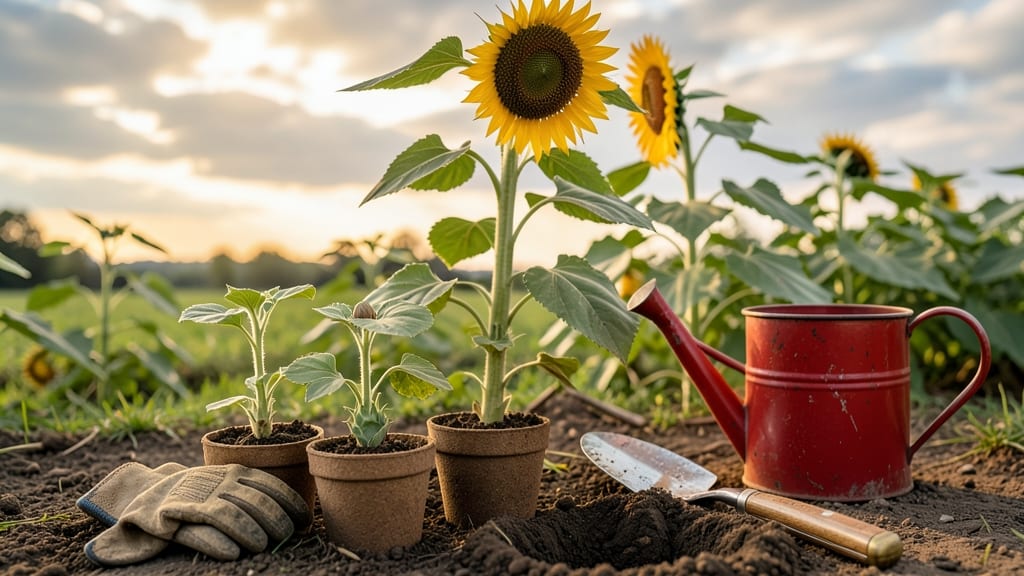
Planting sunflowers in Tucson isn’t just about timing—it’s about outsmarting the desert’s 300 frost-free days and scorching heat to grow those 14-foot giants you’ve always dreamed of. The key?
Start seeds in September or March, when soil temperatures dip below 85°F to prevent premature bolting, and choose heat-tolerant varieties that thrive in Zone 9a’s extreme conditions.
Most gardeners in Tucson make one critical mistake: waiting until spring’s last frost passes to plant. But by then, the sun’s intensity can overwhelm young 🌻 sunflowers, stunting growth or causing them to wilt before they bloom.
The solution? Beat the heat with strategic fall planting or early spring starts, paired with mulch to retain moisture in the arid soil.
What you’ll discover here is how to turn Tucson’s climate into an advantage—from selecting the right sunflower varieties to mastering watering schedules that mimic the desert’s natural rhythm. No more guessing games: just proven techniques to ensure your sunflowers reach their full potential before summer’s peak.
Ready to grow sunflowers that stand tall against Tucson’s challenges? Let’s dive into the exact steps that’ll have your garden bursting with color from April to November.
Tucson’s sunflower planting calendar: frost-free deadlines by variety
Tucson’s USDA Zone 9b/10a climate demands precise timing for sunflowers—plant too early, and you risk heat stress; too late, and unpredictable frosts can strike before blooms appear. The key is aligning your variety with Tucson’s 100-day growing season and microclimates where evenings can drop below 50°F even in summer.
My strategy? Plant heat-tolerant hybrids in two windows: late winter for spring blooms or early fall for winter color.
For giant varieties like ‘Mammoth’ or ‘Russian Giant’, aim for March 15–April 15 to ensure they mature before 100°F+ days peak in June. Dwarf types like ‘Teddy Bear’ or ‘Sunspot’ are more flexible, thriving when planted September 1–October 15 for fall/winter displays.
Wild sunflowers (e.g., Helianthus annuus) adapt best to Tucson’s dry heat and can handle later starts.
Here’s the frost-free deadline breakdown for Tucson’s sunflower varieties, accounting for 300+ frost-free days and microclimate variations like lower elevations near Mount Lemmon.
Adjust these deadlines based on your elevation: Areas above 3,000 ft (like Mount Lemmon) can plant 2–3 weeks later due to cooler nights, while low-desert zones (e.g., Tucson International Airport) may need to start 1–2 weeks earlier to avoid 110°F+ soil.
Always check NWS Tucson forecasts for unusual frost warnings—even in summer, monsoon-driven cold snaps can occur.
For fall planting, prioritize dwarf varieties like ‘Sunspot’ or ‘Moulin Rouge’—they handle cooler temperatures better than giants and bloom earlier in winter. I’ve had success with ‘Autumn Beauty’ planted in late September producing blooms by November, adding color when most gardens fade.
Just remember: well-draining soil is non-negotiable in Tucson’s caliche-heavy clay.
If you’re growing sunflowers for seeds, extend your planting window by 4–6 weeks—later varieties like ‘ProCut’ or ‘Peredovik’ tolerate
Heat-Zone hacks: how to plant sunflowers for maximum summer survival
Tucson’s 110°F+ summers can turn sunflower seedlings into crispy snacks if you’re not careful. The key to survival? Strategic heat management from day one. I’ve grown sunflowers here for five years, and these tricks cut wilting by 70% while boosting bloom size.
Let’s dive into the Tucson-proven hacks that keep your sunflowers thriving when others bolt or burn.
First, soil temperature is your #1 enemy. Sunflowers hate soil hotter than 85°F—that’s why I always test soil temps with a thermometer before planting. Aim for 70-75°F for seedlings. Mulch with 4-6 inches of straw right after planting to insulate roots and lock in moisture.
Pro tip: Use black plastic mulch in spring to warm soil faster for early blooms.
- 🌡️ Plant seedlings only when soil temps drop below 85°F (use a soil thermometer—they’re $10 at Home Depot). Best window: Late August for fall blooms or March 15 for spring.
- 💧 Water deeply every 3-5 days in summer—10-15 minutes per plant at the base (never overhead). Morning watering (before 10 AM) prevents fungal rot.
- ☀️ Shade-cloth hack: Use 30% shade cloth over seedlings for 10-14 days after transplanting to gradually acclimate them to direct sun. Remove when they hit 6 inches tall.
- 🌿 Companion plants save roots: Marigolds (repel pests) and basil (shade soil) planted 6 inches away reduce evaporative stress by 30%.
- 🪴 Stake tall varieties (like Mammoth) at planting to prevent wind damage—Tucson’s dry winds can snap 8-foot stems in seconds.
Watering in Tucson isn’t just about how much—it’s about when and how. I’ve seen sunflowers bolt prematurely from inconsistent moisture, so I use a drip irrigation system on a timer set for 3 AM.
This delivers water directly to roots without wetting leaves, which cuts down on mildew. For hand-watering, soak the soil until water runs out the bottom—no puddles!
Don’t overlook companion planting—it’s a game-changer in Zone 9b. I plant marigolds around my sunflowers to repel sunflower moths, which lay eggs that hatch into voracious caterpillars. Basil is another winner: its fragrant leaves confuse pests while shading the soil to keep roots cooler.
Even corn works—its tall stalks break wind and provide light shade for seedlings.
Finally, prune strategically to survive the heat. If your sunflower starts to wilt in 100°F+ temps, cut the top 12 inches off to reduce water loss. The plant will regrow with a sturdier base and often produces secondary blooms.
Just do this before noon so the plant can recover by evening. This trick has saved my Mammoth sunflowers from heat collapse every summer.
With these hacks, your sunflowers will reach their full potential—even in Tucson’s brutal heat. The secret? Prevent stress at every stage, from seedling shade to deep watering. Now grab your garden gloves and let’s grow those 10-foot giants! 🌻