
Flowers
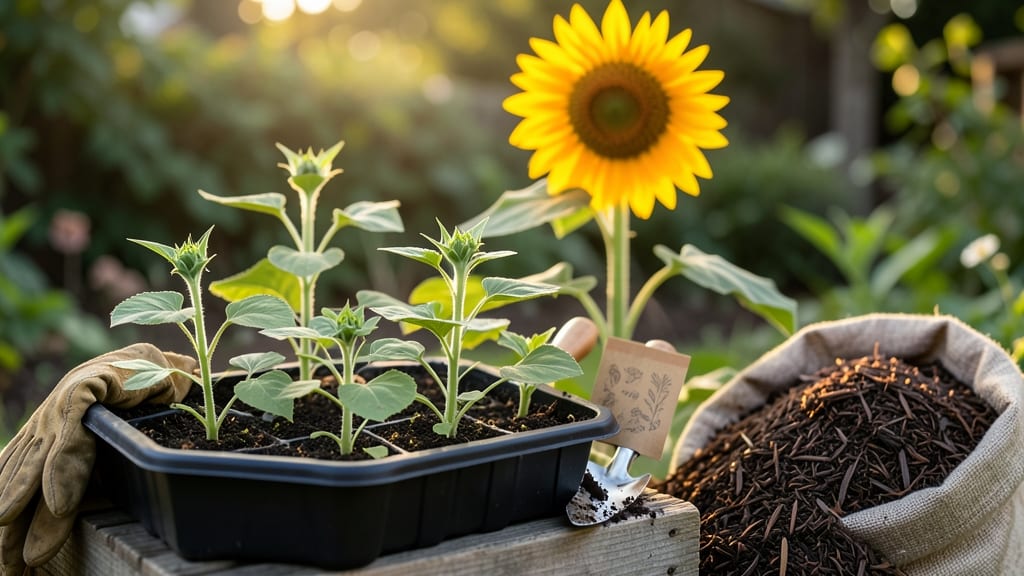
Planting sunflowers in Pennsylvania at the wrong time can leave you with sad, stunted 🌻 stalks instead of towering summer stars. The key to success lies in understanding your region's frost dates—because those mid-April averages can shift dramatically between Pittsburgh and Philadelphia.
Most Pennsylvania gardeners know sunflowers thrive in USDA zones 5-7, but what they don't always realize is how microclimates create wildly different planting windows. While some areas can start seeds in late April, others should wait until early June to avoid frost damage.
I'll show you exactly how to match your planting schedule with your local conditions.
Whether you're growing dwarf varieties for containers or giant 12-foot sunflowers for cut flowers, timing matters more than you think. We'll cover the best months for direct sowing, when to transplant seedlings, and how to stretch your growing season with simple tricks that actually work in Pennsylvania's climate.
Ready to grow sunflowers that reach their full potential? Let's dive into the planting schedule that'll have your garden bursting with color from August through October—no guesswork required.
Pennsylvania’s sunflower planting zones: frost dates & best months
Pennsylvania’s diverse geography—from the Allegheny Mountains to the Delaware River Valley—creates microclimates that affect sunflower planting times. Most of the state falls within USDA Zones 5-7, but frost dates can vary by 1-2 weeks between regions. Understanding these differences ensures your sunflowers thrive from seed to bloom.
Sunflowers are warm-season plants that hate frost. Planting too early risks seed rot or stunted growth, while waiting too long may result in shorter stems and fewer blooms.
The key is timing your direct sowing or transplanting after your area’s average last frost date—typically mid-April to early May across Pennsylvania.
Regional variations matter. For example, Erie (Zone 6a) often has a later frost than Philadelphia (Zone 7a), meaning sunflowers can go in the ground 2 weeks earlier in the city. Below, I’ve broken down planting windows by Pennsylvania’s key regions to help you plan with confidence.
For early spring planting, consider starting seeds indoors 4–6 weeks before your last frost date. Sunflowers germinate quickly (7–10 days), so you can transplant seedlings once soil warms to 55°F+.
However, direct sowing outdoors is easier and often yields hardier plants because sunflowers dislike root disturbance.
If you miss the spring window, don’t despair! Sunflowers are tolerant of heat and can handle late spring plantings (up to early June). Just expect shorter stems and smaller blooms if planted after June 15.
For fall color, try late-season varieties like ‘Autumn Beauty’, which thrive when planted in late July.
Always check your local microclimate. Urban areas like Philadelphia may stay 5°F warmer than rural zones, while mountain valleys can experience delayed frosts. Use a soil thermometer
Sunflower variety timing: dwarf vs. giant vs. tall varieties
Choosing the right sunflower variety for Pennsylvania means matching maturity time with your planting schedule. Dwarf varieties like ‘Moulin Rouge’ mature in just 60-70 days, while giants like ‘Russian Giant’ need 110-120 days.
This difference affects when you can plant for a successful harvest before the first frost. In PA’s USDA zones 5-7, timing is critical to avoid late-season wilting or underdeveloped blooms.
For dwarf varieties, I recommend planting seeds mid-April to early May in most of PA. These quick growers can handle cooler temperatures and still reach maturity before frost.
In contrast, tall varieties like ‘Autumn Beauty’ (90-100 days) need a late-May to early June start to avoid stunted growth from early cold snaps. The key is aligning seedling strength with your region’s frost-free window.
In southern PA (zones 6-7), where frost arrives later, you can push giant varieties into early June plantings. However, in northern PA (zones 5), I always plant tall sunflowers by June 1st to ensure they mature before the mid-October frost.
For container gardening, dwarf varieties are ideal—they thrive in pots and can be moved to sunniest spots as needed.
Pro tip: Use row covers for early plantings of tall varieties to protect young seedlings from late spring frosts. I’ve had great success with ‘Russian Giant’ when started under cover in late May.
For dwarf varieties, succession planting every 2 weeks ensures continuous blooms from July through September. This works especially well in Philadelphia’s warmer microclimates.
If you’re growing sunflowers for seed production, prioritize late-maturing varieties like ‘Autumn Beauty’—their extended blooming period gives seeds more time to develop fully. In Erie’s cooler climate, I opt for ‘Teddy Bear’ (dwarf) instead, as it matures faster and avoids early frost damage.
Always check your local frost dates and adjust planting by 1-2 weeks if needed.
For cut flower arrangements, ‘Moulin Rouge’ is my go-to—its 60-day maturity means I can harvest vibrant blooms as early as late June. In contrast, ‘Russian Giant’ flowers in late August to September, perfect for fall weddings or Thanksgiving decor.
Plan ahead: tall varieties need sturdy stakes and spacious spacing (2-3 feet apart) to avoid stem breakage in PA’s windy conditions.