
Flowers
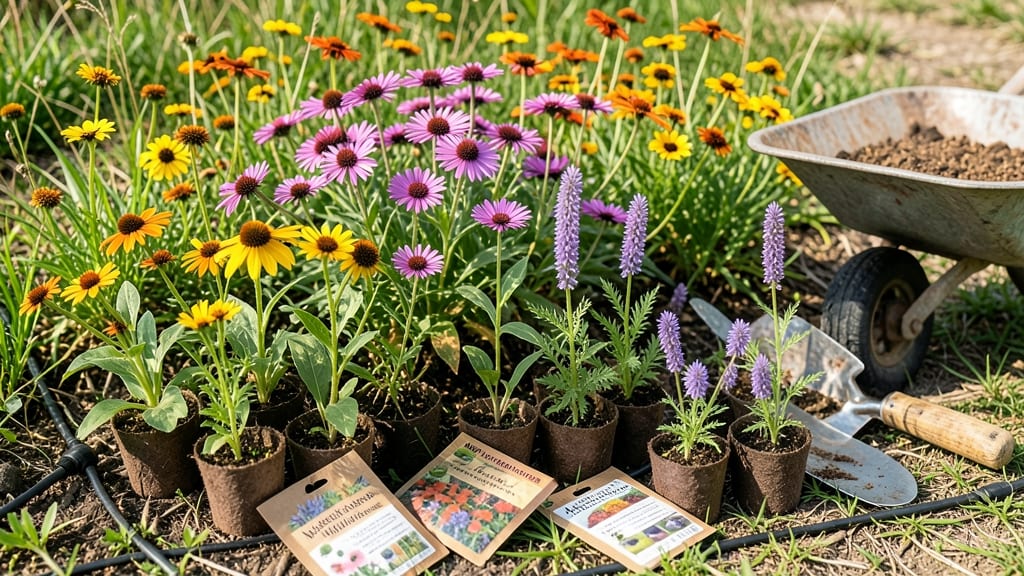
Planting wildflowers in Massachusetts at the wrong time means frost will turn your blooms into a sad, icy memory before they even get started.
The key to success lies in understanding your USDA zone—whether you're in coastal Zone 6 or inland Zone 5b—because those frost dates can shift your ideal planting window by weeks.
I’ve learned the hard way that late March might feel like the perfect time to toss those 🌼 seeds in the ground, but in many parts of the state, you’re still racing against Mother Nature’s icy fingers.
Meanwhile, August to September planting often gives wildflowers the best shot at rooting before winter sets in. But which method works best for your yard?
In this guide, I’ll break down the exact planting deadlines for your region, plus soil prep tricks to help your wildflowers thrive—whether you’re sowing hardy perennials or quick-blooming annuals. No more guessing games, just zero-frost survival strategies tailored to Massachusetts gardens.
Ready to turn your patch of earth into a buzzing, colorful meadow? Let’s get those seeds in the ground at the perfect moment—before the first frost steals the show.
Massachusetts USDA Zone planting deadlines for wildflower success
Massachusetts spans USDA Zones 4-6, creating distinct planting windows for wildflowers depending on whether you're in coastal Boston or inland Worcester. The key to success? Timing your plantings around average last frost dates—typically mid-April in Zone 5b (Western MA) and late April in Zone 6a (coastal areas).
These differences mean your perennial wildflowers (like black-eyed Susans) need early spring prep, while annuals (such as cosmos) thrive with late summer sowing.
For spring planting, aim to sow seeds 4-6 weeks before your last frost date. This gives roots time to establish before summer heat arrives. In fall, plant 6-8 weeks before first frost (usually mid-October) to allow seedlings to develop before winter dormancy.
Coastal regions like Cape Cod have 2-3 weeks later frost dates than inland areas, so adjust accordingly.
Here’s a quick reference for your region’s planting deadlines—critical for avoiding frost damage or missed growing seasons:
| Region | USDA Zone | Last Frost Date | Spring Planting Window | Fall Planting Window |
|---|---|---|---|---|
| Western MA (Worcester, Springfield) | Zone 5b | Mid-April | Late March - Early May | Late August - Mid-September |
| Central MA (Boston, Worcester) | Zone 6a | Late April | Early April - Early June | Early September - Late September |
| Coastal MA (Cape Cod, Provincetown) | Zone 6a-7a | Early May | Early May - Early June | Mid-September - Early October |
Perennial wildflowers like coneflower and bee balm benefit from spring planting because they need time to establish deep roots before winter. These varieties thrive when planted after soil temperatures reach 50°F, which typically happens by late April in Zone 5b.
For annual wildflowers (e.g., cosmos or sunflowers), late summer sowing is ideal—they bloom quickly and tolerate cooler fall temperatures.
If you’re planting in fall, focus on hardy annuals like calendula or lobelia, which can germinate in cooler soil. Avoid planting delicate perennials like columbine too late—they may not survive winter’s chill.
For coastal gardeners, take advantage of the extended growing season by planting annuals in early September for late-season blooms.
Soil preparation is just as critical as timing. Loosen the top 6 inches of soil and mix in compost to improve drainage, especially in rocky MA soil. Coastal areas may need extra sand or perlite to prevent waterlogging.
After planting, water deeply to encourage root growth, and apply a light mulch to retain moisture—critical during dry spring winds or hot summer afternoons.
Monitor your garden for late frosts, which can still occur in May. Use frost cloth for early spring plantings in Zone 5b to protect tender seedlings. In Zone 6a, you can push planting slightly later, but don’t wait past early June—summer heat will stress young plants.
For fall plantings, choose cold-hardy varieties like goldenrod or aster to ensure survival through winter.
Pro tip: Mark your planting deadlines on a garden calendar with regional frost dates to avoid last-minute mistakes. Coastal gardeners can extend their season by 2-3 weeks compared to inland areas, so plan accordingly.
With the right timing, your wildflower meadow will burst into color from June through October, attracting pollinators and adding natural beauty to your landscape. 🌼
Best wildflower seed types by Massachusetts planting season
Massachusetts’ spring and fall planting seasons offer distinct advantages for wildflowers. Spring planting (April–May) gives perennials like black-eyed Susans and coneflowers a head start, while fall planting (August–September) lets seeds germinate in cool soil, avoiding summer heat stress.
The key? Matching your seed type to soil temperatures—perennials need 50–60°F for root establishment, while annuals thrive in 60–70°F ranges.
For spring planting, focus on hardy perennials that tolerate early frost. These include New England asters, bee balm, and goldenrod, which establish deep roots before summer’s peak.
Annuals like cosmos and zinnias, however, are better suited for late summer/fall sowing, as they bloom quickly and don’t need a full growing season to mature.
Here’s my season-specific breakdown of the best wildflower seeds for Massachusetts gardens, including soil prep tips and moisture needs to ensure zero-frost survival:
- 1 Spring Planting (April–May): Ideal for perennials like black-eyed Susans and purple coneflowers. Soil temps should reach 50–60°F and stay above 40°F at night. Water deeply 2–3x/week until roots establish (4–6 weeks).
- 2 Late Summer Planting (August): Perfect for annuals like cosmos and zinnias. Wait until soil temps drop to 60–70°F to avoid heat shock. Mulch lightly to retain moisture; water 1x/week until frost.
- 3 Fall Planting (September): Best for native wildflowers like New England aster and butterfly weed. Seeds need 60+ days before first frost. Rake soil lightly to expose moisture-retaining subsoil and water bi-weekly until ground freezes.
- 4 Soil Prep for All Seasons: Loosen top 6 inches of soil and mix in compost to improve drainage. Avoid heavy clay by amending with sand or peat moss if needed. Test pH (6.0–7.0) for optimal nutrient uptake.
Pro tip: Direct sowing is best for wildflowers—transplants often struggle with root shock. Scatter seeds thinly (1/4 lb per 100 sq ft) and press lightly into soil to ensure seed-to-soil contact.
If planting in rocky MA soil, consider a thin layer of mulch to protect emerging seedlings from erosion.
For coastal gardens (Zone 6), prioritize salt-tolerant varieties like seaside goldenrod, while inland Zone 5b gardeners should choose drought-resistant options like yarrow or wild bergamot. Both thrive with minimal water once established, making them low-maintenance choices for busy gardeners.
Timing your planting right means vibrant blooms from June to October—just in time for pollinators to feast before winter. Start with these season-specific seeds, and your Massachusetts meadow will be buzzing with life in no time! 🌼