
Flowers
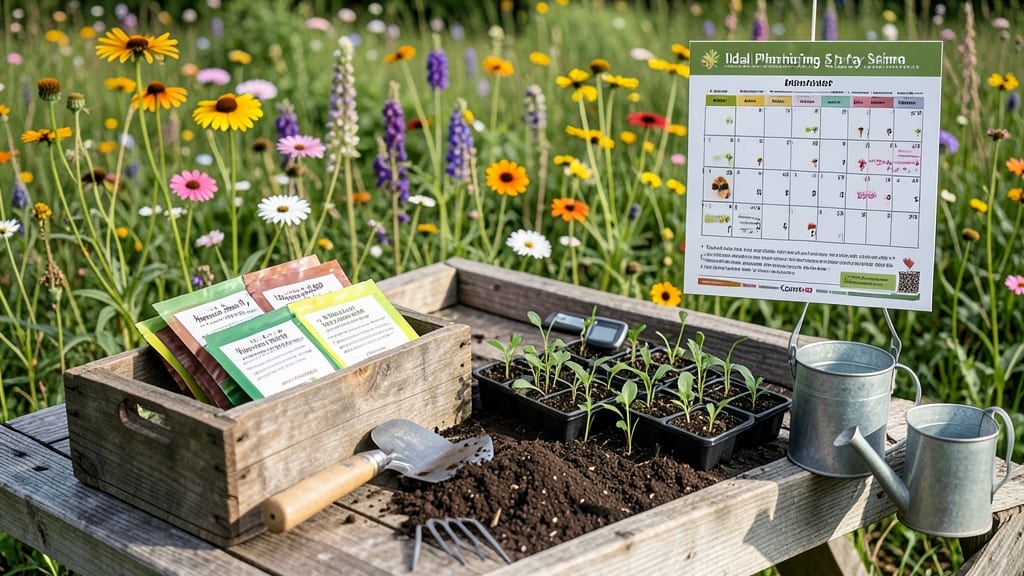
Planting wildflowers 🌼 in Zone 7 at the wrong time can turn your dream meadow into a frost-killed disappointment—get the timing right, and you'll enjoy vibrant blooms all season long.
Most gardeners assume spring is the only option, but fall planting actually gives wildflowers a head start. The key is understanding when your last frost hits (usually mid-April) and how to work with your local microclimate.
I've tested both spring and fall planting windows, and what I'm about to share will help you avoid common mistakes. Whether you're seeding a new garden bed or restoring a wildflower meadow, these exact planting months make all the difference.
From preparing your soil in early spring to protecting young seedlings in fall, I'll walk you through the most important steps for zero-frost success. Let's get your wildflowers off to the best possible start.
Zone 7 wildflower planting calendar: best months by seed type
Timing is everything when planting wildflowers in Zone 7, where frost dates can swing wildly between mid-April and mid-October. The wrong timing means seeds rot in cold soil or bolt in summer heat.
But get it right, and you'll enjoy continuous blooms from spring through fall. Let's break down the best planting windows for annuals, perennials, and biennials to maximize your meadow's success.
Zone 7's 165 frost-free days create a narrow window for planting. Annuals need early starts to establish roots before summer heat, while perennials benefit from fall planting to develop strong root systems before winter.
Biennials have their own unique timing needs that most gardeners overlook. Understanding these differences will transform your wildflower garden from a hit-or-miss experiment to a reliable blooming spectacle.
| Wildflower Type | Best Planting Window | Frost Risk | Key Considerations |
|---|---|---|---|
| Annual Wildflowers | March-April (spring) OR September-October (fall) | High spring frost risk, low fall risk | Spring: Plant 4-6 weeks before last frost. Fall: Plant 6-8 weeks before first frost for germination. |
| Perennial Wildflowers | September-October (fall only) | Low risk with proper timing | Fall planting allows roots to establish before winter. Avoid spring planting - seedlings may bolt in heat. |
| Biennial Wildflowers | Late July-August (late summer) | Moderate risk from late frosts | Plant when soil temps are 60°F+ and nights are warm. Seeds need 6-8 weeks to germinate before first frost. |
| All Wildflowers | Soil Temperature | Critical factor | Ideal germination range: 60-75°F. Use soil thermometer to verify before planting. |
For annual wildflowers, I always plant in both early spring (March-April) and fall (September-October). Spring planting gives you summer blooms, while fall planting often produces the most vigorous spring displays.
The key is to plant spring annuals 4-6 weeks before your last frost date - typically around mid-March in most of Zone 7. Fall plantings should go in 6-8 weeks before first frost, usually by early October.
Perennial wildflowers are fall-only plants in Zone 7. They need time to establish roots before winter, so planting in September-October gives them the best chance. I've found that perennials planted in fall often bloom 2-3 weeks earlier than those planted in spring, giving you that coveted early-season color.
The trade-off? You won't see blooms until the second year, but the payoff is worth it for a low-maintenance, long-lasting meadow.
Biennial wildflowers like foxglove and hollyhock require special attention. These plants need late summer planting (July-August) to complete their growth cycle. The seeds must germinate and develop a strong root system before winter, then bloom the following year. This timing is tricky because you're racing against late summer heat and fall frosts. I recommend planting in late July when soil temperatures start to cool slightly and nights remain warm.
One common mistake I see is planting all wildflowers at once. Different types have varying cold tolerance. For example, Black-Eyed Susans can handle light frosts, while Bluebonnets need warmer soil.
That's why I always stratify seeds (mix with sand and refrigerate for 2 weeks) before planting in fall. This mimics winter conditions and helps break seed dormancy for more reliable germination.
Zone 7's microclimates add another layer of complexity. If you're in a cooler microclimate (like near a lake), push spring planting back to late April. In warmer microclimates (like urban heat islands), you can plant as early as February for early blooms.
Always check your specific last frost date - it can vary by 1-2 weeks even within the same zone.
After planting, mulching becomes your best friend. A 1-inch layer of straw helps regulate soil temperature and retain moisture. For fall plantings, I add extra mulch (2-3 inches) to protect seeds from temperature fluctuations that can cause uneven germination.
Remember, wildflowers are tough but not invincible - give them the right conditions, and they'll reward you with years of color.
Don't forget about seed depth. Most wildflower seeds need only 1/4-inch coverage at most. Some, like poppies, actually need light to germinate. Always follow the seed packet instructions, but when in doubt, plant lightly and cover with a fine layer of soil or mulch.
The goal is to protect seeds without burying them too deep.
With this planting calendar, you'll transform your Zone 7 garden into a blooming paradise that thrives year after year. The secret? Paying attention to seed types, frost dates, and microclimates.
Start with these timing guidelines, and soon you'll be the envy of the neighborhood with your vibrant, low-maintenance wildflower meadow. 🌼
How to avoid frost damage: pro tips for Zone 7 wildflower success
Zone 7's unpredictable late frosts can turn your wildflower dreams into a sad, icy landscape. Even after planting at the perfect time, a surprise frost can delay blooms or kill seedlings entirely.
The key to success lies in understanding your microclimate and preparing strategically. I've learned that a few simple adjustments can make all the difference between a thriving meadow and a frost-bitten disappointment.
First, always check your soil temperature before planting. Wildflower seeds need soil that's at least 50°F (10°C) to germinate properly. Use a soil thermometer to verify temperatures—especially in spring when mornings can still be chilly.
I recommend planting when daytime highs consistently reach 60°F (15°C) for at least 3 days in a row to ensure good germination rates.
⚠️ callout-warning
In Zone 7, late spring frosts can occur until mid-April in most areas, while fall frosts arrive as early as mid-October. Never plant annual wildflowers before April 15th or after September 15th without protection. For perennials, extend your window to October 1st with proper mulching.
🌱 Pro Tip: Monitor local frost dates using your USDA Plant Hardiness Zone Map and add 1-2 weeks buffer for safety.
Selecting the right microclimate can add 1-2 weeks of frost protection to your planting window. Areas near buildings, slopes, or bodies of water often warm up faster in spring and cool down slower in fall.
I've had great success planting near my south-facing garage where the concrete absorbs heat during the day and radiates it at night. Even a simple windbreak made from evergreen shrubs can protect seedlings from cold winds that accelerate frost damage.
Mulching is one of the most effective ways to protect wildflower seedlings from frost. Apply a 2-3 inch layer of straw or leaves after planting to insulate soil and retain moisture. For extra protection, I use row covers made from lightweight fabric during the first 2 weeks after germination.
These covers trap heat during the day and release it slowly at night, raising soil temperatures by 5-10°F (3-6°C). Just remember to remove covers during the day to prevent overheating.
For late spring plantings, consider using seedling cloches or even plastic soda bottles (cut in half) to create mini greenhouses. These protect young plants from both frost and hungry pests. I've used this method successfully with Black-Eyed Susans and Coneflowers planted in early May.
The cloches create a 5°F (3°C) warmer environment that makes all the difference during those critical first weeks of growth.
Watering strategies also play a crucial role in frost protection. Always water deeply in the morning before frost events. The moisture in the soil releases heat as it freezes, providing 1-2°F (0.5-1°C) of additional protection.
Avoid evening watering as wet foliage can freeze and damage plants. In fall, reduce watering gradually to help plants harden off before winter—this makes them more resilient to early frosts.
Finally, choose frost-tolerant varieties when possible. Some wildflowers like Goldenrod and Milkweed can handle light frosts even as seedlings, while others like Cosmos are more sensitive. I always check the USDA hardiness ratings of any new varieties I want to try.
For maximum protection, consider starting some seeds indoors 4-6 weeks before your last frost date and transplanting hardened-off seedlings after the danger of frost has passed.