
Flowers
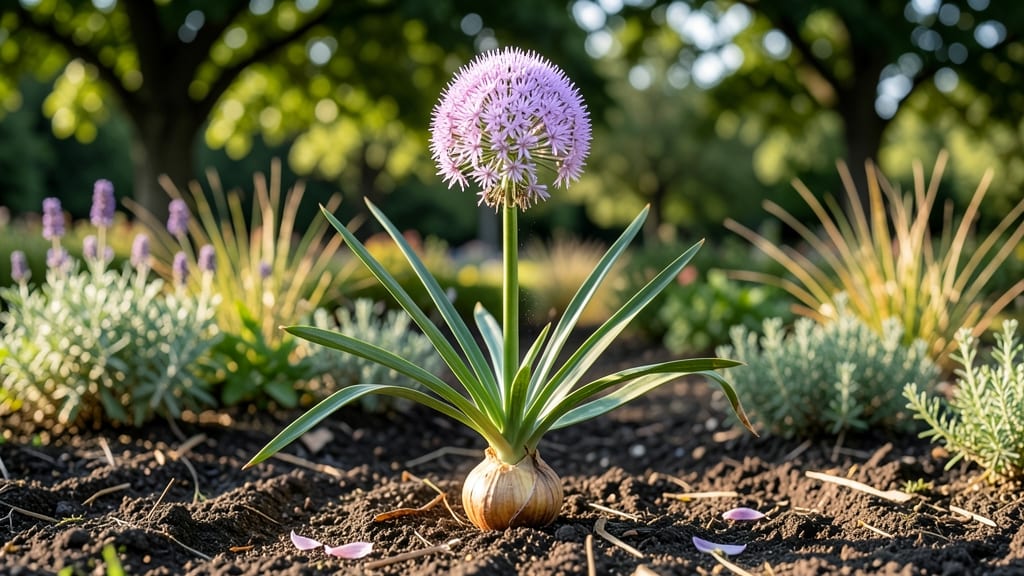
Timing your allium flower blooms correctly can transform your garden into a stunning, layered display—but knowing when these globe-shaped blooms appear depends entirely on your USDA zone.
In Zone 6, where I garden, the 🌸 Allium Flower typically bursts into color between late April and early June, turning heads with its dramatic spheres of purple, white, or pink.
What makes alliums so special is their ability to bloom at different times depending on the variety. Some, like Allium giganteum, shoot up like towering exclamation points in May, while others, such as Allium sphaerocephalon, prefer the cooler days of late spring.
The key to getting the most out of your alliums is understanding how to time your planting and care for their unique needs.
If you're wondering how to extend that bloom time or sync your alliums with other flowers for a continuous show, you're in the right place. I'll walk you through the exact steps to ensure your garden stays vibrant from early spring through summer.
Whether you're a seasoned gardener or just starting out, these tips will help you create a garden that feels like it's always in its prime.
Let’s dive into the specifics—from choosing the right varieties for your zone to the subtle cues that tell you when your alliums are ready to shine. You’ll learn how to plan ahead, troubleshoot common issues, and keep your garden looking its best all season long.
Allium flower bloom time by USDA zone: exact month-by-month calendar
Allium flowers are garden superstars, offering bold, spherical blooms that add drama from early spring to late summer. But their bloom timing varies wildly depending on your USDA zone and the specific variety.
In Zone 3, you might see Allium schubertii popping up in May, while Zone 10 gardeners enjoy Allium sphaerocephalon through July. Understanding these patterns lets you layer blooms for continuous color—here’s your zone-by-zone guide.
Most alliums are perennial hardy bulbs, meaning they return yearly, but their first bloom depends on when you plant. Fall-planted bulbs (like Allium giganteum) typically bloom 6-8 weeks after last frost, while spring-planted varieties (like Allium roseum) may take until mid-summer.
Microclimates—like urban heat islands or coastal breezes—can shift timings by 2-4 weeks, so adjust accordingly.
Use this calendar to plan your garden’s seasonal highlights. Early bloomers like Allium cristophii (purple stars in April) pair perfectly with late-season Allium karataviense (June-July). In warmer zones, Allium moly (golden stars) may rebloom in fall. Pro tip: Cut spent blooms to redirect energy into next year’s flowers.
In colder zones (3-5), alliums often bloom 2-3 weeks earlier than their southern counterparts due to shorter growing seasons. For example, Allium giganteum in Zone 4 might start in late May instead of June. To push blooms earlier, plant bulbs in fall—this gives roots time to
How to extend Allium bloom time: pro tips for longer-flowering gardens
Want your alliums to bloom longer and brighter? The secret lies in strategic planting and care.
I’ve learned that fall planting for spring blooms can push your Allium giganteum into flower up to 3 weeks earlier, while heat-tolerant varieties like Allium sphaerocephalon thrive in summer heat if given the right conditions. The key is understanding your USDA zone and adjusting your approach accordingly.
For example, in Zone 5, I plant my bulbs in October to ensure they establish roots before winter, giving them a head start in spring. Meanwhile, in Zone 8, I focus on shade protection during peak summer to prevent premature wilting.
These small tweaks can extend your bloom time from a few weeks to nearly two months of continuous color.
- 1 Plant bulbs in fall for spring blooms—this gives roots time to establish before winter, ensuring earlier and longer flowering. Aim for 6-8 weeks before frost in your zone.
- 2 Choose heat-tolerant varieties like Allium schubertii or Allium karataviense for summer gardens. These thrive in full sun and dry conditions, extending bloom time in warmer zones.
- 3 Pair with companion plants like lavender or salvia to sync bloom times. These plants attract pollinators and create a continuous color palette, making your garden look fuller for longer.
Soil preparation is another game-changer. I always amend my garden beds with compost and sand to improve drainage, which prevents bulb rot and encourages stronger growth. Well-draining soil is critical—alliums hate soggy roots, and even a slight waterlogged condition can cut bloom time in half.
Test your soil’s pH level too; alliums prefer neutral to slightly alkaline soil (6.5-7.5).
Don’t overlook the power of companion planting. I’ve found that pairing alliums with low-growing perennials like coral bells (Heuchera) or hostas creates a layered look while extending the visual appeal.
These plants fill in gaps and attract beneficial insects, which can boost bloom health and duration. Plus, they create a textural contrast that makes your alliums stand out even more.
For a zone-specific approach, here’s my 3-step checklist:
- Adjust planting time based on your zone—fall for spring blooms, spring for summer flowers.
- Mulch heavily after planting to retain moisture and regulate soil temperature.
- Deadhead spent blooms to redirect energy to new growth, extending the season by up to 4 weeks.
With these strategies, your alliums won’t just bloom—they’ll thrive and keep your garden vibrant from early spring to late summer. The best part? These tips work for any USDA zone, so you can adapt them to your local climate. Happy gardening! 🌱