
Planting
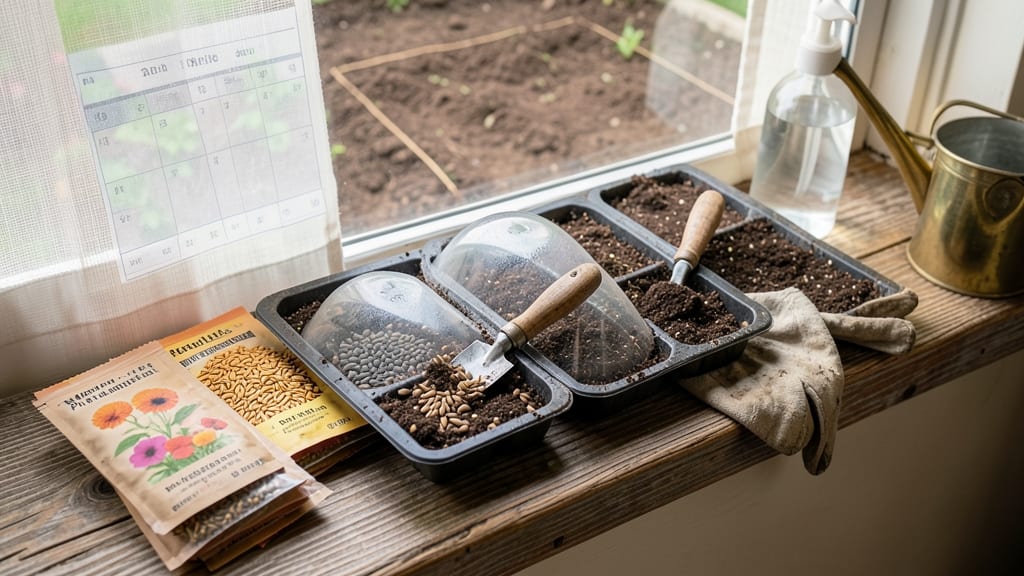
USDA Zone last frost dates: when to plant flower seeds by region
Timing your flower seed planting is like catching a wave—get it right, and you’ll ride a season of vibrant blooms; miss it, and you’ll watch your seeds struggle or fail.
The USDA Zone last frost dates act as your gardening compass, telling you exactly when to start seeds indoors or sow directly outdoors.
For example, in Zone 5, where last frosts can hit as late as May 15, I start cold-hardy flowers like snapdragons indoors in March, while tender varieties like marigolds wait until after May 30.
Not all flowers are created equal—some, like cosmos and zinnia, thrive when sown directly after the last frost, while others, such as petunias and geraniums, need a head start indoors. The rule of thumb?
Start 4-6 weeks before your last frost date for most annuals, but adjust for perennials like coneflowers, which can handle cooler soil and may wait until 2-3 weeks before the last frost.
Here’s the game-changer: soil temperature matters just as much as air temperature. Seeds like sunflowers won’t germinate until soil reaches 60°F+, while pansies can sprout in cooler 45°F soil. Use a soil thermometer to check—it’s your secret weapon for avoiding the heartbreak of slow or failed germination.
| USDA Zone | Avg. Last Frost | Indoor Start (Cold-Hardy) | Outdoor Sow (Tender) | Direct Sow (Hardy) |
|---|---|---|---|---|
| 1-2 | June 1-15 | Feb 15-March 1 | June 20 | May 15 |
| 3-4 | May 1-15 | March 15-April 1 | May 20 | April 15 |
| 5-6 | April 15-May 1 | March 1-April 15 | May 15 | April 1 |
| 7-8 | March 15-April 1 | Feb 15-March 15 | April 15 | February 28 |
| 9-10 | February 15-March 1 | January 15-February 1 | March 15 | January 31 |
| 11-12 | January 1-February 1 | December 15-January 15 | February 15 | December 15 |
Notes: Cold-hardy flowers (e.g., snapdragons, pansies) can handle earlier starts; tender flowers (e.g., petunias, impatiens) wait until after last frost. Adjust for microclimates!
If you’re in Zone 9 or 10, where winters are mild, you might even get a second planting in late summer for fall blooms. For instance, I sow cosmos seeds in August to enjoy their cheerful faces well into November.
The key is monitoring your local weather patterns—sometimes, the last frost sne
How to adjust planting times for early vs. late bloomers
Not all flowers bloom at the same time, and their germination speeds vary wildly. Early bloomers like pansies and snapdragons need a head start, while late-season stars like cosmos and sunflowers thrive when planted later.
The trick? Adjusting your planting schedule to match each flower’s growth timeline and your local climate.
For fast germinators like marigolds or zinnias, you can sow directly after your last frost date. But for slow starters like delphiniums or hollyhocks, starting them indoors 8-10 weeks early ensures they’re ready to bloom by summer.
Let’s break down how to time your plantings for a continuous bloom season.
🌱 When to Start Planting Flower Seeds by Type
- 1 Fast Germinators (3-10 days): Marigolds, zinnias, sunflowers. Sow directly 1-2 weeks after last frost or indoors 2-4 weeks early for earlier blooms.
- 2 Moderate Germinators (10-21 days): Petunias, snapdragons, cosmos. Start indoors 4-6 weeks before last frost or sow outdoors after soil reaches 55°F+.
- 3 Slow Germinators (21+ days): Delphiniums, hollyhocks, lupines. Begin indoors 8-10 weeks early or use heat mats to speed germination.
- 4 Heat-Loving Annuals: Portulaca, lantana, gaillardia. Wait until soil is 70°F+ or sow after Memorial Day in most zones.
- 5 Perennials: Coneflowers, black-eyed Susans. Sow seeds directly in fall or start indoors 6-8 weeks before last frost for spring blooms.
Use succession planting to keep your garden in bloom all season. For example, plant fast-blooming cosmos in early summer, followed by late-season zinnias 4-6 weeks later. This ensures your garden never looks bare, even as some flowers fade.
For cool-season bloomers like calendula or sweet alyssum, take advantage of early spring or fall plantings. These flowers tolerate light frosts and will reward you with early or late-season color when most gardens are dormant. Just be sure to protect seedlings with row covers if frost threatens.
If you’re in a hot climate (Zones 8-11), focus on heat-tolerant varieties like celosia, vinca, or Mexican sunflower. These thrive when planted in early spring or late summer to avoid the peak heat. Pair them with shade-loving flowers like impatiens or fuchsias for a balanced, year-round display.
Extend your bloom season even further with cold frames or mini greenhouses. These let you start tender annuals like geraniums or salvia 4-6 weeks earlier than your last frost date. Just remember to ventilate on warm days to prevent overheating.