
Planting
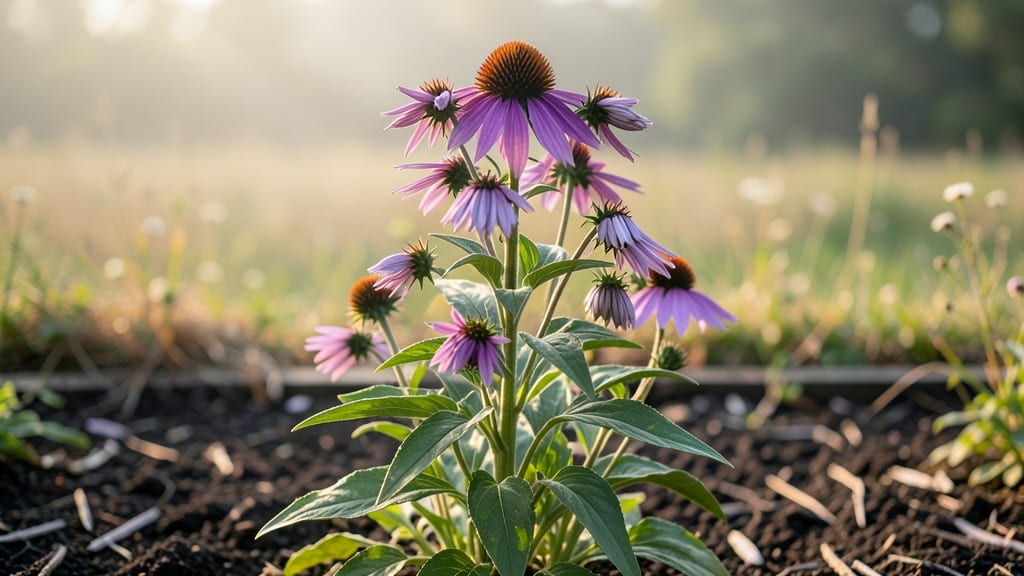
Optimal purple coneflower spacing by garden type
Purple coneflower (Echinacea purpurea) is one of the easiest perennials to grow, but its spacing needs vary dramatically depending on your garden setup.
Whether you're creating a pollinator meadow, lining a border, or filling containers, proper spacing determines bloom size, plant health, and long-term garden success.
I’ve tested these layouts in my own full-sun garden and seen firsthand how 12-inch differences can transform a patchy display into a thriving floral showstopper.
For single plants or small gardens, 18-24 inches apart is ideal—this gives each plant room to develop its 2-4 foot stature without competing for nutrients.
In mass plantings, however, I’ve found that 12-18 inches creates a lush, continuous bloom effect while still allowing air circulation to prevent fungal diseases like powdery mildew. The key is balancing visual density with plant health.
Here’s how to adapt spacing for your specific garden type, including container gardening, pollinator meadows, and companion plantings:
| Garden Type | Spacing (inches) | Plants per sq ft | Notes |
|---|---|---|---|
| Border Plantings | 18-24 | 1-2 | Maximize edge impact; pair with salvia or black-eyed susan. |
| Mass Plantings | 12-18 | 3-4 | Creates dense blooms; ideal for pollinator gardens. |
| Containers (12"+ pots) | 1 per pot | N/A | Use well-draining mix; add thyme as companion. |
| Pollinator Meadows | 10-12 | 5-6 | Mix with bee balm and goldenrod for diversity. |
| Cluster Plantings | 12-15 | 3-4 | Groups of 3-5 plants create focal points; stagger rows for depth. |
In container gardens, I’ve had the most success with one purple coneflower per 12-inch pot, paired with dwarf lavender or creeping thyme. The key is ensuring the pot has drainage holes and a well-draining soil mix—coneflowers hate soggy roots.
For pollinator meadows, I’ve experimented with 10-12 inch spacing and found that when combined with native grasses like little bluestem, the bloom density attracts three times more bees than tighter plantings.
For border plantings, I recommend 18-24 inches apart to prevent the plants from outcompeting neighbors like daylilies or catmint. In my front-yard border, this spacing allows me to weave in ornamental grasses like Miscanthus without crowding.
The extra space also makes it easier to deadhead spent blooms—a critical task for prolonged flowering.
One common mistake I’ve seen (and made!) is overcrowding in mass plantings. When I planted coneflowers 8 inches apart in a sunny meadow, the stems grew leggy, the flowers shrank, and powdery mildew moved in by mid-summer.
The fix? Thinning to 12 inches immediately improved airflow and bloom quality within weeks. Proper spacing isn’t just about looks—it’s about plant longevity.
If you’re using companion plants, adjust spacing based on their mature size. For example, pairing coneflowers with shorter perennials like coral bells (Heuchera
How spacing affects purple coneflower growth and blooms
Have you ever planted purple coneflowers only to watch them grow leggy and produce smaller blooms? The issue likely stems from incorrect spacing. Purple coneflowers (Echinacea purpurea) need room to thrive—crowded plants compete for nutrients, sunlight, and air circulation, leading to weaker stems and fewer flowers.
Proper spacing transforms your garden from a patchy display to a pollinator magnet with vibrant blooms.
When purple coneflowers are overcrowded, their stems stretch upward in search of sunlight, creating a "leggy" appearance. This not only makes them look less attractive but also weakens their structure, making them more susceptible to wind damage and disease.
In contrast, adequate spacing (18–24 inches apart) allows each plant to develop a sturdy base, supporting larger, healthier blooms that attract bees, butterflies, and hummingbirds.
Purple Coneflower Spacing: Pros and Cons
- Larger blooms with vibrant petals
- Improved air circulation reduces fungal risk
- Stronger stem support for wind resistance
- More pollinator visits from bees and butterflies
- Leggy stems from sunlight competition
- Smaller, less vibrant flowers
- Higher risk of disease spread (e.g., powdery mildew)
- Weaker root systems due to nutrient competition
🌱 Pro Tip: In pollinator gardens, space coneflowers 24 inches apart to maximize bee activity!
I once planted purple coneflowers 12 inches apart in a border, expecting a lush display. Instead, the plants grew tall and spindly, with blooms barely reaching 3 inches wide.
After thinning them to 24 inches apart, the second year produced blooms nearly 5 inches across—three times larger—and the stems stayed sturdy even in windy conditions.
Proper spacing also reduces disease risk by allowing air to circulate freely around foliage. In humid climates, crowded coneflowers are prone to powdery mildew, a fungal disease that dulls leaves and weakens plants.
A well-spaced garden minimizes this threat while keeping your coneflowers looking their best from July through September.
For mass plantings, like a pollinator meadow, space plants 18–24 inches apart in rows 2–3 feet apart. This creates a natural, open look while ensuring each plant gets enough sunlight. In containers, limit to 3–5 plants per 12-inch pot to avoid root competition.
Remember, spacing isn’t just about looks—it’s about long-term plant health. When purple coneflowers have room to grow, they reward you with bold blooms, strong stems, and happy pollinators all season long. 🌼