
Blooming
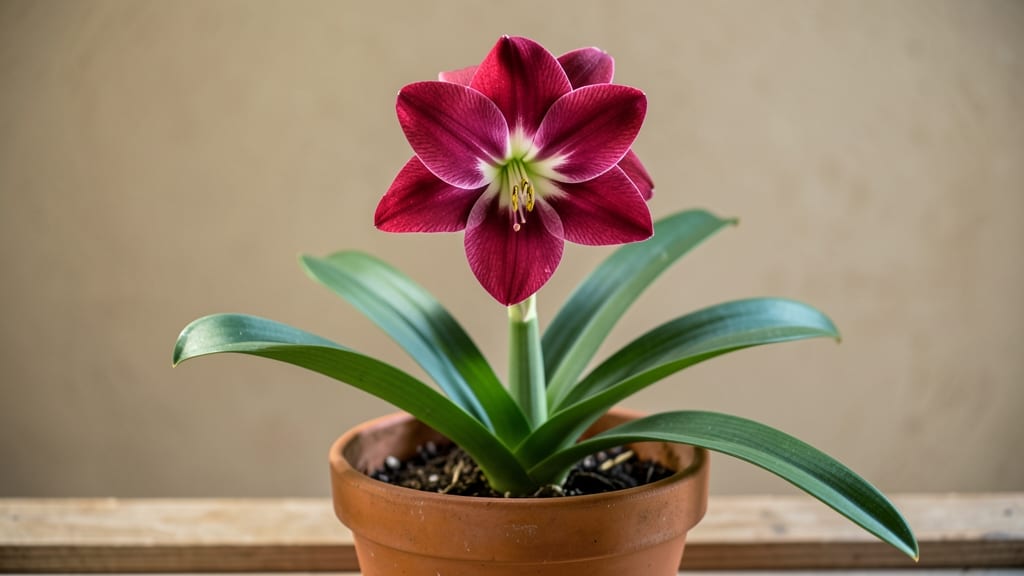
Want to enjoy vibrant 🌸 amaryllis flowering time by the holidays? Timing is everything when it comes to forcing these showstopping flowers indoors—because with the right schedule, you can trigger blooms in just 6-8 weeks, even if you’re a first-time grower.
The key lies in understanding how light, temperature, and dormancy work together to coax those dramatic flowers from their bulbs. Unlike outdoor plants, amaryllis thrives on indoor control, making it perfect for winter cheer.
I’ll show you exactly when to plant, how to adjust care, and what to watch for so your 🌸 amaryllis puts on its best show right when you want it.
Most gardeners miss the mark by planting too early or too late, but the secret is simple: start your bulbs 2-3 weeks before your target bloom date.
Whether you’re aiming for Thanksgiving, Christmas, or New Year’s, I’ll break down the exact steps to ensure your amaryllis delivers on time—no guesswork required.
From the moment you plant to the day the first bud swells, you’ll learn how to fine-tune conditions for faster growth and longer-lasting blooms. Let’s get those bulbs blooming on schedule!
How to time amaryllis flowering for maximum blooms
Amaryllis bulbs are like nature’s clock—with the right timing, you can coax those dramatic 6-inch blooms to appear just when you want them. Whether you dream of holiday cheer in December or a springtime splash of color, understanding the 6-8 week forcing period is key.
The secret lies in calculating backward from your desired bloom date while accounting for light exposure and temperature adjustments that speed up growth.
Most gardeners plant amaryllis bulbs 8-10 weeks before their target bloom date. For example, if you want vibrant flowers by Christmas Eve, start planting bulbs around October 15th.
This timeline assumes your bulbs receive 12-14 hours of daylight (via grow lights if needed) and 70-75°F temperatures during the day. Adjust these factors to fine-tune your schedule—cooler temps slow growth, while warmer conditions accelerate it.
Here’s the game-changer: amaryllis bulbs need consistent moisture but no fertilizer during the initial 6 weeks of growth. Once the flower stalk reaches 6 inches tall, that’s your cue to add a balanced fertilizer (like 10-10-10) to boost bloom production.
Skipping this step can delay flowering by 1-2 weeks or result in weaker stems.
Step-by-Step Amaryllis Forcing Schedule
- 1
- 2
- 3
- 4
- 5
- 6
- 7
Pro tip: If you’re planting for spring blooms, aim for a March 15th target date. Start bulbs in January and place them in a cool (60°F) location until early February, then move to a warmer, bright spot to trigger flowering.
This two-step approach mimics natural seasonal changes and often yields larger, more robust blooms.
Light is the most critical factor after timing—low light delays blooming by 2-3 weeks or worse, causes stems to flop over. Place your amaryllis within 2 feet of a south-facing window or supplement with a LED grow light for 14 hours daily.
Rotate the pot weekly to ensure even growth. A common mistake? Assuming artificial light is enough—amaryllis need natural light spectrum for optimal flowering.
Temperature tweaks can shave 1-2 weeks off your forcing schedule. During the day, keep bulbs in 70-75°F (like a sunny kitchen). At night, drop temps to 60-65°F (a basement or unheated garage works).
This day-night temperature swing mimics outdoor conditions and signals the bulb to focus energy on flower production rather than foliage growth. Avoid placing pots near heating vents or drafty windows, which disrupt this balance.
For holiday displays, add a red or gold ribbon to the pot 4-5 weeks after planting. This creates a festive look while also serving as a visual reminder of your target bloom date. Pair your amaryllis with eucalyptus or pine sprigs for a fragrant, seasonal centerpiece.
The key to long-lasting blooms? Deadhead spent flowers daily and keep the pot in a humid location (like a bathroom with a humidifier) to extend vase life by 3-5 days.
Remember, amary
Critical factors that affect amaryllis flowering time
Amaryllis bulbs are like tiny powerhouses—packed with energy to produce stunning blooms, but only if given the right conditions. The flowering time can vary dramatically based on a few key factors, including bulb size, light exposure, and even the temperature of your growing space.
For example, a large bulb (8+ inches) typically blooms 2-3 weeks faster than a smaller one, while insufficient light can delay blooms by 4-6 weeks or worse.
Understanding these variables lets you accelerate blooming for holidays or adjust care if your amaryllis is running late. One common misconception is that amaryllis blooms on a strict schedule—when in reality, watering habits and fertilizer timing play just as big a role.
Overwatering, for instance, can drown roots and stall flower production entirely, while the right balanced fertilizer (10-10-10) applied at the right time can cut bloom time in half.
| Factor | Impact on Bloom Time | Optimal Condition | Troubleshooting Delay |
|---|---|---|---|
| Bulb Size | Larger bulbs (8"+) bloom 2-3 weeks faster | Choose bulbs 6-8 inches in diameter | If small bulb, fertilize lightly to encourage growth |
| Light Intensity | Insufficient light delays blooms by 4-6 weeks | 6+ hours bright indirect light daily | Move to south-facing window or use grow lights |
| Watering Frequency | Overwatering can stall blooms entirely; underwatering causes buds to abort | Water when top inch of soil is dry (every 7-10 days) | Adjust to morning watering only; ensure drainage |
| Fertilizer Use | Balanced fertilizer (10-10-10) speeds blooming by 1-2 weeks when applied correctly | Feed after blooming (summer) with 1 tbsp/plant | If blooms delayed, reduce nitrogen (use 5-10-10 instead) |
| Temperature | Ideal 65-75°F promotes blooming; below 60°F delays or stops buds | Keep in warm room (65-75°F) during growth | Move to warmer spot (e.g., near heater vent) |
Temperature is another often-overlooked factor—amaryllis bulbs need consistent warmth to trigger flowering. If your home dips below 60°F at night, buds may fail to open or drop prematurely.
I once had a batch of amaryllis that refused to bloom until I relocated them from a drafty basement corner to a sunny, 70°F living room. The difference was night-and-day: buds opened within 3 days of the move!
One of the fastest ways to troubleshoot delayed blooming is to check your watering routine. Amaryllis bulbs are drought-tolerant but despise soggy conditions. If you’ve been watering on a strict weekly schedule without checking soil moisture, roots may suffocate, halting growth.
Instead, stick to the "finger test": insert your finger 1-2 inches into the soil. Water only when it feels dry to the touch.
For gardeners pushing for holiday blooms, focus on these three adjustments: maximize light (supplement with grow lights if needed), fertilize after blooming (not before), and maintain warmth. With these tweaks, you can shave 2-4 weeks off the typical 8-10 week flowering timeline.
Just remember: patience is key—even with perfect conditions, amaryllis bulbs need time to build energy for those showstopping blooms.
🌸