
Blooming
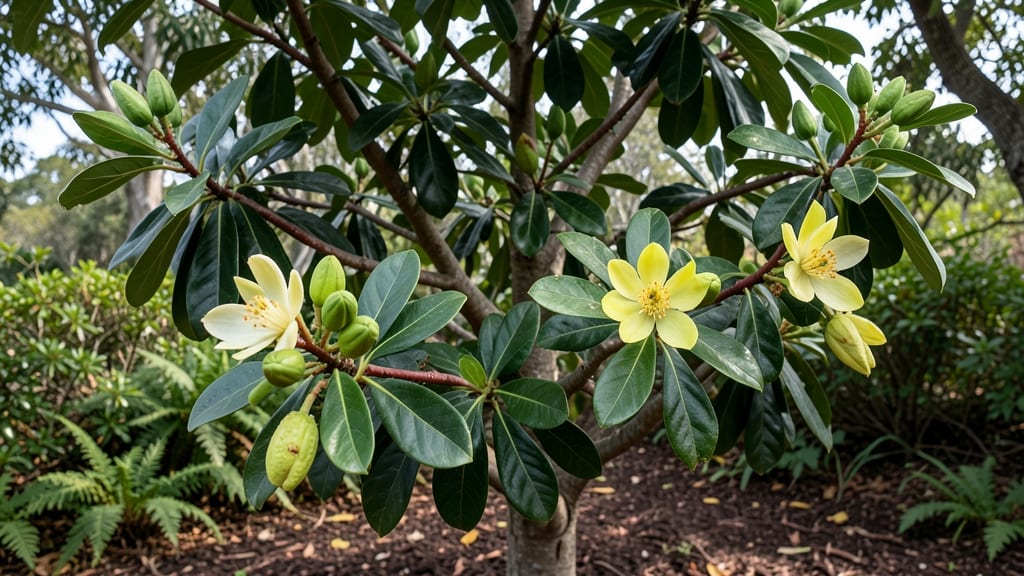
If you’ve ever watched an avocado tree 🥑 burst into bloom only to see most avocado flower stages fall off without a trace, you’re not alone—this is where 90% of gardeners lose their harvest before it starts.
The secret to turning those delicate blossoms into fruit lies in understanding the three critical stages of avocado flower development, and timing is everything.
Here’s the thing: avocado flowers don’t follow a one-size-fits-all schedule. Type A and Type B blooms operate on different calendars, and missing their pollination window means wasted energy.
Whether you’re in California’s coastal zones or Florida’s humidity, knowing when to look—and what to look for—can mean the difference between a bountiful tree and a barren one.
In this guide, I’ll break down each stage with clear visual cues, so you can spot the subtle signs of success (or failure) before your flowers fade. We’ll also tackle the biggest myths—like why some gardeners swear by hand-pollination—and reveal the simple tricks that actually work for home growers.
Ready to turn your avocado’s blooms into fruit? Let’s dive into the stages you’ve been missing—and how to optimize every one of them for a harvest you’ll actually enjoy.
3 Key stages of avocado flower development (with visual cues)
Avocado trees produce two distinct flower types: Type A and Type B, each with a unique blooming cycle. Understanding these three key stages of flower development helps you time pollination for maximum fruit set.
The process begins with bud formation and ends with either successful pollination or flower drop, depending on environmental conditions.
Stage 1 focuses on bud formation, where tiny green buds appear along the branches. These buds are sensitive to temperature fluctuations and require consistent moisture. Stage 2 involves full bloom, where flowers open and become visible to pollinators.
Finally, Stage 3 covers pollination and fruit set, where flowers either develop into fruit or drop off due to failed fertilization.
Here’s a breakdown of each stage, including visual identifiers and environmental triggers to help you monitor your tree’s progress accurately.
During Stage 1: Bud Formation, avocado trees require precise care to ensure buds develop properly. I’ve found that maintaining even soil moisture and avoiding sudden temperature drops prevents bud drop.
For example, if your region experiences a cold snap, cover young trees with frost cloth to protect emerging buds.
In Stage 2: Full Bloom, flowers open in either the morning (Type A) or evening (Type B). This stage is critical because it’s when pollinators like bees and avocado-specific wasps play their role.
If you notice fewer pollinators, consider planting bee-friendly flowers nearby, such as lavender or sunflowers, to attract them to your avocado tree.
By Stage 3: Pollination/Fruit Set, you’ll see flowers either drop off or begin swelling into tiny fruit. This is where many gardeners make mistakes by overwatering or applying too much nitrogen, which can cause fruit drop. Instead, focus on balanced fertilization and consistent watering to support developing fruit.
One common mistake is assuming all flowers will set fruit. In reality, only about 5-10% of flowers typically develop into mature avocados. To improve your chances, ensure you have both Type A and Type B trees in your garden, as they bloom at different times and cross-pollinate effectively.
If your avocado tree fails to set fruit, check for environmental stressors like drought, extreme heat, or poor soil drainage. For instance, I once had a tree with perfect blooms but no fruit—until I tested the soil and discovered it was waterlogged.
Amending the soil with compost and adjusting my watering schedule solved the issue.
For visual confirmation of each stage, use a hand lens or magnifying glass to inspect flower structures. In Stage 1, buds are tightly closed, while in Stage 2, petals unfurl to reveal the flower’s reproductive parts.
By Stage 3, successful pollination will show as a slight swelling at the base of the flower.
Pro tip: Take daily photos of your tree’s flowers during each stage. Comparing these images over time helps you spot patterns in your tree’s blooming cycle and adjust care accordingly. For example, you might notice that your tree blooms earlier in years with warmer winters
Understanding these three stages empowers you to intervene at the right moments—whether it’s protecting buds from frost, attracting pollinators, or supporting fruit development. With patience and attention to detail, you’ll maximize your avocado tree’s potential and enjoy a bountiful harvest year after year.
How to identify pollination success in avocado flowers
Spotting successful pollination in avocado flowers is like reading a tiny botanical story—each petal and pistil holds clues about whether your tree’s hard work will pay off. The first 7-10 days after blooming are the most critical, where 90% of fruit set decisions happen.
If you miss these signals, you might not realize your flowers were pollinated until it’s too late to intervene.
I’ve seen gardeners in California’s Zone 9b and Florida’s humidity struggle with the same issue: their avocado flowers drop without any fruit forming. The reason? They’re looking for the wrong signs.
Successful pollination isn’t just about bees buzzing around—it’s about specific physical changes in the flower’s structure that most growers overlook.
⚠️ Critical Mistake Alert
Don’t assume all avocado flowers will set fruit—Type A and Type B trees have different pollination windows. If you see flowers dropping after 3-5 days without swelling at the base, they likely weren’t pollinated. Hand-pollination can save up to 40% of blooms if done within 24 hours of opening.
Here’s what to watch for: Within 48 hours of pollination, the pistil (female part) will begin to swell slightly at the base, almost like a tiny bump forming.
This is your first visual confirmation that pollination worked. Ignore the petals—they’ll drop whether or not fertilization occurred, so focus on the reproductive structures.
By day 7-10, successful pollination becomes even clearer. Look for tiny green bumps where the flower once was—these are the developing avocado fruits. They’ll start as pea-sized and grow rapidly if conditions are right.
If you see no bumps and flowers keep falling, your tree needs help—whether it’s more pollinators, better timing, or manual assistance.
One common mistake I see is waiting too long to check. Many gardeners assume they have weeks to monitor flowers, but avocado pollination is a race against time. After 10 days without fruit bumps, the window closes for that bloom cycle.
That’s why I recommend checking your tree daily during peak bloom—especially if you’re in a low-pollinator area.
If you’re hand-pollinating, use a soft paintbrush to transfer pollen from male to female flowers in the morning when they’re damp with dew. Focus on Type A and Type B flowers separately—they don’t cross-pollinate easily.
With patience and attention to these key indicators, you’ll turn those delicate blooms into a harvest you can actually enjoy.