
Blooming
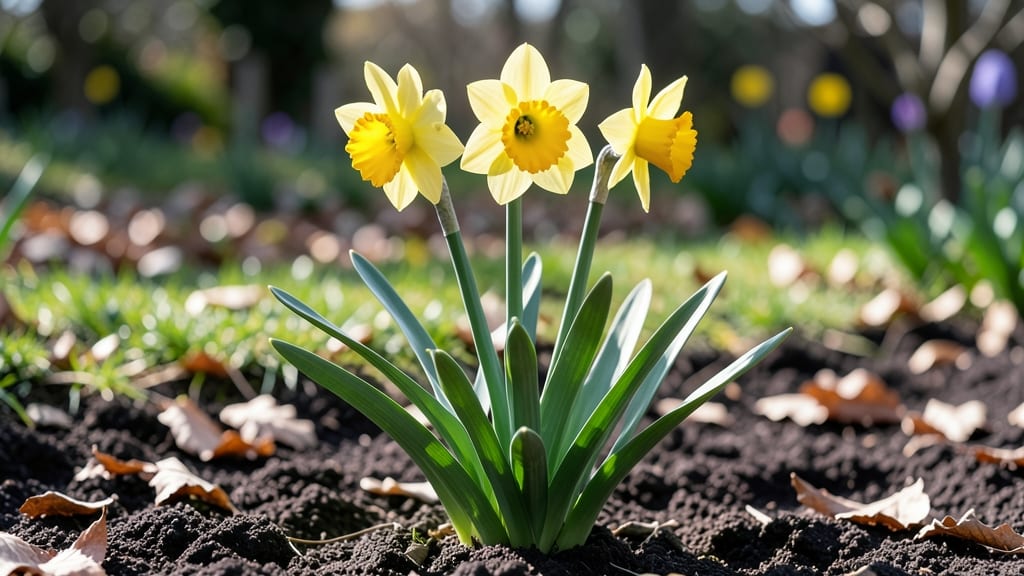
If you’ve ever planted daffodils only to be disappointed by late—or no—blooms, you’re not alone. The right variety for your climate can make all the difference, but even the perfect daffodil needs the right conditions to perform.
Let’s break down how to decode your zone’s chill hours and match them to the best bloomers for your garden.
From forcing early blooms indoors to troubleshooting stubborn bulbs that refuse to flower, I’ll share the game-changer tips that actually work. Whether you’re a seasoned gardener or just starting, you’ll learn how to extend your daffodil season and ensure those cheerful 🌼 faces appear right when you want them.
Ready to transform your garden into a timed bloom show? Let’s dive into the secrets behind perfect daffodil flowering—and how to make it happen in your yard.
How chill hours determine daffodil flowering time
Daffodils are famous for their cheerful blooms, but their flowering time isn't just about warm weather. The real secret lies in chill hours—the total time your bulbs spend in cool temperatures (0-10°C/32-50°F) before blooming.
Without enough, your daffodils might skip flowering entirely or bloom late. This hidden factor explains why some varieties burst into color in early spring while others wait until late spring or summer.
Think of chill hours like a dormancy requirement for daffodils. Just as some plants need a cold winter to break dormancy, daffodils require a specific number of hours below 10°C (50°F) to trigger their blooming cycle.
Skipping this step is like trying to bake a cake without turning on the oven—your bulbs won’t bloom properly. For most daffodils, this means 12-20 weeks of consistent cool weather, depending on the variety.
Why does this matter? If you live in a mild-winter climate (like USDA Zones 8-10), you might struggle with daffodils that need 15+ weeks of chill. Conversely, cold-climate gardeners (Zones 3-6) can grow almost any daffodil variety. Understanding your local chill hours helps you choose the right bulbs and plan your garden for the most stunning, timely blooms.
| Daffodil Type | Chill Hours Needed | Bloom Time | Best For Zones |
|---|---|---|---|
| Early Bloomers (e.g., 'Tête-à-Tête') | 8-12 weeks | Late winter/early spring | 6-10 (mild winters) |
| Mid-Season (e.g., 'Ice Follies') | 12-16 weeks | Spring (March-May) | 4-9 |
| Late Bloomers (e.g., 'Peach Sorbet') | 16-20+ weeks | Late spring/summer | 3-7 (cold winters) |
| Forced (Indoor) Varieties | 10-14 weeks (artificial chill) | Winter holidays | All zones (with chilling) |
To calculate your local chill hours, track temperatures below 10°C (50°F) from fall to winter. Use a weather station or online tools like the USDA Plant Hardiness Zone Map, which includes chill-hour data.
For example, Zone 7 typically accumulates 15-20 weeks of chill, while Zone 9 might only hit 8-12 weeks. If your zone falls short, opt for low-chill varieties like 'Tête-à-Tête' or try artificial chilling for indoor forcing.
Regional differences play a huge role. Gardeners in Pacific Northwest or New England can grow almost any daffodil, thanks to long, cold winters. But in Southern California or Florida, you’ll need to choose heat-tolerant, low-chill varieties or plant bulbs in shaded, cooler microclimates.
Even within a zone, elevation matters—mountain areas often get more chill hours than valleys.
Pro tip: Plant daffodils in fall (September-November) to ensure they get their required chill hours before spring. Bulbs need 6-8 weeks in the ground before freezing temps arrive. If you’re forcing daffodils indoors for holidays, stratify bulbs by refrigerating them for 10-14 weeks at 35-45°F (2-7°C) before potting.
What if your daffodils still don’t bloom? Check for insufficient chill hours, overcrowded bulbs, or poor drainage. Some gardeners in warm climates use vermiculite or sand to mimic winter conditions or plant bulbs in shaded, elevated beds to keep them cooler.
With the right chill hours, your daffodils will reward you with vibrant blooms at exactly the right time.
Understanding chill hours transforms daffodil gardening from guesswork to precision. Whether you’re a first-time planter or a seasoned gardener, matching your bulbs to your climate’s chill hours ensures your garden bursts into color when you want it most.
Start tracking those cool nights—your daffodils will thank you with perfectly timed blooms! 🌼
Best daffodil varieties for your climate’s chill hours
Not all daffodils bloom at the same time, and that’s because they need different amounts of chill hours (those cold winter nights between 32-50°F) to trigger their flowers.
If you live in a mild-winter zone like Zone 8, you’ll want varieties that need fewer chill hours, while cold-climate gardeners in Zone 5 can handle tougher, longer-chilling types.
The right choice means timed blooms that brighten your garden exactly when you want them—whether that’s early spring cheer or late-winter pops of color.
Forcing daffodils indoors? Some varieties are bred specifically for this, blooming weeks earlier than outdoor types. Others thrive in the ground, pushing through snow for early-season drama. Below, I’ve matched the best daffodils to your chill-hour zone, so you can plan your garden like a pro.
Whether you’re chasing February blooms or extending your season into May, there’s a perfect daffodil for your climate.
If you’re in a warmer zone like Southern California or Florida, varieties like Tête-à-Tête or Minnow are your best bets—they need fewer chill hours and bloom reliably even in mild winters.
For colder regions like the Pacific Northwest or Midwest, Ice Follies or Carlton thrive, pushing through snow for dramatic early blooms. Pro tip: Plant multiple varieties to extend your daffodil season from February through May!
Forcing daffodils indoors? Tête-à-Tête and Minnow are top performers, blooming in pots as early as February if you plant them in fall and refrigerate them for 10-12 weeks. Just dig up bulbs after their first bloom, let them dry, then replant them outside in fall for next year’s show.
It’s like having a reset button for your bulbs!
Ready to pick your perfect daffodil? Start by checking your USDA zone and chill-hour range—most garden centers list this info. Then, match your climate to the table above and plant in fall (6-8 weeks before your first frost) for next spring’s showstopping blooms. Happy planting! 🌼