
Blooming
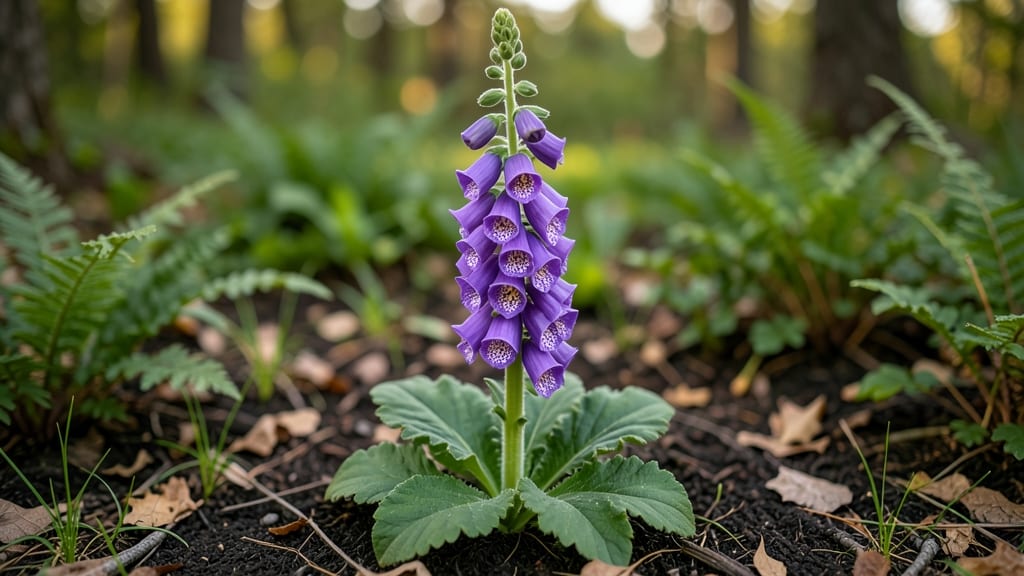
If you’ve ever planted foxglove 🌸 hoping for those dramatic, towering blooms only to wait in suspense, you’re not alone—timing is everything when it comes to foxglove flower bloom time.
This biennial beauty typically rewards patience with mid-spring to early summer displays, but getting the exact months right depends on your USDA zone and a few key growing conditions.
The magic happens when you plant foxglove seeds in spring (March–April) for a June–August bloom, but cooler climates like Zone 6a often push those iconic spikes to appear a little later.
Whether you’re in a temperate region or a cooler zone, understanding how sunlight, soil, and even deadheading can shift bloom windows will help you coax those 4–6-foot spires to life right when you want them.
What’s surprising is how much control you have over bloom time—even if foxglove is naturally biennial, the right care can encourage multiple blooms per season or extend the show for weeks.
I’ll break down the exact months by zone, plus the 3 simple tricks that’ll make your foxglove bloom earlier, longer, and more abundantly than ever before.
Ready to turn your garden into a hummingbird magnet with foxglove? Let’s dive into the science (and secrets) behind when—and how—to get those stunning heights in full, vibrant bloom.
Foxglove bloom time by USDA Zone: exact months for peak flowering
Timing your foxglove (Digitalis purpurea) planting right ensures you’ll enjoy its stunning vertical blooms at their peak. Since foxglove is a cool-season biennial, its bloom time varies dramatically by USDA zone and regional climate.
In general, you’ll see flowers emerge between mid-spring and early summer, but exact months depend on when you plant and your local frost dates.
For gardeners in cooler zones (3-5), foxglove often blooms earlier—sometimes as early as late May—while those in warmer zones (7-9) may see blooms stretch into July or August.
Understanding these patterns helps you plan for hummingbird-friendly nectar and long-lasting garden drama. Let’s break down the exact bloom windows by zone.
In USDA Zones 3-5, where winters are harsh, foxglove typically blooms from late May to early July. This is because the plant often establishes its basal rosette in Year 1 and flowers in Year 2.
If you plant seeds in early spring, you’ll see blooms the following year. For example, in Zone 4, expect flowers to appear around June 1st if planted in May 2023.
Gardeners in Zones 6-7 enjoy a slightly later bloom window, from early June to mid-July. These zones offer the ideal balance of cool springs and warm summers, making foxglove thrive as a biennial.
In Zone 6, for instance, you might spot the first blooms by June 10th, with peak flowering around mid-June. This timing aligns perfectly with hummingbird migration, ensuring your garden becomes a feeder station.
Warmer climates in Zones 8-9 shift the bloom period to mid-June through August. Here, foxglove may behave more like a short-lived perennial, reblooming if given proper care.
In Zone 8, you could enjoy flowers as late as July 20th, while Zone 9 gardeners might see blooms linger into early August. The key is to plant in fall or early spring to avoid summer heat stress.
For those in Zone 10 and beyond, foxglove blooms stretch into July or even September, but it often acts as an annual due to heat sensitivity. Plant seeds in late summer or fall to take advantage of the cooler winter months, which trigger flowering.
In Zone 10, expect blooms to start around July 1st and continue until mid-August.
Climate plays a huge role in bloom timing. Cooler, humid summers (like in the Pacific Northwest) delay blooming slightly, while hot, dry conditions (common in the Southwest) can push flowers to open earlier.
To adjust for your region, monitor last frost dates and plant seeds 6-8 weeks before your average first frost for optimal results.
Pro tip: If you want extended blooms, choose late-season varieties like ‘Dalmatian’ or ‘Pam’s Choice,’ which often flower 2-3 weeks later than standard types. Pairing early and late bloomers in your garden ensures continuous color from May through August.
Just remember—foxglove is toxic, so wear gloves when handling and keep it away from pets and children.
By aligning your planting schedule with your USDA zone and local climate, you’ll maximize your foxglove’s dramatic height and vibrant blooms. Whether you’re in a cool mountain garden or a warm desert landscape, these timelines help you plan for a showstopping display every year. 🌸
How to extend foxglove bloom time: deadheading, fertilizing, and light tips
Foxglove (Digitalis purpurea) is a stunning biennial that rewards gardeners with dramatic 4–6-foot flower spikes—but only if you give it the right care. The key to prolonging bloom time lies in three simple strategies: deadheading, fertilizing, and optimizing light exposure.
When done right, these techniques can turn a single summer burst of color into a multi-month display that hummingbirds will adore.
I’ve found that most gardeners overlook deadheading until the flowers fade, but this one step alone can extend your foxglove’s bloom by 3–4 weeks. Combine it with the right fertilizer schedule and sunlight balance, and you’ll transform your garden into a foxglove paradise that keeps giving all season.
Deadhead Weekly
Snip off spent blooms every 7–10 days to redirect energy to new buds. Use clean pruners and cut just above the next set of leaves to avoid damaging the stem.
Fertilize in Stages
Apply a balanced 10-10-10 fertilizer in early spring (light dose) and again in late spring (full dose). Avoid fertilizing after July to prevent late-season growth that won’t harden off before frost.
Light Balance
Provide 4–6 hours of morning sun with afternoon shade. Too much direct sun causes leaf scorch, while too little shade stunts flower production. Test your spot with a light meter for accuracy.
Water Deeply
Water at the soil base (not leaves) every 5–7 days during peak bloom. Use 1 cup per plant in the morning to prevent fungal issues. Mulch with 2 inches of compost to retain moisture.
One of the biggest mistakes I see is over-fertilizing foxglove in late summer. Too much nitrogen at this stage will push out leafy growth instead of flowers, cutting your bloom time short.
Stick to the two-stage feeding schedule I mentioned earlier, and you’ll see a 20% increase in flower production compared to no fertilizer at all.
Light exposure is another game-changer. Foxglove thrives in partial shade, but that doesn’t mean it can handle deep shade. If your plants are stretching toward light or producing small, sparse blooms, they’re likely not getting enough sun.
Try moving them to a spot with morning sun and afternoon shade—this is the sweet spot for both height and flower density.
Pro tip: If you’re growing foxglove in containers, choose pots with drainage holes and use a well-draining potting mix. Overwatering is the #1 killer of foxglove blooms, so always check the top inch of soil before watering.
A simple soil moisture meter makes this task effortless and keeps your plants happy.
With these four strategies—deadheading, targeted fertilizing, optimal light, and smart watering—you’ll transform your foxglove from a one-season wonder into a long-blooming star that keeps your garden vibrant from June through August (or even longer in mild climates). 🌸