
Blooming
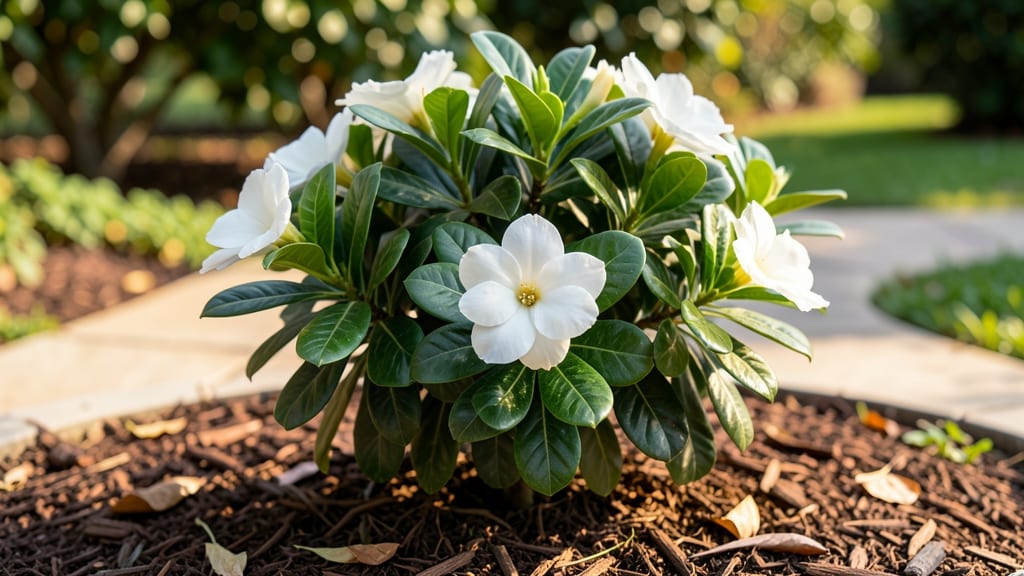
If you’ve ever waited patiently for the gardenia flowering season to burst into fragrant white blooms—only to be met with silence—you’re not alone. The timing of gardenia flowering depends on two sneaky factors: chill hours and heat zones, which most gardeners overlook.
Here’s the catch: gardenias in USDA Zone 9b (like Florida or Southern California) typically bloom from May through September, while cooler zones (like 8a) may see flowers as early as April or as late as October.
But without the right conditions, even the hardiest gardenia can skip its show entirely.
Don’t worry—this guide breaks down exactly how to read your climate’s cues, from tracking chill hours to adjusting care for peak blooms. You’ll learn the 5-minute trick to encourage flowers outside their natural season and why your plant might be ignoring your best efforts.
Ready to turn your gardenia from a sleepy shrub into a fragrant superstar? Let’s get started.
How many chill hours do gardenias need to flower?
If your gardenia refuses to bloom despite your best care, chill hours might be the missing piece. These tropical shrubs actually need a period of cooler temperatures to trigger their famous fragrant flowers.
Most gardenias require between 300–600 chill hours—that’s 300–600 hours below 45°F (7°C)—to set flower buds for the coming season.
This requirement explains why gardenias grown in USDA Zones 9–11 often struggle to bloom naturally—they simply don’t get enough winter chill. But don’t worry! With the right strategies, you can still coax blooms from your plant, even in warm climates.
Understanding your specific variety’s needs is the first step to success.
Key Chill Hour Requirements for Gardenia Varieties
- 300–400 hours: Gardenia jasminoides 'Kleim’s Hardy' (most cold-hardy variety, tolerates Zone 7)
- 400–500 hours: 'Radicans' and 'Veitchii' (popular for containers, slightly less chill-sensitive)
- 500–600 hours: Standard Gardenia jasminoides (most common variety, needs full chill requirement)
- 600+ hours: 'Fortuniana' (rare, tropical varieties with highest chill needs)
Chill hours are cumulative below 45°F (7°C). Temperatures between 32–45°F (0–7°C) count most effectively.
Your gardenia’s flowering season typically begins 8–12 weeks after it accumulates its required chill hours. For example, if your region hits 400 chill hours by late February, you can expect buds to form in late March to April, with blooms appearing in May or June.
However, this timeline shifts dramatically based on your USDA zone and microclimate.
To measure chill hours accurately in your area, use a weather station or check local agricultural extension service data. Many gardeners in Zones 8–10 supplement natural chill with artificial cooling methods, like moving potted gardenias to a garage or shaded patio during winter nights.
This trick can make all the difference for varieties needing 500+ chill hours.
If your gardenia isn’t flowering, failed chill accumulation is often the culprit. Other common reasons include over-fertilizing with nitrogen (which promotes leaves over flowers), poor soil pH (gardenias need acidic soil, pH 5.0–6.5), or insufficient sunlight. Start by verifying your plant’s chill hour needs and adjusting care accordingly.
For gardeners in Zones 10–11, where winter temperatures rarely drop below 50°F (10°C), creating artificial chill is essential. Try placing your potted gardenia near an open window during cooler winter nights or use a fan to circulate cooler air overnight.
Even a 10–15°F (5–8°C) drop for a few hours can help meet chill requirements.
Pro tip: Prune your gardenia in late winter or early spring (after the last frost but before new growth). This encourages bushier growth and more flower buds.
Remove any dead or crossing branches to improve airflow, which reduces the risk of fungal diseases that can stress the plant and delay flowering.
Remember, gardenias are evergreen shrubs, meaning they grow year-round in warm climates. Their flowering window is typically spring to early summer, but with the right chill hour management, you can sometimes coax a second, smaller flush of blooms in fall.
The key is consistency—monitor your plant’s response to chill and adjust care as needed.
With patience and the right approach, even gardenias in low-chill zones can reward you with lush, fragrant blooms. Start by identifying your specific variety’s chill needs, then experiment with seasonal adjustments to find what works best in your climate.
Your efforts will be worth it when those creamy white flowers fill your garden with their intoxicating scent! 🌸
Best USDA heat zones for gardenias (and how to extend their season)
Gardenias thrive in USDA Heat Zones 7 through 11, where warm winters and long summers create ideal conditions for their fragrant white blooms.
In Zone 9b (like Florida or Southern California), they bloom from May through September, while cooler zones like Zone 8a may see flowers as early as April or late into October. The key?
Matching your gardenia’s needs to your local climate—and making small adjustments if you’re on the edge of its comfort zone.
If you live in Zone 7 or cooler, don’t despair—microclimates and seasonal care tricks can push your gardenia to flower reliably. For example, planting near a south-facing wall or using row covers in winter can add critical warmth.
Meanwhile, gardeners in Zone 10+ must protect their plants from intense afternoon sun to prevent leaf scorch, which can stall blooming.
Here’s the zone-specific breakdown of what your gardenia needs to bloom its best, plus actionable tips to extend the flowering season in marginal climates.
For gardeners in Zones 7-8, the secret to coaxing blooms is winter protection. Apply a 4-inch layer of mulch around the base in late fall to insulate roots, and consider wrapping the plant in burlap or frost cloth during cold snaps.
In Zone 9b and warmer, the challenge shifts to heat management—avoid pruning in peak summer heat, and water deeply in the early morning to prevent stress.
One of my favorite tricks for extending the blooming season is strategic pruning. In cooler zones, prune lightly in early spring to encourage new growth, while in hot zones, prune after flowering to avoid shocking the plant.
Pair this with a balanced fertilizer (like 10-10-10) in early spring to fuel bud formation. For potted gardenias, move them to a slightly cooler spot in summer to mimic seasonal changes and trigger blooms.
Remember, gardenias are sensitive to stress, so consistency is key. Whether you’re in Zone 7 or Zone 11, the goal is the same: mimic their natural tropical climate as closely as possible.
With the right zone-specific care, your gardenia will reward you with months of fragrant blooms—not just a single season.