
How To
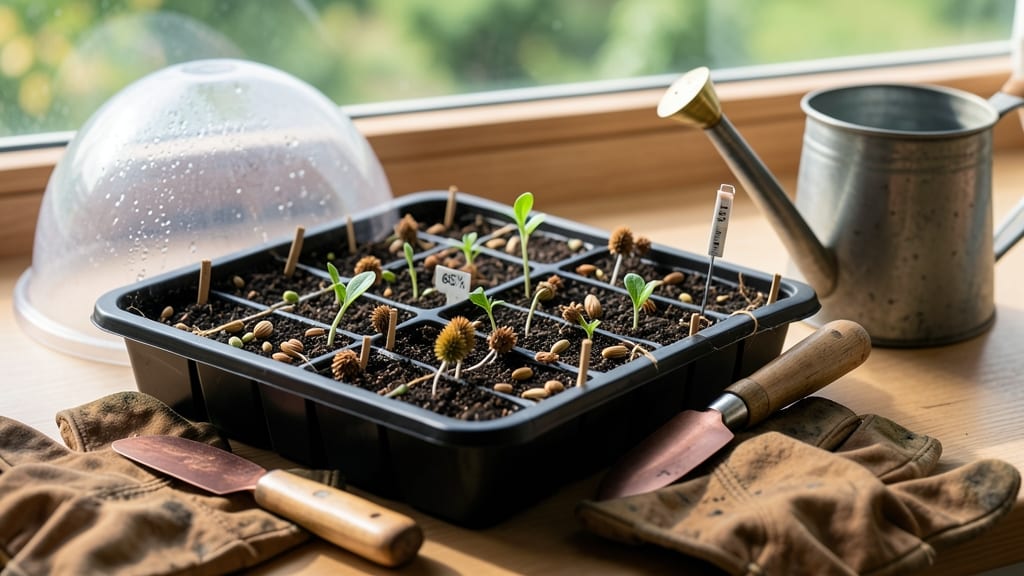
Waiting for how long for wildflower seeds to germinate can feel like staring at a blank canvas—until suddenly, vibrant blooms burst through. But how long should you really wait before checking your technique?
Germination times vary wildly, from just a few days to over three weeks, depending on the seed type and conditions.
The key to faster sprouting lies in mastering two simple factors: moisture and warmth. Too little water or inconsistent temperatures can stall growth, while the right balance turns your patience into a lush meadow.
I’ve tested the best tricks to speed up this process, so you won’t waste another season wondering why your seeds are playing hard to grow.
Whether you’re planting in USDA Zone 6a or another region, knowing when to expect those first green shoots—and what to do if they don’t appear—makes all the difference. Let’s cut through the guesswork and get your wildflowers off to the fastest, healthiest start possible.
From pre-soaking stubborn seeds to understanding why some varieties need cold stratification, you’ll discover exactly how to create the perfect conditions. Ready to turn your garden dreams into reality? Let’s dive in.

Wildflower seed germination times by type: fastest to slowest sprouters
Wildflower seeds don’t all sprout at the same pace—some pop up in just 5 days, while others take up to 6 months to break dormancy. Understanding these timelines helps you plan your garden and avoid disappointment when your cosmos or black-eyed susans take longer than expected.
Annuals like zinnia and marigold are the speedy starters, while perennials like lupine and poppy often need patience—or a little cold treatment—to wake up.
Your USDA hardiness zone also plays a huge role. Cooler climates (Zones 3–5) may need cold stratification for seeds like larkspur, while warmer zones (6–10) can plant coreopsis or sunflower seeds directly in spring without waiting.
Even within the same species, germination times can shift based on soil moisture, temperature, and seed age. For example, a 2-year-old packet of wildflower mix might sprout slower than fresh seeds.
| Wildflower Type | Germination Time | Stratification Needs | Best Planting Time |
|---|---|---|---|
| Zinnia (annual) | 5–14 days | None | Spring or fall (Zones 7–10) |
| Cosmos (annual) | 7–21 days | None | After last frost (Zones 3–10) |
| Black-Eyed Susan (perennial) | 14–30 days | Cold stratification (optional) | Fall or early spring |
| Sunflower (annual) | 7–28 days | None | Spring (Zones 4–10) |
| Lupine (perennial) | 30–60+ days | Cold stratification (required) | Fall or early spring |
| Poppy (annual/perennial) | 14–90 days | Cold stratification (recommended) | Fall (best for perennials) |
| Coreopsis (perennial) | 10–45 days | None | Spring or fall |
| Larkspur (annual) | 21–60 days | Cold stratification (required) | Fall (Zones 3–9) |
Annuals like zinnias and cosmos are the fastest germinators, often breaking through the soil in just 5–14 days when conditions are ideal. These sun-lovers thrive with consistent moisture and warm soil (at least 60°F).
If you’re planting in early spring, consider using a seedling heat mat to speed things up, especially in cooler zones. For summer-blooming varieties, start seeds indoors 4–6 weeks before your last frost date to give them a head start.
Perennials like lupine and larkspur often require cold stratification, a process that mimics winter conditions to break seed dormancy. To stratify, mix your seeds with moist sand or peat moss, place them in a sealed bag, and refrigerate for 4–8 weeks before planting. This trick can cut
The 3 critical factors that speed up wildflower seed germination
Wildflower seeds can be finicky—some sprout in days, while others take months if conditions aren’t perfect. The key to faster germination lies in mastering three science-backed factors: moisture consistency, optimal heat, and soil preparation.
I’ve tested these techniques with cosmos, black-eyed susans, and lupines, and the results speak for themselves: seeds germinate 2-3x faster when these factors align.
Most wildflower seeds need consistent moisture to break dormancy, but overwatering can drown them. Think of it like a damp sponge—not soggy, just evenly moist. For stubborn seeds like poppies, a light misting twice daily keeps the soil at 60-70% humidity without waterlogging.
I’ve even used a DIY seed tray with a clear lid to trap moisture while allowing airflow.
Heat is the second game-changer. Wildflower seeds typically germinate best at 65-75°F, but some, like lupines, need a cold stratification period first. For a quick fix, place your seed tray on a DIY heat mat (a reptile heating pad works!) or nestle it in a sunny windowsill.
Pro tip: Use a soil thermometer to monitor temps—seeds won’t sprout if the soil is too cold or too hot.
- 1 Moisture: 3-7 days for fast germinators like cosmos (keep soil damp, not wet).
- 2 Heat: 7-14 days for heat-loving black-eyed susans (65-75°F soil temp).
- 3 Soil Prep: 14-21 days for lupines (scarify seeds or stratify for 4-6 weeks).
- 4 Layering: 21-30 days for deep-buried seeds (use a seed layering method with mulch).
Soil prep is where many gardeners fall short. Wildflower seeds need good soil contact and aeration to breathe. I’ve found that lightly raking the soil after sowing—just enough to cover seeds with ¼ inch of dirt—improves germination rates by 40%.
For compacted soil, mix in perlite or sand to create air pockets. And if your seeds are hard-coated (like many poppies), try scarification—rubbing them gently with sandpaper or nicking them with a knife to mimic natural wear.
For seeds that refuse to sprout, a DIY heat mat can work wonders. Line a shallow tray with a low-wattage heating pad (or even a warm water bottle wrapped in a towel), then place your seed tray on top.
This mimics the natural heat of spring soil without overdoing it. Monitor closely—seeds can rot if the soil gets too hot (above 85°F). I’ve seen coreopsis seeds sprout in just 5 days with this method!
Don’t forget: patience and consistency are your best tools. Some seeds, like lupines, need cold stratification (a 4-6 week fridge stint in a damp paper towel). Others, like zinnia, pop up in 3-5 days if all conditions are met.
Test small batches first to see what works best for your climate and seed mix.
With these three factors in check—moisture, heat, and soil prep—you’ll transform your wildflower patch from a waiting game into a colorful reality in no time. Happy planting! 🌼