
Flowers
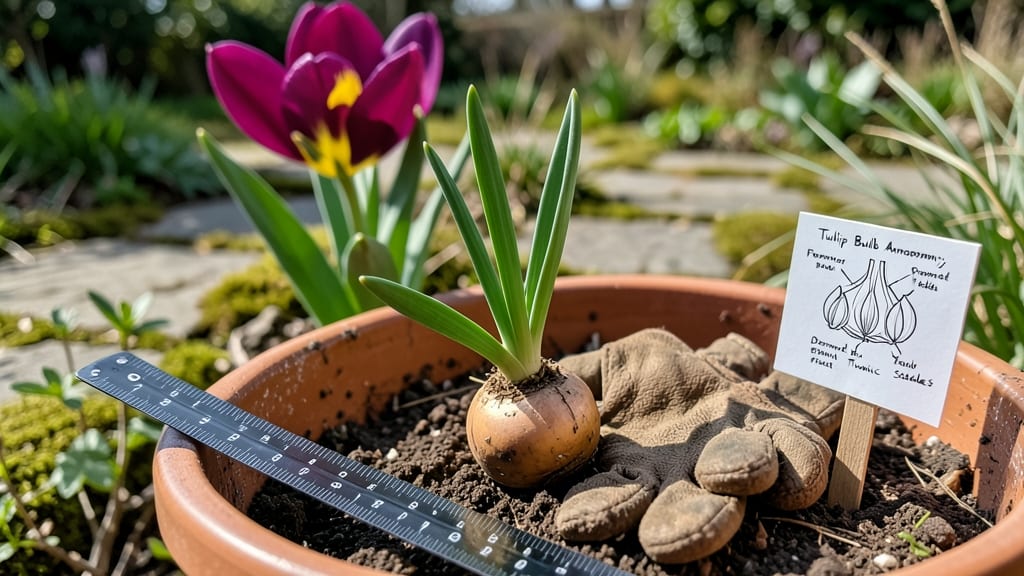
If you’ve ever planted a single tulip bulb and wondered how many flowers per tulip bulb you can expect, the answer might surprise you. Most gardeners assume one bulb equals one flower, but the truth is far more exciting—and it all depends on the variety you’re growing.
Some tulips, like the showy Darwin Hybrids, can produce up to 5 flowers per bulb, while others, such as the delicate Fringed Tulips, might yield just one or two. Knowing these differences isn’t just trivia—it’s the key to planning a garden that wows every spring.
In this guide, I’ll break down exactly how many flowers to expect from each popular type, plus the simple tricks to coax even more blooms from your bulbs. Whether you’re a first-time planter or a seasoned gardener, these insights will help you maximize your spring display without overcrowding your beds.
Ready to turn your tulip dreams into reality? Let’s dive into the numbers—and how to get the most out of every bulb you plant.
How many flowers per tulip bulb: exact counts by popular variety
When planning your spring garden, knowing how many flowers per tulip bulb to expect helps create stunning displays without overcrowding. Most gardeners assume one flower per bulb, but the truth varies dramatically by variety.
For example, a single Darwin Hybrid tulip bulb can produce up to 5 flowers per stem, while a Fringed tulip may yield just one. Understanding these differences ensures you plant the right varieties for your vision—whether it's a bold statement border or delicate cottage charm.
Tulip blooms per bulb also depend on bulb size, age, and growing conditions. A large, mature bulb (60mm+) often produces more flowers than a small one (40mm). Even within the same variety, first-year blooms may be fewer than subsequent years.
For instance, Parrot tulips, known for their dramatic, ruffled petals, typically yield 1-2 flowers per bulb, but their striking appearance makes them worth the wait. Let's break down the exact counts for popular varieties so you can plan with confidence.
🌷 Pro Tip: Always plant bulbs in well-draining soil and full sun (6+ hours daily) to maximize flower counts. Poor drainage or shade can reduce blooms by 30-50%.
If you're aiming for a high-impact display, Darwin Hybrid tulips are
Factors that affect tulip flower production: beyond the bulb
If you’ve ever planted tulip bulbs and wondered why some produce multiple flowers while others yield just one, the answer lies in factors beyond the bulb itself.
The size of the bulb, planting depth, sunlight exposure, and soil quality all play critical roles in determining how many blooms you’ll see each spring.
For example, a large Darwin Hybrid bulb can produce up to 5 flowers, while a small species tulip might yield just one—unless you optimize these variables.
Let’s break down these key factors so you can maximize your tulip blooms. Understanding how each element impacts flower production will help you create the perfect conditions for your bulbs to thrive. Whether you’re working with full sun gardens or partial shade spots, these insights will transform your spring displays.
🌷 PROS-CONS BOX: Maximizing Tulip Blooms
DO: Optimize for More Flowers
- ✅ Use large bulbs (60mm+ diameter) for 3-5 flowers per stem
- ✅ Plant in full sun (6+ hours) for maximum energy production
- ✅ Ensure well-draining soil to prevent bulb rot and stress
- ✅ Plant at 6-8 inches deep for optimal root development
DON'T: Common Mistakes to Avoid
- ❌ Use small bulbs (40mm) expecting 2+ flowers—they often yield just 1
- ❌ Plant in shade or partial sun, which reduces blooms by 30-50%
- ❌ Overcrowd bulbs—space them 4-6 inches apart for better airflow
- ❌ Plant too shallow (4 inches deep) or deep (10+ inches), which stresses bulbs
The size of your tulip bulb is one of the most critical factors in determining flower count. A large bulb (60mm+ diameter) can produce 3-5 flowers per stem, while smaller bulbs (40-50mm) often yield just 1-2 flowers.
For example, Darwin Hybrid tulips are known for their prolific blooming, often producing multiple stems per bulb when given ideal conditions. If you’re planting for a dramatic display, prioritize larger bulbs and prepare for a burst of color.
Sunlight exposure directly impacts a tulip’s ability to produce flowers. Tulips thrive in full sun (6+ hours daily), which gives them the energy to develop strong stems and multiple buds. In partial shade (3-6 hours of sun), you’ll likely see fewer blooms—sometimes as few as 1-2 flowers per bulb instead of the 3-5 possible in full sun. If your garden has limited sunlight, consider planting shade-tolerant varieties like Fringed Tulips, though they’ll still produce fewer blooms than sun-lovers.
Soil quality might seem like a minor detail, but it’s essential for healthy bulb development. Tulips need well-draining soil to prevent rot, which can kill the bulb before it even flowers. Amend heavy clay soil with compost or sand to improve drainage, and avoid soggy conditions.
Additionally, adding a balanced fertilizer (10-10-10) in early spring can boost bloom production by providing the nutrients needed for strong stems and abundant flowers. Just be sure not to over-fertilize, as this can lead to weak stems that flop under the weight of multiple blooms.
Finally, planting depth affects how well your tulip bulbs establish roots and produce flowers. Planting too shallow (4 inches deep) can expose bulbs to temperature fluctuations and pests, while planting too deep (10+ inches) can stunt growth.
The ideal depth is 6-8 inches, with the pointy end facing upward. This ensures the bulb has enough soil coverage to stay cool and moist while allowing roots to spread freely.
When planted correctly, your bulbs will focus their energy on producing strong stems and multiple flowers rather than struggling to survive.