
Size
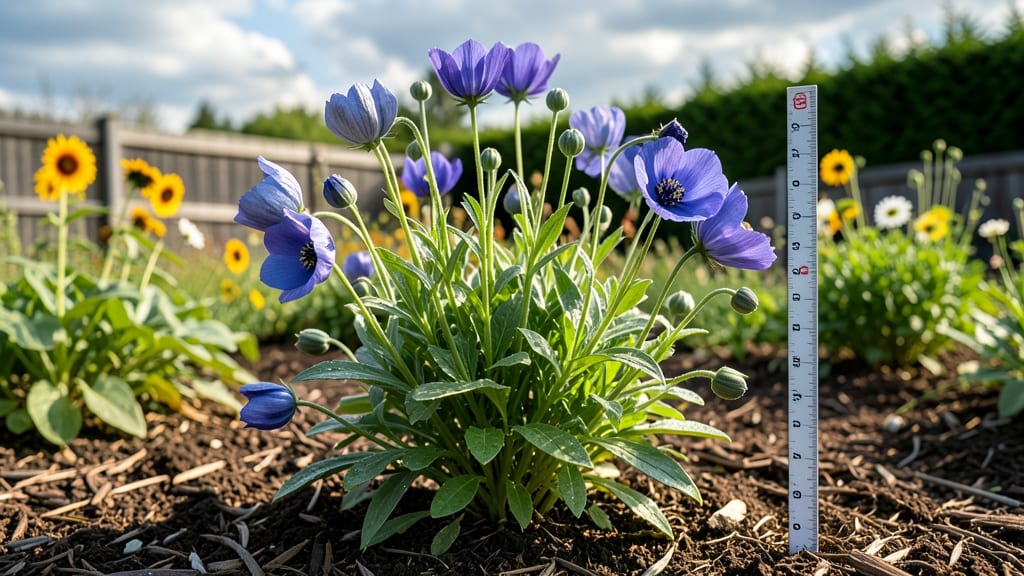
Wondering how tall do balloon flowers get before they steal the show in your garden? These charming 🌸 plants can surprise you with their mature height—some varieties stretch gracefully toward the sky while others stay compact and tidy.
If you're planning your garden layout, knowing their growth range is key. Balloon flowers typically reach between 1 to 3 feet at maturity, but their final height depends on factors like variety, sunlight, and soil quality. The right conditions can help them thrive without overpowering your space.
Whether you're working with a small backyard or a cozy container garden, understanding their growth habits lets you place them perfectly. I'll share how to encourage their ideal height and pair them with companion plants that complement their size.
Let’s dive into the details so you can create a stunning display that fits your garden vision—no guesswork required!

Balloon flower height by variety: from compact to towering
Balloon flowers (Platycodon grandiflorus) are one of my favorite perennials for their unique, balloon-shaped buds and vibrant blooms. But how tall do balloon flowers get? The answer depends entirely on the variety you choose, since heights can range from compact 1-foot shrubs to towering 3-foot plants.
Understanding these differences helps you plan your garden layout and companion plantings for optimal growth.
Most balloon flower varieties thrive in USDA zones 3–9, making them versatile for nearly any climate. However, their mature height often correlates with sunlight exposure—full sun encourages taller growth, while partial shade keeps plants more compact.
Let’s explore the most popular cultivars and their typical heights to help you select the perfect fit for your garden space.
| Variety | Mature Height | Ideal Zones | Sunlight Needs | Spacing |
|---|---|---|---|---|
| 'Astra Double' | 12–18 inches | 3–9 | Full sun to partial shade | 12–18 inches apart |
| 'Blue Boy' | 18–24 inches | 3–8 | Full sun | 18–24 inches apart |
| 'Fuji Pink' | 24–30 inches | 4–9 | Full sun | 24 inches apart |
| 'Mariesii' | 30–36 inches | 3–8 | Full sun to partial shade | 30 inches apart |
| 'White Dawn' | 20–24 inches | 3–9 | Partial shade | 18–24 inches apart |
For small gardens or containers, varieties like 'Astra Double' or 'White Dawn' are ideal—they stay under 2 feet tall and fit perfectly in window boxes or mixed borders.
If you’re aiming for a backyard focal point, 'Mariesii' reaches up to 3 feet and pairs beautifully with taller perennials like delphiniums or hollyhocks.
When planting, always space balloon flowers according to their mature height to ensure proper air circulation and prevent disease. For example, 'Fuji Pink', which grows 24–30 inches tall, needs 24 inches of space between plants, while 'Blue Boy' can handle slightly closer spacing at 18–24 inches.
This prevents overcrowding and encourages stronger stems.
One of my favorite tricks for managing height is to plant taller varieties like 'Mariesii' at the back of borders and shorter ones like 'Astra Double' in the front. This creates a layered effect while keeping the garden visually balanced.
In USDA zone 9, where summers can be intense, I also recommend providing afternoon shade to prevent leggy growth.
Balloon flowers are also excellent for cut flower arrangements, so their height matters if you plan to harvest blooms. Taller varieties like 'Fuji Pink' or 'Mariesii' provide dramatic stems for bouquets, while shorter types like 'White Dawn' work well in smaller arrangements or as filler in mixed bouquets.
If you’re growing balloon flowers in containers, opt for dwarf varieties or prune taller types regularly to keep them manageable. A 12-inch pot works well for 'Astra Double', while larger containers (18+ inches) can accommodate 'Fuji Pink' or 'Blue Boy' with proper pruning.
Remember, balloon flowers are perennials, so their height may increase slightly each year as they establish deeper roots. Mulching around the base in early
How to control balloon flower height for smaller gardens
Balloon flowers (Platycodon grandiflorus) can reach 2 to 3 feet tall in ideal conditions, but their height is flexible with the right care. If your garden space is limited, you can encourage compact growth through simple techniques.
The key is balancing pruning, staking, and companion planting to keep your plants manageable without sacrificing those stunning balloon-shaped blooms.
Many gardeners assume taller plants mean more flowers, but balloon flowers thrive when given proper support and spacing. By controlling their height early, you’ll create a neater, more controlled display while still enjoying abundant blooms.
Whether you’re working with containers or small beds, these methods will help you manage their growth effectively.
Start with proper pruning to control height. After the first flush of blooms, cut back one-third of the stems to encourage bushier growth. This method prevents over-tall growth while stimulating more side shoots.
Always use clean, sharp shears to avoid damaging the plant, and prune in the morning to allow wounds to heal quickly.
For tall, leggy stems, use lightweight stakes or cages to support the plants. Unlike heavy bamboo stakes, opt for flexible, decorative options that won’t obstruct sunlight. Secure the stems gently with soft ties or fabric strips to avoid cutting into the stems as they grow.
This keeps the plant upright and prevents flopping in windy conditions.
Companion planting is another effective way to manage height. Pair balloon flowers with low-growing perennials like ajuga or creeping thyme to fill in gaps and create a balanced garden layer.
Avoid planting near aggressive spreaders like mint, which can crowd and stunt growth. Instead, choose compatible companions that thrive in similar conditions.
Finally, monitor your watering and fertilization habits. Over-fertilizing can lead to excessive leafy growth at the expense of blooms, while underwatering can stress the plant and cause leggy stems. Aim for consistent moisture without soggy soil, and use a balanced fertilizer (like 5-10-10) sparingly during the growing season.
With these techniques, you’ll enjoy neat, well-proportioned balloon flowers that fit perfectly in small gardens or containers. The secret is early intervention—prune, stake, and companion plant before the stems get too tall, and you’ll have a compact, blooming beauty all season long. 🌸