
Plants
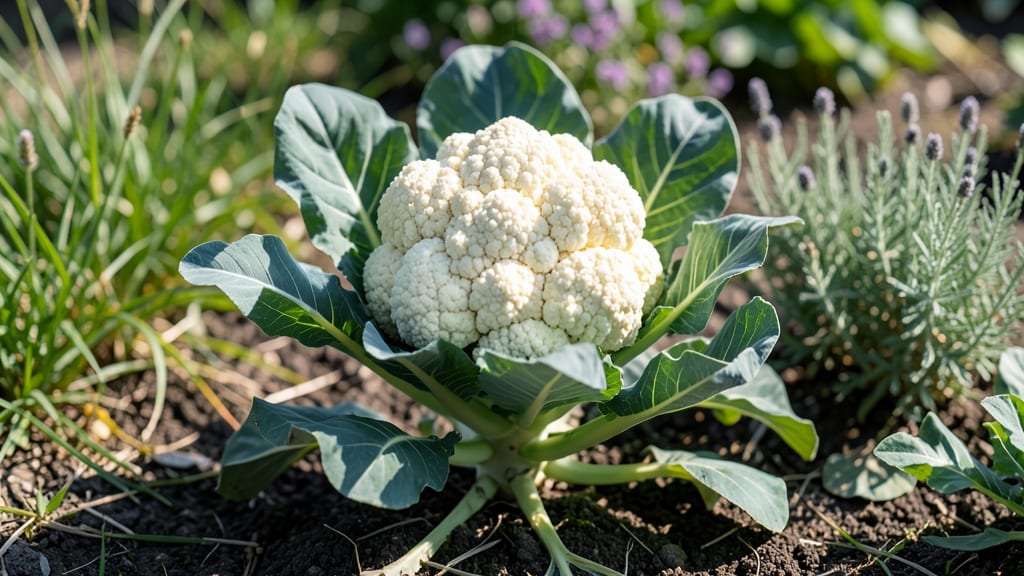
Wondering how tall your 🥬 cauliflower plants will grow before they're ready to harvest? The answer depends entirely on the variety you choose—some stay neatly compact while others stretch surprisingly tall, and knowing this upfront can save you space (and headaches) in your garden layout.
Most home gardeners grow standard cauliflower varieties that reach 18 to 24 inches at maturity, making them perfect for raised beds or in-ground plots.
But if you're working with limited space, dwarf varieties like 'Snowball Y Improved' top out at just 8 to 12 inches, while giant types can push 2 feet or taller—think of them as small shrubs rather than traditional veggies.
The height of your plants doesn't just affect how you arrange them—it also determines whether you'll need to stake them, prune for bushier growth, or even adjust your watering approach.
Taller varieties, for example, may need extra support in windy conditions, while compact ones thrive in tight spaces without any fuss.
Let's break down the exact height ranges for popular varieties, how spacing works, and the simple tricks to keep your plants growing strong—no matter how tall they get.

Cauliflower plant height by variety: compact vs standard vs giant types
Choosing the right cauliflower variety depends on your garden space and growing goals. Compact varieties like 'Snowball Y Improved' stay under 2 feet, while giant types like 'Romanesco' can reach nearly 3 feet tall. Understanding these height differences helps you plan spacing, trellising, and even harvest strategies for each type.
Taller cauliflower plants often produce larger heads but require more space and support. Dwarf varieties, on the other hand, are perfect for containers or small gardens. Let’s break down the height ranges and space requirements for each category to help you pick the best fit for your garden layout.
📏 Height matters because it directly impacts sunlight exposure, airflow, and even pest control. For example, standard varieties need 18-24 inches of space, while giant types may require 30+ inches. Let’s compare the most popular varieties in each category.
| Variety Type | Mature Height | Plant Spacing | Head Size | Best For |
|---|---|---|---|---|
| Dwarf | 8-12 inches | 12-18 inches apart | 4-6 inches | Containers, small gardens |
| 'Snowball Y Improved' | 12-18 inches | 18 inches apart | 6-8 inches | Home gardens, early harvests |
| Standard | 18-24 inches | 24 inches apart | 8-12 inches | Traditional gardens, trellising |
| 'Purple of Sicily' | 20-24 inches | 24 inches apart | 10-12 inches | Heirloom gardens, ornamental use |
| Giant | 24-36 inches | 30+ inches apart | 12+ inches | Large gardens, commercial growing |
| 'Romanesco' | 28-36 inches | 30 inches apart | 14+ inches | Unique heads, gourmet gardens |
Dwarf varieties like 'Snowball Y Improved' are ideal for container gardening or small spaces. Their compact size—typically 8-12 inches tall—makes them perfect for balconies or windowsill gardens. These varieties mature quickly, often producing heads in just 60-70 days, which is great for early-season harvests.
Standard varieties, such as 'Purple of Sicily', strike a balance between size and productivity. They reach 18-24 inches tall and thrive in traditional garden beds. These plants need slightly more space—about 24 inches apart—but their medium-sized heads make them versatile for home cooks and market gardeners alike.
Giant varieties like 'Romanesco' are the showstoppers of the cauliflower world. Their tall, bushy stature (28-36 inches) requires ample space—30+ inches apart—and may even need staking or trellising to support their weight. These varieties produce large, intricate heads that are prized for their unique appearance and flavor.
When planning your garden, consider not just the height of the plant but also its spread and growth habit. Some varieties, like 'Romanesco', grow in a bushy, upright pattern, while others, like 'Snowball Y Improved', stay more compact.
This affects how you arrange them in your garden beds or containers.
For small gardens or containers, stick to dwarf or semi-dwarf varieties. They’re easier to manage and require less maintenance. If you have a large garden or commercial space, giant varieties can be rewarding but need more attention to spacing, watering, and support to prevent lodging or disease.
Pro tip: If you’re growing taller varieties in windy areas, consider using stakes or cages to keep plants upright. This not only improves airflow but also makes harvesting easier. For compact varieties, focus on keeping the soil moist and well-fed to encourage steady growth.
🌱 Whether you're a beginner or a seasoned gardener, choosing the right cauliflower height for your space ensures a bountiful harvest with minimal stress. Now that you know the differences, pick your favorite variety and get ready to enjoy homegrown cauliflower all season long!
How cauliflower height affects growing conditions and harvest success
Cauliflower height isn't just about aesthetics—it directly impacts how you arrange your garden, how much sunlight your plants receive, and even how you harvest them. Taller varieties like 'Romanesco' need more space between plants to avoid shading, while compact types like 'Purple of Sicily' can be planted closer together.
This height difference also affects how much sunlight reaches the lower leaves, which can influence overall plant health and yield.
For example, standard-height cauliflowers (18-24 inches) thrive in traditional garden beds with 18-24 inches of spacing, but dwarf varieties (8-12 inches) can be planted just 12-18 inches apart.
The wrong spacing leads to overcrowding, which increases the risk of disease and reduces air circulation—both of which can stunt growth or even prevent heads from forming properly.
Here's the key insight: Taller plants need more support. In windy areas, varieties over 2 feet tall may need staking or cages to prevent lodging (when plants fall over). Even compact varieties can benefit from light trellising if you're growing them vertically to save space.
The right support system ensures your plants grow upright, maximizing their access to sunlight and making harvest easier.
🌱 Height Matters: Quick Guide
- 🥬 Dwarf varieties (8-12 in): Perfect for containers or small gardens
- 🌿 Standard varieties (18-24 in): Ideal for traditional garden beds
- 🌳 Giant varieties (2+ ft): Need staking and wider spacing
- ☀️ Sunlight tip: Taller plants need 6+ hours of direct sun
- 💧 Watering tip: Compact plants dry out faster in containers
Sunlight needs vary by height too. Taller cauliflowers can cast shadows on neighboring plants, especially if they're planted too closely. This is why I always recommend planting taller varieties on the north side of your garden (in the Northern Hemisphere) to avoid shading shorter crops.
Even a few inches of difference in height can mean the difference between a thriving plant and one struggling for light.
Wind and overcrowding are two height-related challenges that often catch gardeners off guard. Tall varieties in exposed areas may need windbreaks or staking, while overcrowded plants of any height suffer from poor air circulation.
To maximize vertical space in small gardens, try growing dwarf varieties in containers or using trellises for taller types. This not only saves space but also makes harvesting easier—no more bending over for compact plants!
When it comes to harvest success, height plays a subtle but important role. Taller plants often produce larger heads, but they also take longer to mature. Compact varieties, while smaller, may ripen faster, giving you an earlier harvest.
If you're growing multiple varieties, plan your layout so taller plants don't block sunlight from shorter ones. With the right spacing and support, you'll get healthy, productive plants no matter their height.