
Size
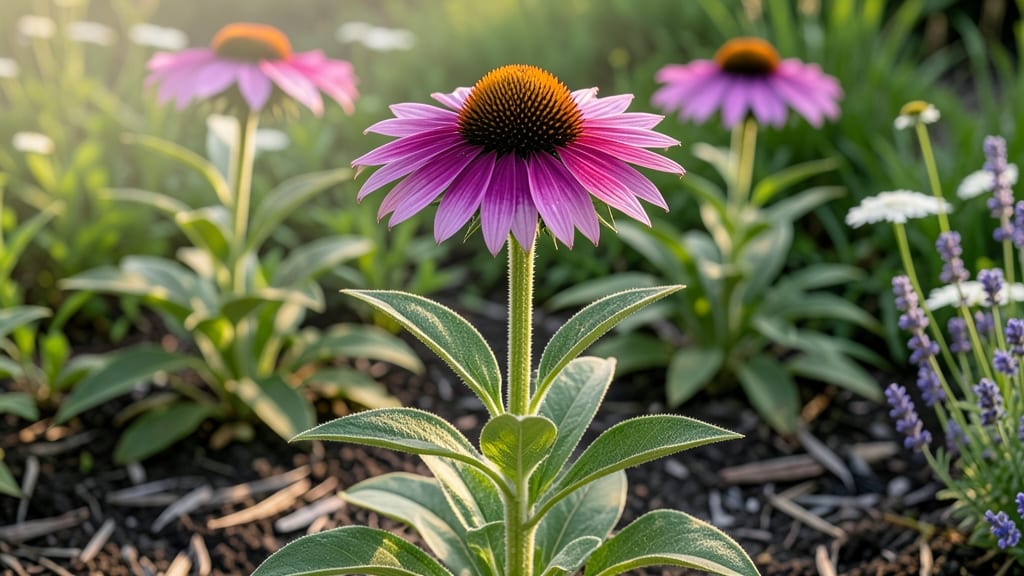
Wondering how tall coneflowers grow before you plan your garden beds? These perennial powerhouses can surprise you—some varieties stretch nearly as tall as a 4-foot-tall person, while others stay compact enough for containers!
The right spacing makes all the difference between a thriving pollinator magnet and a tangled mess.
Coneflowers like Echinacea purpurea (the classic purple variety) typically grow 2–4 feet tall, but dwarf types like 'White Swan' stay under 2 feet, while giants like 'Magnus' can hit 5 feet in ideal conditions.
Sunlight, soil quality, and even pruning habits play a role in their final height. Too much shade? Expect stunted growth. Overcrowding? Your plants will compete for nutrients, leading to leggy stems. I’ll show you how to optimize their space so they bloom their best—and how to control their height naturally.
Whether you're designing a wildflower meadow or tucking them into a small urban garden, getting the height right means more flowers, happier pollinators, and a layout that actually works. Let’s break down the exact numbers by variety and the spacing secrets every gardener needs to know.

Coneflower height by variety: exact growth charts for popular species
Choosing the right coneflower variety for your garden starts with understanding their mature heights. From dwarf cultivars perfect for containers to tall varieties that anchor borders, each type grows differently—even within the same species.
I’ve grown Echinacea purpurea for years, and I’ve learned that spacing these beauties correctly makes all the difference between a thriving pollinator magnet and a crowded mess. Let’s break down the exact heights you can expect from popular coneflowers so you can plan your space like a pro.
Most gardeners assume all coneflowers reach 3-4 feet tall, but that couldn’t be further from the truth. Some varieties stay under 2 feet, while others stretch toward 5 feet—and that’s before considering how sunlight, soil, and pruning habits can tweak their growth.
For example, the ‘White Swan’ coneflower stays compact at just 18-24 inches, making it ideal for front-row plantings, while ‘Magnus’ towers at 4-5 feet, perfect for tall borders or cut flower gardens. Knowing these differences helps you avoid overcrowding and creates a garden that looks intentional, not accidental.
| Variety | Mature Height | Best For | Spacing |
|---|---|---|---|
| ‘White Swan’ (Echinacea purpurea) | 18–24" | Containers, front borders | 12–18" |
| ‘Green Envy’ (Echinacea paradoxa) | 24–30" | Mid-border, pollinator gardens | 18–24" |
| ‘Magnus’ (Echinacea purpurea) | 48–60" | Back borders, cut flowers | 24–36" |
| ‘Purple Beauty’ (Echinacea purpurea) | 30–36" | Mixed borders, wildlife gardens | 18–24" |
| ‘Hot Papaya’ (Echinacea purpurea) | 24–30" | Color accents, pollinator patches | 12–18" |
| ‘White River’ (Echinacea pallida) | 36–48" | Prairie-style gardens | 24–30" |
If you’re working with Echinacea pallida, expect slightly taller growth than Echinacea purpurea varieties. For instance, ‘White River’ reaches 3-4 feet, while its purple-flowered cousin ‘Kim’s Knee High’ stays a modest 2-3 feet.
These differences matter when designing layered plantings—taller coneflowers should go in the back, while shorter ones shine in the front. Pro tip: ‘Kim’s Knee High’ is a favorite for small spaces because it blooms prolifically without taking over.
Don’t overlook Echinacea paradoxa, the green-stemmed coneflower that’s gaining popularity for its unique look. Varieties like ‘Sombrero Salsa’ hit 2-3 feet, making them versatile for both borders and containers.
I’ve seen gardeners pair them with black-eyed Susans for a striking height contrast—just plant them 18 inches apart to avoid competition. The key is balancing their mature sizes so no plant feels crowded or overshadowed.
For container gardening, stick to dwarf varieties like ‘White Swan’ or ‘Hot Papaya’. These stay under 2 feet and thrive in 10-12 inch pots with well-draining soil. I’ve successfully grown them in hanging baskets on patios, where their bright blooms draw hummingbirds all season.
Just remember: containers dry out faster, so water deeply every 3-5 days during hot spells.
Sunlight plays a huge role in height—full sun (6+ hours daily)
Spacing rules for coneflowers: how far apart to plant for optimal growth
Proper spacing is the secret to healthy coneflowers that thrive for years. These hardy perennials need room to breathe—literally! Crowding them too close leads to stunted growth, fewer blooms, and even disease risks from poor airflow.
The key is matching your spacing to the mature height of your specific variety, while accounting for sunlight and soil conditions.
Most gardeners make the mistake of planting coneflowers too tightly, assuming they’ll stay small. But even dwarf varieties can spread 2–3 feet wide at maturity, while tall types like 'Magnus' need 3–4 feet of space to avoid competition.
Let’s break down the exact spacing rules by height category so your coneflowers reach their full potential.
- Dwarf varieties (1–2 ft tall) like 'White Swan': 12–18 inches apart in full sun.
- Medium varieties (2–3 ft tall) like 'Green Envy': 18–24 inches apart for airflow.
- Tall varieties (3–5 ft tall) like 'Magnus': 24–36 inches apart to prevent flopping.
- In partial shade: Increase spacing by 25%—shade stunts growth.
- In containers: Use 1 plant per 12–18 inch pot for dwarf types.
Sunlight is the #1 factor affecting coneflower height. Full sun (6+ hours daily) encourages taller, sturdier stems, while partial shade can reduce height by 20–30%.
If your garden gets less than 4 hours of sun, choose dwarf varieties like 'White Swan' and space them 24 inches apart to compensate.
Soil moisture also plays a role—overly wet conditions can lead to leggy growth, while dry, well-drained soil promotes compact plants. Amend heavy clay with compost to improve drainage, and mulch around plants to lock in moisture without suffocating roots.
I’ve found that 2–3 inches of mulch keeps coneflowers happy without encouraging fungal issues.
One pro tip I swear by: Thin seedlings early to avoid overcrowding later. If you’re planting from seed, space them 6–12 inches apart initially, then transplant only the strongest plants to their final positions. This prevents root competition and gives each plant room to develop a robust root system.
For tall varieties, consider staking or planting in groups of 3–5 for natural support. A 3-foot-tall stake inserted at planting time prevents flopping, especially in windy areas. And if you’re using coneflowers as border plants, leave 3 feet of space behind them to avoid blocking sunlight from neighboring plants.
Remember, patience is key—coneflowers often take 2–3 years to reach their full height and spread. Don’t be tempted to rush their growth by over-fertilizing with nitrogen, which encourages foliage at the expense of blooms. Instead, use a balanced 5-10-10 fertilizer in early spring to support steady, healthy growth.