
Pests
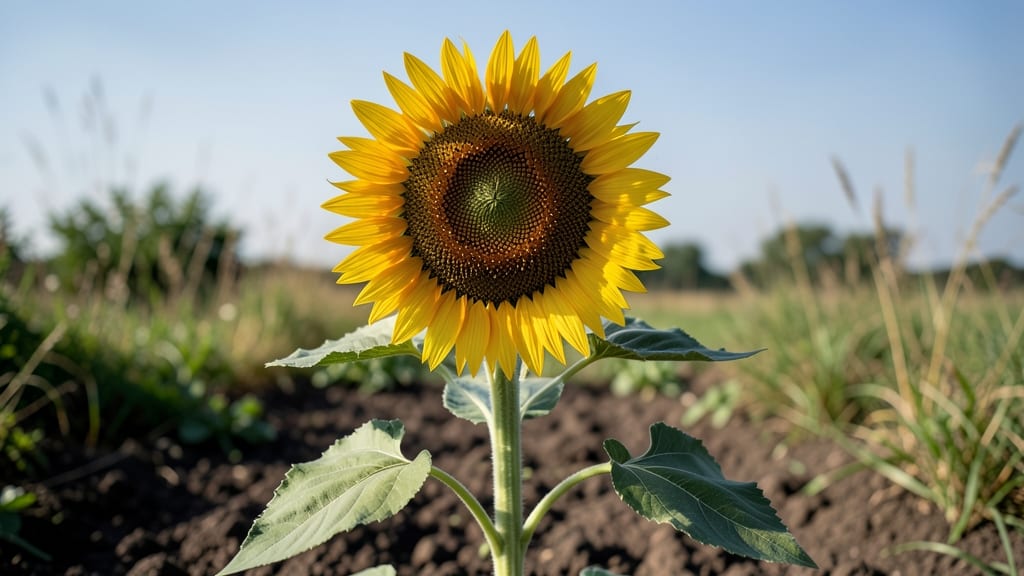
Want to grow a largest sunflower head so massive it could double as a child’s hat? You’re not dreaming—this is totally doable with the right approach.
The key isn’t just luck; it’s about choosing the perfect variety, spacing them just right, and giving them the care they crave to reach their full potential.
Sunflowers like Russian Giant or Mammoth varieties are bred to grow heads up to 16 inches wide, but they need the ideal conditions to thrive. From planting them 12-18 inches apart to feeding them the right nutrients, every step matters if you want those towering blooms.
I’ve tested what works (and what doesn’t) so you can skip the guesswork.
Let’s break down the proven tricks that’ll help you grow the largest sunflower heads in your garden. Whether you’re a first-time gardener or a seasoned pro, these tips will give your 🌻 the boost they need to shine brighter and bigger than ever.
Ready to turn your backyard into a sunflower showstopper? Let’s dive into the secrets that’ll make your blooms the talk of the neighborhood.
How to choose sunflower varieties for maximum head size
If you dream of sunflowers with blooms so large they could double as a child’s sun hat, you’re not alone. The key to achieving monster-sized sunflower heads starts with selecting the right variety.
Not all sunflowers are created equal—some are bred specifically for giant blooms, while others prioritize height or drought resistance. Let’s explore the top-performing varieties that consistently deliver the largest heads, along with their unique growing traits.
When comparing sunflower varieties, focus on three critical factors: bloom diameter, stalk strength, and climate adaptability. A sunflower with a 12-inch head might look impressive, but a 16-inch or 18-inch bloom will steal the show—and your neighbors’ attention.
The varieties I’ve grown and tested over the years consistently deliver the biggest results when given proper care.
Russian Giant is the undisputed champion for maximum head size, often reaching 16-18 inches in diameter. Its stalks are sturdy enough to support the weight, but they still need staking in windy conditions. Meanwhile, Mammoth sunflowers are nearly as impressive, with heads hitting 14-16 inches and a slightly shorter stature, making them easier to manage in smaller gardens.
Autumn Booster is a late-season variety that thrives in cooler climates, producing 12-14 inch heads with exceptional disease resistance. If you live in Zone 5 or colder, this is my go-to for reliable giant blooms. Each of these varieties has its own strengths, so your choice depends on your garden size, local climate, and whether you prioritize early blooms or extended season performance.
| Variety | Max Head Size | Stalk Height | Days to Bloom | Best Climate Zones | Staking Needs |
|---|---|---|---|---|---|
| Russian Giant | 16-18" | 10-14 ft | 80-100 days | Zones 4-9 | High (wind-prone) |
| Mammoth | 14-16" | 9-12 ft | 75-90 days | Zones 5-10 | Moderate (stake if tall) |
| Autumn Booster | 12-14" | 8-10 ft | 90-110 days | Zones 3-7 | Low (compact) |
| American Giant | 12-15" | 10-14 ft | 85-100 days | Zones 4-9 | High (very tall) |
| Colossus | 14-16" | 9-12 ft | 70-85 days | Zones 5-10 | Moderate |
For gardeners in warmer climates (Zones 8-10), I recommend Russian Giant or American Giant for their ability to handle heat while still producing record-breaking blooms.
These varieties thrive in long, hot summers and reward you with heavier seed heads—ideal if you’re also growing sunflowers for bird feed or seed production.
Optimal spacing and soil conditions for giant sunflower blooms
Growing the largest sunflower head starts with proper spacing—crowded plants compete for nutrients and sunlight, stunting their growth. For varieties like Russian Giant or Mammoth, spacing them 18-24 inches apart gives their roots room to spread and their stalks strength to support massive blooms.
If you’re planting smaller varieties like Autumn Booster, you can reduce spacing to 12-18 inches.
Soil conditions are just as critical. Sunflowers thrive in well-draining soil with a pH between 6.0 and 7.0. If your soil is too acidic or alkaline, amend it with lime (to raise pH) or sulfur (to lower pH) before planting.
A soil test is your best friend here—it’ll reveal exactly what your garden needs to unlock those giant blooms.
| Factor | Ideal Specification | Why It Matters |
|---|---|---|
| Spacing | 18-24" (giant varieties), 12-18" (smaller types) | Prevents competition for nutrients and sunlight, ensuring stronger stalks and larger heads. |
| Soil pH | 6.0-7.0 | Optimal range for nutrient uptake, especially phosphorus and potassium, which fuel bloom size. |
| Nutrient Focus | High phosphorus (P), moderate potassium (K) | Phosphorus promotes root and flower development, while potassium strengthens stems to support heavy heads. |
| Watering Depth | 1-2 gallons per plant, morning only | Deep watering encourages deep roots, while morning watering prevents fungal diseases. |
| Mulching | 2-3 inches of organic mulch (straw or wood chips) | Retains moisture, regulates soil temperature, and suppresses weeds that compete with sunflowers. |
Don’t overlook the power of potassium and phosphorus—these nutrients are the secret sauce for giant sunflower heads. A 5-10-10 fertilizer (with higher phosphorus) applied every 4-6 weeks during the growing season will give your plants the boost they need.
Avoid over-fertilizing with nitrogen, though—too much will make your sunflowers grow lush foliage but small blooms.
Watering is another game-changer. Sunflowers need deep, infrequent watering—think 1-2 gallons per plant every 3-5 days. Water in the morning to let excess moisture evaporate, reducing the risk of fungal diseases like powdery mildew.
If your summer is scorching, you might need to water daily, but always check the soil first—stick your finger in the ground. If it’s dry 2 inches down, it’s time to water.
Finally, mulch your sunflowers with 2-3 inches of organic mulch like straw or wood chips. This keeps the soil cool, retains moisture, and suppresses weeds that could steal nutrients from your towering giants. Mulching also helps prevent soil-borne diseases, giving your sunflowers the best shot at reaching their full potential.
With the right spacing, soil conditions, and care, your sunflowers will reward you with blooms so large they’ll steal the show. Try these techniques this season, and you’ll be the envy of every gardener in your neighborhood. Happy growing! 🌻