
Flowers
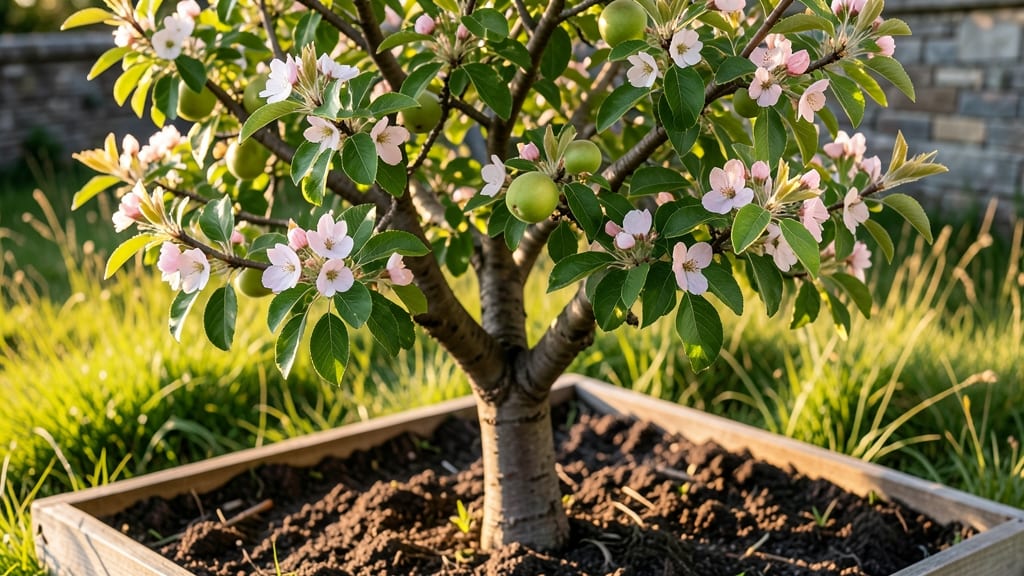
Transforming delicate the nectarine flower to fruit process is where the real magic happens in your orchard. Understanding this isn't just fascinating—it's the key to a bumper harvest every season.
From the first pink buds in spring to the ripe 🍑 hanging heavy in summer, each stage requires just the right conditions. I'll walk you through the exact timeline, including how temperature, sunlight, and even your care routine can accelerate or stall fruit development.
Whether you're dealing with blossom drop or wondering why some fruits stay small, you'll discover practical solutions to maximize your tree's potential. Let's break down what happens between bloom and harvest—and how to give your nectarines the best possible start.
With the right knowledge, you can turn those beautiful flowers into a harvest that rivals the best farmers' market finds. Ready to learn the secrets of successful fruit set? Let's get started.
Nectarine flower to fruit timeline: exact days from bloom to harvest
Understanding the nectarine flower to fruit timeline helps you anticipate harvests and troubleshoot issues early. From first bloom to ripe fruit, nectarines follow a predictable progression—but environmental factors like temperature and sunlight can shift this schedule significantly.
Here’s what to expect at each stage, including the average days between phases and how to optimize your tree’s performance.
Nectarine trees typically bloom in early spring (April-May), with fruit development unfolding over 120-180 days. The timeline varies slightly by variety and climate, but these stages remain consistent. Warm days and full sun accelerate growth, while cool temperatures or cloudy weather can delay ripening.
Knowing these phases helps you plan for pruning, pollination, and pest control at the right moments.
📅 Stage 1: Flowering (Bloom) Nectarine blossoms appear 2-3 weeks before leaves in spring. Each flower lasts 5-7 days, and successful pollination within this window is critical for fruit set. Cooler nights (50°F or below) can cause blossom drop, reducing your potential harvest. Bees and other pollinators are essential—planting companion flowers nearby can boost pollination rates.
📅 Stage 2: Fruit Set (0-14 Days After Pollination) After pollination, tiny nectarine fruits (peaches) form within 7-14 days. This stage is delicate—thin fruits (remove small or deformed ones) to ensure larger, healthier fruit. If temperatures drop below 45°F during this phase, fruit may abort. Monitor for aphids or mites, which can stunt growth.
📅 Stage 3: Rapid Growth (15-60 Days After Pollination) Fruits grow quickly, doubling in size over 4-6 weeks. This is the most water-intensive phase—deep watering 1-2 times per week prevents cracking. Apply a balanced fertilizer (10-10-10) to support rapid cell division. Shade cloth may help in hot climates (above 90°F) to prevent sunburn.
📅 Stage 4: Maturation (60-120 Days After Pollination) Fruits slow their growth as they develop color and sweetness. The skin transitions from green to yellow, orange, or red, depending on the variety. Reduce watering slightly to concentrate sugars. Harvest signs include a slight give when gently pressed and a clean stem snap. Overwatering here can dilute flavor.
📅 Stage 5: Ripening (120-180 Days After Pollination) The final 2-4 weeks focus on color deepening and softening. Avoid harvesting too early—unripe nectarines lack sweetness and may not ripen off the tree. In cooler climates (Zone 6 or below), fruit may take up to 180 days to ripen. Use a fruit maturity chart for your specific variety.
Nectarine Flower to Fruit Timeline Summary
| Stage | Days After Bloom | Key Actions | Environmental Needs |
|---|---|---|---|
| Flowering | 0-7 days | Pollinator support, thin excess blossoms | 50-85°F, full sun |
| Fruit Set | 7-14 days | Thin small fruit, monitor pests | 45-75°F, avoid frost |
| Rapid Growth | 15-60 days | Deep watering, fertilize | 60-85°F, full sun |
| Maturation | 60-120 days | Reduce water, check for pests | 65-90°F, partial shade if hot |
| Ripening | 120-180 days | Harvest at peak color, test firmness | 70-85°F, avoid rain before harvest |
Temperature plays a huge role in this timeline. For example, nectarines in Zone 7 may ripen 10
How to optimize nectarine fruit development: pruning, pollination, and care tips
Your nectarine tree needs precise care to turn those stunning pink blossoms into sweet, juicy fruit. The secret lies in understanding three key factors: pruning techniques, pollination support, and seasonal adjustments.
Each plays a critical role in preventing common issues like blossom drop or poor fruit sizing—problems that can turn a promising harvest into disappointment.
I’ve learned through trial and error that timing is everything. For example, pruning too late can remove next year’s flower buds, while skipping pollination support might leave you with sparse fruit. Let’s break down the exact steps to maximize your tree’s potential and avoid these costly mistakes.
- 1. Flowering Stage (Days 0-7): Ensure 60-70°F temperatures and bees visit daily. Hand-pollinate if needed using a soft brush.
- 2. Fruit Set (Days 7-14): Thin fruits to 6-8 inches apart to prevent overcrowding. Remove small or misshapen fruit first.
- 3. Rapid Growth (Days 14-45): Apply balanced fertilizer (10-10-10) and maintain consistent moisture. Mulch to retain soil warmth.
- 4. Color Change (Days 45-90): Reduce water slightly to concentrate sugars. Watch for pest signs like aphids or mites.
- 5. Harvest Readiness (Days 90-120): Test fruit firmness and stem detachment. Harvest in morning hours for peak flavor.
Start with pruning in late winter to open the canopy for better airflow and sunlight penetration. Remove any dead or crossing branches, as these compete with fruit-bearing wood.
I always aim to keep the tree’s structure open and airy—this reduces humidity pockets where fungal diseases like brown rot can thrive.
Next, focus on pollination support. While nectarines are self-pollinating, cooler springs or lack of bees can reduce fruit set. Place a bee house near your tree or hand-pollinate using a small paintbrush. Gently transfer pollen from one flower to another on cloudy, windless days when bees are less active.
Once fruits are set, thinning is non-negotiable. Overcrowded fruit leads to small, underdeveloped nectarines and increased disease risk. Use sharp pruning shears to remove excess fruit, leaving the largest, healthiest ones. Aim for 6-8 inches between fruits—this ensures each one gets enough nutrients and sunlight to grow properly.
Finally, adjust your watering and fertilizing schedule as the season progresses. During the rapid growth phase, deep water weekly to encourage strong root development. Switch to bi-weekly watering as fruits near maturity to prevent splitting.
A light application of fertilizer in early summer keeps the tree energized without promoting late-season growth that won’t harden off before winter.
By following these steps, you’ll transform your nectarine tree from a blossom-covered beauty into a fruit-laden powerhouse. The key is attention to detail—especially during those critical first 30 days after flowering when fruits are most vulnerable.
With the right care, your harvest will be the envy of the neighborhood! 🍑