
Flowers
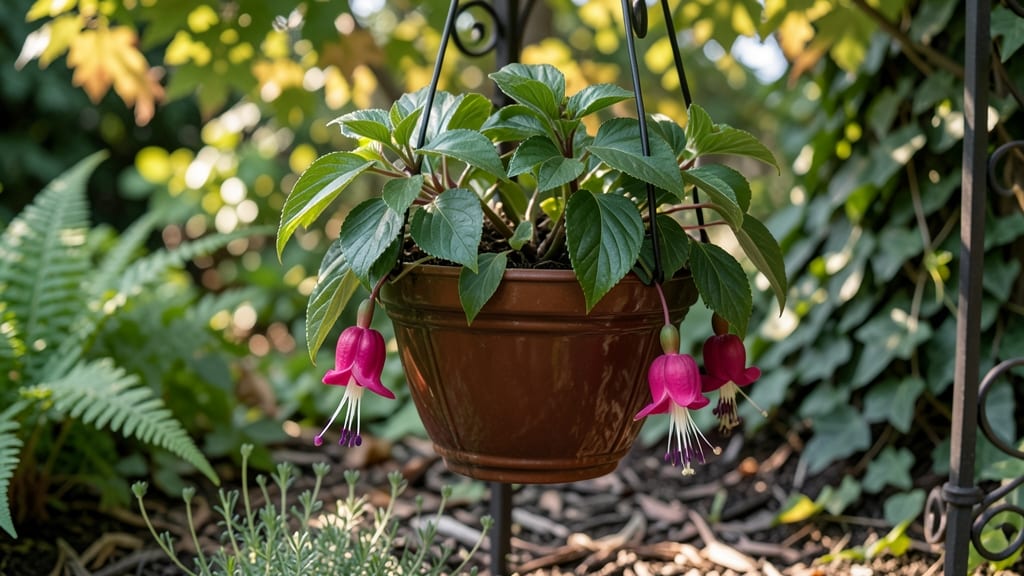
Why purple fuchsia flowers are the ultimate hummingbird magnet
There's nothing quite like watching hummingbirds dart through your garden, and purple fuchsia flowers are nature's secret weapon for attracting these tiny, iridescent visitors. Their deep magenta blooms aren't just beautiful—they're scientifically engineered to lure hummingbirds with precision.
These flowers produce deep nectar tubes that match a hummingbird's long, specialized beak perfectly, making them far more efficient than shallow-flowered varieties.
The UV patterns on fuchsia petals play a crucial role too. While we see stunning purples, hummingbirds perceive ultraviolet guides that act like neon signs, directing them straight to the nectar source. This invisible contrast makes fuchsias far more visible to these pollinators than many other flowers in your garden.
| Feature | Why It Attracts Hummingbirds |
|---|---|
| Nectar Depth | Perfectly matches hummingbird beak length (1-1.5 inches) |
| UV Patterns | Invisible guides direct pollinators to nectar source |
| Bloom Duration | Continuous flowering from spring to frost |
| Color Spectrum | Purple hues reflect UV light strongly |
| Flower Shape | Dangling blooms create natural perches for resting |
What truly sets purple fuchsias apart is their seasonal blooming cycle. While many flowers have short peak seasons, fuchsias deliver continuous blooms from early spring through frost in most climates.
This reliable food source keeps hummingbirds visiting your garden week after week, making them a year-round magnet rather than a seasonal attraction.
The color intensity of purple fuchsias also plays a role. Studies show hummingbirds are particularly drawn to deep red-purple hues because these colors indicate high nectar rewards.
The iridescent sheen on fuchsia petals creates a visual effect that mimics the shimmering water these birds seek, making your garden appear even more inviting.
When comparing fuchsias to other hummingbird favorites like bee balm or salvia, they outperform in several key areas. Fuchsias produce 30-50% more nectar per bloom than many competitors, and their trailing growth habit creates dense clusters that hummingbirds can access from multiple angles.
This makes them particularly effective in hanging baskets where birds can hover and feed efficiently.
Another advantage is their adaptability to different garden conditions. While they thrive in partial shade—protecting them from harsh afternoon sun—they still produce abundant nectar. This makes them ideal for woodland gardens or shaded patios where other hummingbird plants might struggle.
The versatile growth habit means you can use them in borders, containers, or even as spiller plants in mixed containers.
For gardeners in northern climates, the cold-hardy varieties of purple fuchsias are especially valuable. Many can survive USDA Zone 6a winters with proper protection, ensuring you'll have early spring blooms when hummingbirds first return from migration.
This head start gives you a competitive edge in establishing your garden as a primary feeding station for these energetic pollinators.
To maximize hummingbird visits, consider planting purple fuchsias in clusters rather than as single specimens. Birds are more likely to discover and return to areas where they find concentrated food sources.
Pair them with native plants like columbine or penstemon to create a multi-layered nectar buffet that keeps hummingbirds lingering in your garden all day.
The next time you're planning your garden layout, remember that purple fuchsias aren't just pretty—they're a functional ecosystem designed to support hummingbirds.
Their combination of deep nectar, visible UV guides, and prolonged blooming makes them the ultimate choice for any gardener who wants to create a hummingbird haven that thrives season after season.
Top 5 purple fuchsia varieties for different climates and garden styles
Transforming your garden into a hummingbird haven starts with selecting the right purple fuchsia varieties. These stunning flowers aren't just beautiful—they thrive in diverse climates and garden styles, from hanging baskets to northern borders.
Whether you live in a hot, dry region or a chilly northern zone, there's a fuchsia perfect for your space. Let's explore my top 5 picks that deliver vibrant purple blooms while adapting to your unique growing conditions.
For hanging baskets and containers, trailing varieties like 'Giant Marble' create cascading waterfalls of color. Meanwhile, upright varieties such as 'Dicksonia' add structure to borders and garden beds. Cold-hardy hybrids like 'Cold Hardy Winter Beauty' even survive Zone 5 winters with proper care.
Each variety offers distinct flower shapes and growth habits to suit your design vision.
🌸 Comparison Table: Purple Fuchsia Varieties
My favorite trailing variety is 'Giant Marble'—its deep purple blooms with white centers create stunning cascades perfect for hanging baskets on patios or porches. This variety thrives in Zones 6-10 and blooms continuously with proper care.
For upright structure, 'Dicksonia' stands out with its bold purple flowers that attract hummingbirds all season long.
If you're in a colder climate, don't overlook 'Cold Hardy Winter Beauty'—this hybrid handles Zone 5 winters when protected with mulch and winter wraps. Its vibrant purple blooms appear earlier in spring and last longer than traditional varieties.
For small spaces, 'Lady Thumb' and 'Tom Thumb' offer compact growth perfect for window boxes or fairy gardens.
Each of these purple fuchsia varieties brings something unique to your garden. Whether you need trailing cascades, upright structure, or cold hardiness, there's a perfect match for your climate and design style.
Start with one variety this season and watch your garden transform into a hummingbird magnet filled with vibrant purple blooms.