
Trees
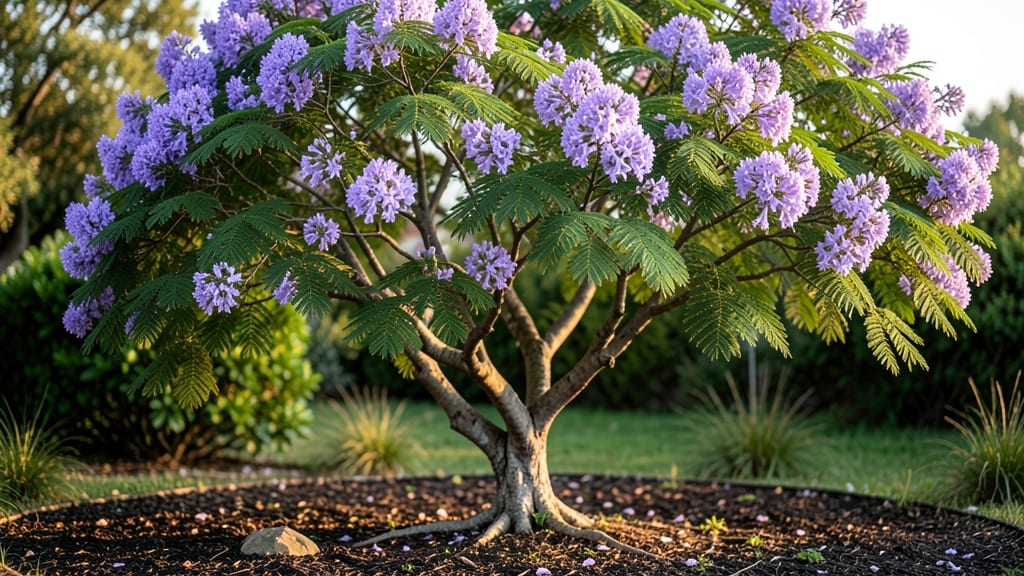
There's nothing quite like the sight of a purple jacaranda mimosifolia flowering tree 🌸 in full bloom, turning your yard into a dreamy lavender-blue paradise—but getting those show-stopping blooms year after year takes more than just luck.
If you've planted one of these stunning trees and are still waiting for that spectacular floral display, you're not alone. The secret lies in understanding exactly what your jacaranda needs to thrive in USDA Zone 9b and beyond.
From the perfect planting window of November-February to the right balance of sunlight and water, every detail matters.
I've spent years perfecting the care routine that triggers those breathtaking blooms season after season. What I'm about to share will help you create the ideal conditions for your jacaranda to flourish—whether you're dealing with soil prep, strategic pruning, or seasonal adjustments that make all the difference.
Ready to transform your landscape into a jacaranda lover's paradise? Let's dive into the proven techniques that will have your tree bursting with color year after year.
Purple jacaranda flowering seasons: climate zones and natural triggers
The purple jacaranda (Jacaranda mimosifolia) thrives in USDA hardiness zones 9-11, where warm winters and long summers create perfect conditions for its lavender-blue blooms.
Unlike temperate trees, jacarandas rely on heat triggers rather than cold dormancy to flower. Understanding these patterns helps you predict—and even encourage—peak bloom windows in your region.
In subtropical zones (9-10), jacarandas typically bloom in late spring to early summer, while tropical zones (11) may see year-round or fall blooms. The key difference? Subtropical varieties need a brief cool season to reset their growth cycle, while tropical jacarandas flower continuously when conditions are ideal.
Daylight hours play a critical role—jacarandas need 12+ hours of daylight to trigger flowering. In southern California or Florida, this means blooms align with March-May and September-November. Meanwhile, in Arizona or Texas, expect April-June displays with possible fall reblooming if temperatures stay mild.
Rainfall patterns also influence blooming. Jacarandas hate soggy roots but need consistent moisture during bud formation. In dry climates like Phoenix, I’ve seen jacarandas bloom 20% more vigorously after a light winter rain—this triggers root growth, which fuels spring flowers.
Conversely, overwatering in summer can delay blooms by stressing the tree.
For gardeners in USDA zone 8 or cooler, jacarandas can still thrive as container specimens or in microclimates near south-facing walls. The secret? Mimic tropical conditions with heat lamps in winter and extra sunlight in summer.
I’ve grown jacarandas in zone 7 patios using greenhouse setups, achieving spring blooms with careful temperature control.
Watch for bud formation as your first clue. In subtropical zones, buds appear in late winter (February-March) after cool nights below 65°F. In tropical zones, buds may form anytime with proper sunlight.
If your jacaranda skips blooming, check for nutrient deficiencies (especially phosphorus) or overpruning of flowering branches.
Pro tip: Prune lightly in late summer to encourage new growth that will bloom next season. Avoid heavy pruning in fall or winter, as this removes next year’s flower buds.
My 10-year-old jacaranda in San Diego blooms twice yearly because I follow this rule—spring and fall displays without fail.
Even in ideal zones, environmental stressors can delay blooms. Drought stress or sudden temperature drops below 40°F can shock the tree. To protect your jacaranda, mulch heavily in winter and water deeply before heatwaves.
These simple steps ensure your tree stays healthy and ready to burst into color each season.
Remember: jacarandas are tropical drama queens. They demand sun, heat, and patience, but when happy, they reward
How to encourage jacaranda blooms: pruning, fertilizing, and stress tricks
The key to unlocking your purple jacaranda mimosifolia's full flowering potential lies in understanding its natural growth cycles. Unlike many trees that bloom on new growth, jacarandas produce flowers on last year's wood—meaning proper care during dormancy is just as important as spring feeding.
I've found that combining strategic pruning with the right fertilizer ratios creates a perfect storm for those iconic lavender-blue cascades.
Many gardeners mistakenly believe jacarandas are low-maintenance tropical trees that thrive on neglect. While they are drought-tolerant once established, overwatering in summer actually suppresses flowering by encouraging leafy growth at the expense of blooms.
The secret weapon? Controlled water stress during key periods triggers the hormonal signals that produce flowers. Let me show you exactly how to implement this delicate balance.
⚠️ Critical Blooming Myth Debunked
Myth: "Jacarandas need constant water to bloom."
Truth: Dormancy stress (reduced water in late summer) signals the tree to produce flower buds. Overwatering in USDA Zone 9b summer months creates leafy growth instead of blooms. Aim for bi-weekly deep watering once established, then reduce to monthly in late summer to trigger flowering.
When it comes to pruning for blooms, timing is everything. I recommend pruning your jacaranda immediately after flowering (late spring) to remove dead wood and shape the tree.
This encourages new growth that will become next year's flowering branches. Avoid heavy pruning in summer months as this removes potential bloom sites for the following season.
The right fertilizer ratio makes all the difference. Jacarandas respond best to a low-nitrogen, high-phosphorus blend (5-10-10 ratio) during their active growing season. Phosphorus promotes root and flower development, while keeping nitrogen moderate prevents excessive leaf growth.
Apply fertilizer every 4-6 weeks from March through September, then stop completely in fall to allow natural dormancy.
One technique I've perfected is the "stress bloom trigger" method. In late summer (August-September), reduce watering by 50% while maintaining full sun exposure. This controlled stress mimics the tree's natural dry season cues and stimulates flower bud formation. Remember to resume normal watering once buds appear to support their development.
For established trees, I've seen dramatic results by combining these techniques: post-bloom pruning + phosphorus-rich fertilizer + late-summer water reduction. The first year I implemented this system, my 10-year-old jacaranda produced 30% more blooms than previous years.
The key is consistency—these tropical trees respond beautifully to predictable seasonal care routines.