
Flowers
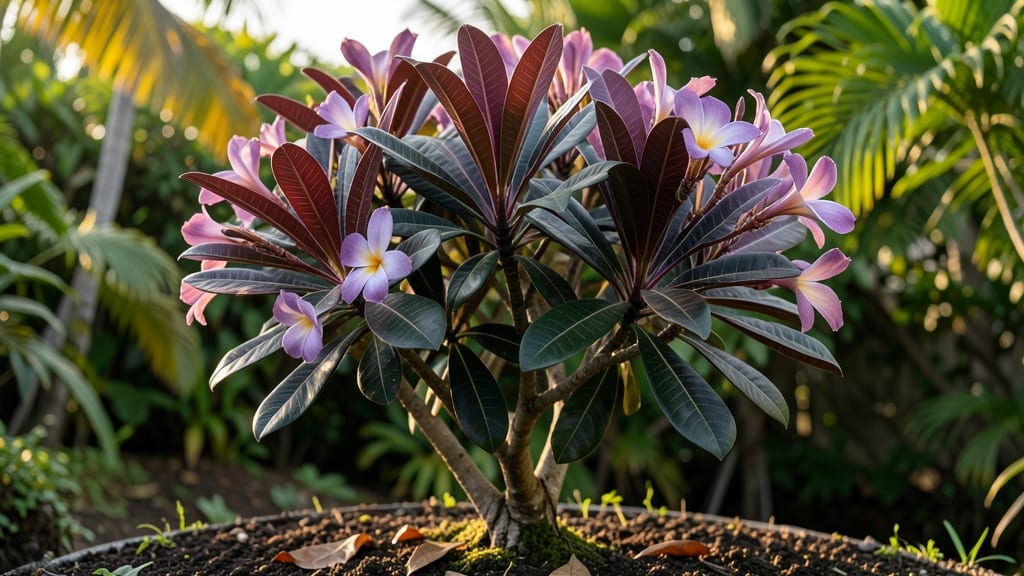
There’s something magical about spotting a purple plumeria flower 🌸—it’s like discovering a hidden treasure in your garden. Unlike the classic whites and pinks, these rare blooms stand out with their deep, velvety hues, turning heads and filling the air with intoxicating fragrance.
But growing purple plumeria isn’t just about luck—it’s about understanding their unique needs. These tropical beauties thrive in USDA Zones 10–12 (or as houseplants in cooler climates) and demand the right balance of sunlight, soil, and care to produce those stunning blooms.
Whether you’re a seasoned gardener or a beginner, I’ll share the secrets to cultivating these rare varieties so you can enjoy their bold beauty year after year.
The key to success lies in proper planting, pruning, and propagation techniques tailored for purple plumeria. From choosing the right soil to encouraging vibrant blooms, I’ll walk you through every step—plus, I’ll reveal common mistakes to avoid so your plumeria stays healthy and thriving.
Get ready to transform your garden (or patio) into a tropical paradise with these breathtaking flowers.
Let’s dive into the world of purple plumeria and uncover the growing secrets that will help you nurture these stunning plants like a pro. You’ll be amazed at how rewarding it can be to grow something so uniquely beautiful!
Rare purple plumeria varieties: identification and unique characteristics
If you’ve ever dreamed of a plumeria tree adorned with deep violet or lavender blooms, you’re not alone. While most gardeners grow the classic white or pink varieties, purple plumeria flowers are the coveted treasures of tropical plant collectors.
These rare cultivars stand out with their rich, velvety petals and often carry a sweeter fragrance than their common counterparts. Let’s explore the most sought-after purple plumeria varieties and what makes them so special.
The allure of purple plumeria lies in their unusual color genetics. Unlike white or pink plumeria, which are more common, purple varieties often result from hybridization experiments or natural mutations.
Some even feature bicolored blooms with purple edges or centers. Whether you’re a seasoned collector or a beginner, these varieties will elevate your garden’s tropical charm.
Here’s a side-by-side comparison of the most prized purple plumeria cultivars, including their unique characteristics, growth habits, and why they’re favored by enthusiasts.
Purple Majesty is one of the most highly sought-after varieties due to its intense purple hue and bold fragrance. This cultivar thrives in full sun and produces large, velvety blooms that last for weeks. Its upright growth habit makes it perfect for tropical landscapes or as a statement plant in containers.
The Royal Purple variety is a gardener’s favorite for its bicolored blooms and compact size. Unlike its taller counterparts, this semi-dwarf plumeria is ideal for small gardens or balcony planters. Its lavender-pink
Growing purple plumeria flowers: soil, sunlight, and pruning secrets
Purple plumeria flowers are a gardener’s secret weapon for adding drama to any space, but they demand precise care to thrive. The first step is creating the perfect environment—starting with well-draining soil that mimics their tropical roots.
These plants despise soggy conditions, so amending your soil with perlite or sand is essential for preventing root rot. Aim for a slightly acidic to neutral pH (6.0–7.5), as this range encourages vibrant purple blooms and healthy growth.
Your plumeria’s sunlight requirements are just as critical. These tropical divas need 6+ hours of direct sunlight daily to produce their signature blooms. In hotter climates, provide afternoon shade to prevent leaf scorch, but never compromise on morning sun—this is when they soak up energy for flowering.
If you’re growing indoors, place them near a south-facing window or supplement with grow lights for 8+ hours.
⚠️ WARNING: Common Mistake Alert! ⚠️ Many gardeners overlook the importance of proper drainage and sunlight balance when growing purple plumeria. Root rot from poor drainage or stunted growth from insufficient light are two of the most common issues.
Always use containers with drainage holes if growing in pots, and avoid placing your plumeria in shady spots—even partial shade can reduce blooming. For USDA Zones 10–11, outdoor planting is ideal, but in cooler zones, move your plumeria indoors before temperatures drop below 50°F (10°C).
Pruning is where the magic happens for encouraging vibrant purple blooms. The best time to prune is right after flowering, when you can see where new growth will emerge.
Use sterilized pruning shears to make clean cuts just above a leaf node, and remove any dead, diseased, or crossing branches. This not only shapes your plant but also redirects energy toward producing more flowers.
For container-grown plumeria, pruning also helps manage size—trim back leggy stems by 1/3 of their length to encourage bushier growth.
Climate plays a huge role in purple plumeria success. In USDA Zones 10–11, these plants thrive outdoors year-round, but in colder regions, they’ll need protection. If you live in Zones 9 or below, grow them in containers and bring them indoors during winter.
Place them near a bright window or under grow lights, and reduce watering to once a month while they’re dormant. Even in warmer climates, a light winter pruning can remove weak growth and prepare the plant for spring blooming.
Don’t forget about fertilization—purple plumeria love a balanced diet! Use a 7-9-5 NPK fertilizer (higher in phosphorus for blooms) every 4–6 weeks during the growing season.
Apply it in the morning after watering to avoid root burn, and flush the soil with water every few months to prevent salt buildup. For potted plumeria, fertilize lightly in winter to avoid overstimulating growth when the plant is dormant.
With the right soil, sunlight, and pruning techniques, your purple plumeria will reward you with stunning, fragrant blooms that last for months. The key is consistency—monitor your plant’s needs, adjust care as seasons change, and soon you’ll have a tropical oasis right in your own backyard (or patio!). 🌸