
Flowers
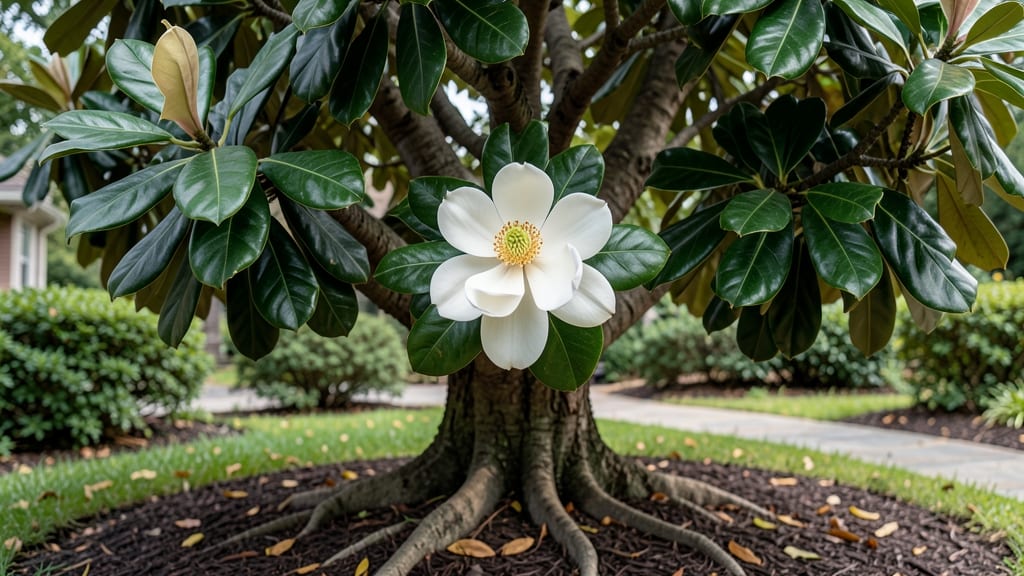
Imagine waking up to a Southern Magnolia 🌸 tree in full bloom, its flowers so large they could double as dinner plates—but here’s the catch: their size isn’t just about showiness.
Understanding exactly how big these blooms grow (and how they change as your tree matures) is the secret to planting them with confidence in your landscape.
Most Southern Magnolias produce flowers that span 6 to 12 inches wide, but younger trees start smaller, and mature specimens can reach even more dramatic proportions.
If you’ve ever wondered whether your yard can handle one of these giants—or how to space them properly to avoid future pruning headaches—this guide has the answers you need.
We’ll break down the science behind flower size, from petal structure to how age affects blooms, plus practical tips for gardeners in Zones 7-10. Whether you’re designing a statement piece or fitting one into a cozy backyard, knowing these details will help you make the right choices.
Ready to transform your outdoor space with these stunning trees? Let’s dive into everything you need to know about Southern Magnolia flower size—and how to grow them like a pro.

Southern Magnolia flower size: exact dimensions and growth patterns
The Southern Magnolia (Magnolia grandiflora) produces some of the most dramatic flowers in the garden, with blooms that can reach 6 to 12 inches wide—often large enough to rest a dinner plate on top.
These creamy-white, leathery petals are not only stunning but also highly fragrant, filling the air with a sweet, citrusy scent during peak bloom. Understanding their exact dimensions helps you plan your landscape design and care routine effectively.
Each flower consists of 6 to 9 petals, arranged in a ruffled, overlapping pattern that gives them a textured, almost sculptural appearance. The center of the bloom is packed with yellow stamens, which add a contrasting pop of color against the creamy backdrop.
While the flowers themselves are impressive, the evergreen leaves (up to 8 inches long) play an equally important role in the tree’s year-round appeal.
Here’s how flower size and growth patterns vary by age and maturity, along with key details to help you care for your Southern Magnolia:
| Stage | Flower Size | Petal Count | Fragrance Intensity | Bloom Duration |
|---|---|---|---|---|
| Young Tree (1-5 years) | 4–6 inches | 6–7 petals | Moderate | 2–3 weeks |
| Mature Tree (10+ years) | 8–12 inches | 7–9 petals | Strong | 3–4 weeks |
| Old-Growth Tree (30+ years) | 10–12 inches | 8–9 petals | Very strong | 4+ weeks |
| Dwarf Varieties (if available) | 3–5 inches | 5–6 petals | Light to moderate | 2 weeks |
The flower size of a Southern Magnolia increases as the tree matures, with young trees producing smaller blooms (4–6 inches) and mature trees reaching their full potential of 8–12 inches. This growth pattern is tied to the tree’s overall health and root system development.
A well-established Southern Magnolia in USDA Zones 7–10 can produce hundreds of blooms per season, creating a breathtaking canopy of white.
One surprising fact about Southern Magnolia flowers is their short lifespan on the tree. While they may last 3–4 weeks on mature trees, individual blooms typically wilt and drop within 7–10 days of opening.
This rapid turnover is why the tree appears to bloom continuously—new flowers open daily throughout the season, from late spring to early summer. The fragrance intensity also peaks in the morning hours, making early walks beneath the tree especially rewarding.
If you’re considering planting a Southern Magnolia, keep in mind that flower size isn’t the only factor to consider. The tree’s height and spread (up to 80 feet tall and 30–40 feet wide) mean you’ll need ample space.
However, the fragrance and visual impact of those large blooms make them a worthwhile investment for any landscape. For smaller spaces, consider container-growing options, though dwarf varieties with proportionally smaller flowers are rare.
To encourage larger, healthier blooms, focus on providing well-draining soil, full sun exposure, and consistent moisture during the growing season. Avoid over-fertilizing with high-nitrogen products, as this can reduce flowering and promote excessive foliage growth instead.
Pruning should be minimal and strategic, as heavy pruning can stimulate new growth at the expense of flowers.
Fun fact: Southern Magnolia flowers are not edible, but they’ve been used historically in perfumes and traditional medicine for their soothing properties. The leaves and bark also contain compounds with antimicrobial benefits, though they’re not commonly used in modern gardening.
Today, these trees are prized solely for their beauty and fragrance, making them a showstopper in any garden
Optimal spacing for Southern Magnolias: how close can you plant them?
When planting a Southern Magnolia 🌳, spacing isn’t just about aesthetics—it’s about giving your tree room to thrive. These majestic trees develop expansive root systems and towering canopies, so cramming them too close leads to stunted growth, poor flowering, and even disease.
The general rule for mature Southern Magnolias is 15 to 25 feet between trees, but the right spacing depends on your landscape goals and local conditions.
For a single Southern Magnolia, aim for at least 20 feet of clearance on all sides. This ensures the tree’s roots won’t compete with nearby structures, sidewalks, or other plants.
In urban settings where space is limited, you can reduce spacing to 12 to 15 feet, but be prepared for slower growth and potential pruning needs as the tree matures.
Root competition is the biggest enemy of healthy Southern Magnolias 🌱. When roots from multiple trees intertwine, they steal nutrients and water from each other, leading to weaker blooms and increased susceptibility to pests.
Even if your yard feels spacious now, remember: these trees can grow 40 to 80 feet tall and spread just as wide over time.
Southern Magnolia Spacing: Pros and Cons
- Healthy growth: Roots expand freely
- Better blooms: More energy for flowers
- Less pruning: Natural shape maintained
- Longer lifespan: Reduced stress on tree
- Stunted growth: Roots compete for nutrients
- Fewer flowers: Less energy for blooms
- Increased pests: Weakened tree structure
- Damage risk: Branches may hit structures
💡 Urban Tip: If planting near a house, maintain at least 10 feet from foundations to prevent root damage.
If you’re dreaming of a Southern Magnolia grove 🌿, space trees 20 to 25 feet apart in rows. This creates a natural, park-like effect while allowing each tree to develop its full potential.
For smaller yards, consider planting just one specimen as a focal point—its dramatic blooms and glossy leaves will still make a statement without crowding your space.
Container growing is another option for limited spaces, but Southern Magnolias aren’t ideal for pots. They develop massive root systems that outgrow containers quickly. If you must try it, use a 50-gallon or larger container and replace the soil every 2 to 3 years to prevent nutrient depletion.
Even then, expect slower growth and smaller flowers compared to in-ground plantings.
For urban gardens 🏡, prioritize spacing over quantity. A single Southern Magnolia planted with 20 feet of clearance will thrive and reward you with 6-to-12-inch blooms for decades.
Pair it with dwarf shrubs or ground covers to fill the gap until the tree matures, creating a layered, low-maintenance landscape that’s both beautiful and functional.