
Flowers
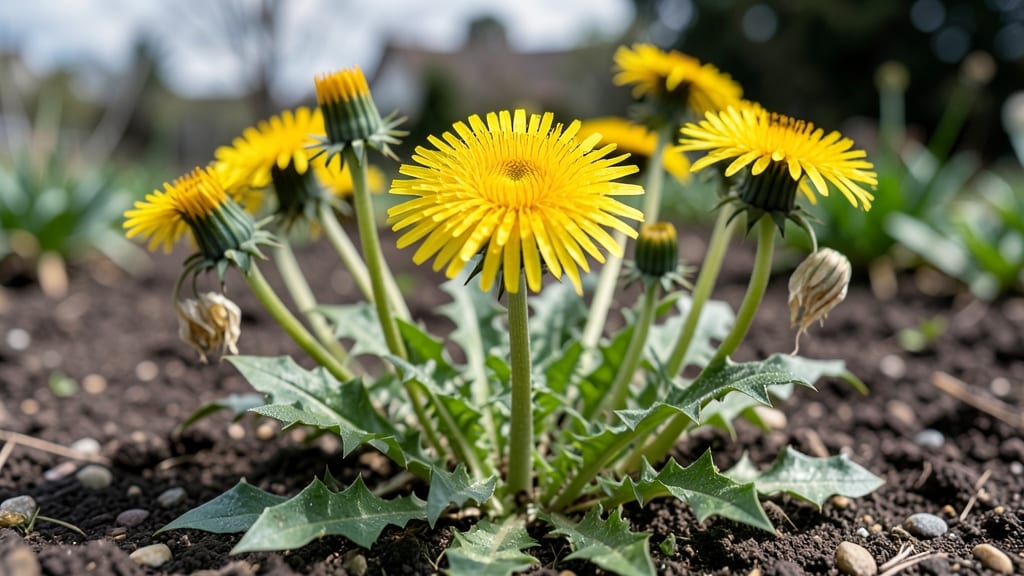
If you’ve ever spotted those bright yellow blooms popping up in early spring, you’ve likely wondered: Why do dandelions flower so early—and what does it mean for your garden? Their tenacity as nature’s first harbingers of warmth makes them both a gardener’s curiosity and a lawn’s persistent challenge.
Dandelions 🌼 are among the first flowers to bloom, often appearing as early as late winter or early spring in USDA Zone 6a and beyond.
Their ability to thrive in cold temperatures and poor soil conditions means they’re nature’s early pollinator plants, offering vital food sources for bees before other flowers emerge.
But timing isn’t just about climate—it’s also about strategy. These resilient plants use their rapid flowering cycle to outcompete weeds and maximize their chances of spreading seeds before summer heat sets in. Understanding their bloom patterns can help you decide whether to embrace them or manage their growth.
In this guide, I’ll break down exactly when dandelions flower, how regional differences affect their schedule, and why their early blooms are a sign of spring’s arrival. Let’s dive into the science—and maybe even learn to appreciate their stubborn beauty.
Dandelion flowering timeline: months, climate Zones, and what triggers blooms
Dandelions (Taraxacum officinale) are nature’s earliest bloomers, often popping up as soon as soil temperatures reach 40°F (4°C) in early spring. Their aggressive flowering schedule isn’t just luck—it’s a survival strategy tied to daylight hours and warmth thresholds.
In most U.S. regions, you’ll spot those bright yellow blooms between March and May, but timing shifts dramatically across USDA climate zones.
What makes dandelions bloom so early? The answer lies in their photoperiod sensitivity. Unlike many plants that wait for longer daylight, dandelions trigger flowering when days reach 12–14 hours of light.
This happens in late winter/early spring, often before trees leaf out. Their cold-hardy roots store energy over winter, fueling rapid growth once temperatures rise.
Wild dandelions and cultivated varieties (like ‘Garden Salad Bowl’) follow similar timelines, but cultivated types may bloom slightly later—sometimes as late as June—if grown for their edible leaves. Their secondary blooms can appear sporadically until frost, though peak flowering occurs in spring and early summer.
In USDA Zones 3–5, dandelions wait until soil warms to 45°F (7°C)—often late April or May—because cold soil slows root activity. Meanwhile, Zones 9–11 see blooms as early as February due to mild winters.
The Southwest (Zone 9b+) can even have year-round flowering, though peaks occur in spring and fall.
Daylight length is the real game-changer. Dandelions use a process called vernalization—they “measure” cold exposure to time their bloom. After 4–6 weeks of chilly temps (32–40°F), they shift from leaf growth to flower production.
This explains why dandelions in northern climates bloom later than those in southern regions, even if both get sunshine.
If you’ve noticed dandelions blooming earlier than expected, check for these triggers: unseasonably warm spells, disturbed soil (like construction sites), or lack of competition from grass. Even a 5°F (3°C) temperature spike can jumpstart their lifecycle. Conversely, late frosts after buds form can delay blooms by weeks.
Cultivated dandelions, like ‘French Vanilla’ or ‘Pineapple’ varieties, may bloom 2–4 weeks later than wild types because breeders prioritize leaf production over seed heads. These varieties still follow the same daylight rules, but their larger rosettes store more energy, delaying flowering until they’re 6–8 inches tall.
Pro tip: If you’re growing dandelions for salad greens, harvest leaves before flowering to avoid bitterness. Once they bloom, the plant shifts energy to seed production, making leaves tougher. For medicinal use, collect flowers when fully open—typically late morning on sunny days for maximum potency.
Dandelions’ early blooms also serve a critical role in pollinator ecosystems. By flowering when few other plants are available, they provide bees and butterflies with their first protein-rich pollen of the year. This makes them a keystone species in many gardens, even if you’d prefer a manicured lawn.
Ready to predict dandelion blooms in your area? Start tracking soil temps and daylight hours—your local cooperative extension office can provide zone-specific frost dates. And remember: their tenacity is a testament to nature’s resilience, not a flaw in your lawn care routine. 🌼
How to identify dandelion flower stages: from bud to seed (with photos)
Recognizing dandelion flower stages helps you understand their lifecycle and decide how to manage them in your garden. From tight buds to fluffy seed heads, each stage offers clues about their growth progress and timing.
Knowing these stages also helps you distinguish dandelions from similar-looking weeds like cat's ear or hawkweed, which share some visual traits but have key differences.
Dandelions follow a predictable cycle: they begin as small, tightly closed buds, then open into vibrant yellow flowers, and finally transform into the iconic seed puffs. This process typically takes about 3-4 weeks from bud to seed, depending on temperature and sunlight.
Understanding these stages can help you time removal efforts or even harvest their edible greens and flowers before seed production.
| Stage | Visual Identifiers | Timeframe | Key Features |
|---|---|---|---|
| Tight Bud | Small, green, closed buds | Early spring (March-April) | Leaves form a rosette; buds appear on 6-12 inch stems |
| Open Flower | Bright yellow, fully open blooms | Late spring (April-May) | Each flower lasts 1-2 days; attracts pollinators |
| Seed Development | Green seed pods forming | Late spring (May-June) | Pods turn brown; seeds mature in 7-10 days |
| Seed Puff | White, fluffy seed heads | Summer (June-August) | Each seed has a parachute; disperses easily by wind |
🌼 Pro Tip: Harvest leaves before buds form for the most tender greens!
The tight bud stage is your first clue that dandelions are preparing to flower. These green buds appear on long stems rising from the rosette of leaves. In USDA Zone 6a, buds often emerge as early as late February or March, signaling that warmer days are coming.
Pay attention to their location—dandelions prefer full sun and well-draining soil, which is why they thrive in lawns and garden edges.
When buds open into bright yellow flowers, they become a beacon for pollinators like bees and butterflies. Each flower lasts only 1-2 days, but new buds continuously open throughout the day.
This rapid turnover ensures dandelions remain a reliable early food source. If you’re trying to control their spread, this is the ideal time to remove them before seeds form.
The transition to seed development marks the final stage before the iconic puffballs appear. After flowering, the yellow petals drop, and green seed pods begin forming. These pods harden and turn brown within about a week.
If you miss the flowering stage, you’ll still recognize them by their upright, spiky appearance—unlike other weeds that produce flat seed heads.
Once the seed pods mature, they transform into the familiar white, fluffy seed puffs that can travel miles on the wind. Each seed has a tiny parachute, allowing it to disperse widely.
This stage is the most challenging for gardeners, as seeds can establish new plants almost anywhere. However, it’s also the most visually striking—perfect for capturing in photos or using in crafts.
To distinguish dandelions from similar weeds, focus on their leaf shape and growth pattern. Dandelion leaves are deeply lobed and arranged in a rosette, while cat’s ear leaves are more oval and less jagged.
Hawkweed flowers are smaller and grow in clusters, not solitary like dandelions. By recognizing these differences, you can accurately identify and manage dandelions in your landscape.