
Flowers
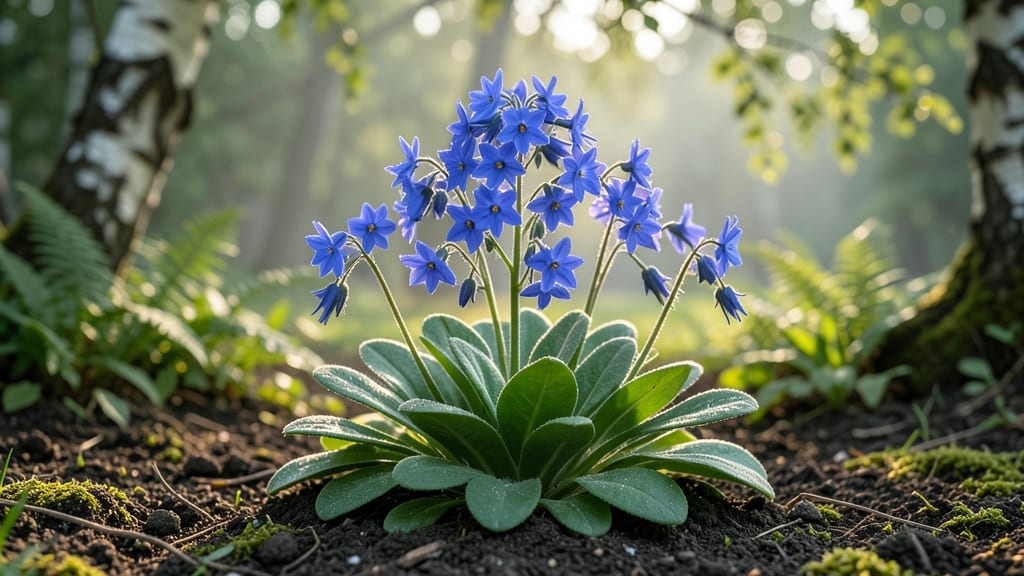
If you've ever wondered when do forget-me-not flowers bloom and why they seem to vanish as suddenly as they arrive, timing is the secret you're missing.
These delicate blue blooms thrive on a short but spectacular window—typically late spring to early summer—when the air hums with warmth and the garden awakens.
In USDA Zone 6a, where many gardeners call home, that means May through June, though cooler regions may see them linger into early July.
But here's the catch: forget-me-nots don't play by rigid rules. Their bloom schedule dances with factors like sunlight, soil moisture, and even last year's planting decisions. With the right care, you can coax them into flowering a little earlier or stretching their display just a touch longer.
Let's uncover the exact months your forget-me-nots will shine brightest—and how to give them the perfect conditions to repeat their magic year after year.
Forget-me-not bloom schedule by USDA hardiness zones
Timing is everything when growing forget-me-not flowers, especially since their delicate blue blooms appear briefly but beautifully. Understanding your USDA hardiness zone helps you predict when to expect those charming flowers—whether you're in the chilly Zone 3 or the warmer Zone 10.
Each zone has its own schedule, influenced by frost dates and local microclimates.
Forget-me-nots typically bloom in late spring to early summer, but the exact timing shifts based on your zone.
In colder zones like Zone 3-5, blooms may arrive as early as May, while in milder Zone 8-10, you might see flowers as early as March or April. Regional variations—like coastal fog or mountain elevations—can also push blooms earlier or later.
Here’s a quick breakdown of when to expect forget-me-not blooms across the USDA zones, including adjustments for microclimates like urban heat islands or mountain valleys:
| USDA Zone | Typical Bloom Time | Microclimate Adjustments | Notes |
|---|---|---|---|
| Zone 3-4 | Late May to early June | Mountain valleys: 1-2 weeks later; urban areas: 1 week earlier | Cold-sensitive; protect from late frosts |
| Zone 5-6 | Mid-May to late June | Coastal areas: 10-14 days earlier; inland: 1 week later | Ideal for container gardening in cooler microclimates |
| Zone 7-8 | April to early May | Desert regions: 2 weeks earlier; shaded gardens: 1 week later | Longer bloom season with proper deadheading |
| Zone 9-10 | February to March | Coastal fog: 1-2 weeks later; inland heat: 1 week earlier | May rebloom with consistent care |
In Zone 3-4, forget-me-nots often bloom in late May to early June, aligning with the last frost dates. If you’re in a mountain valley, expect blooms to arrive 1-2 weeks later due to cooler temperatures. Conversely, urban heat islands can push blooms forward by about a week.
Gardeners in Zone 5-6 enjoy a slightly longer bloom window, from mid-May to late June. Coastal regions—like those near the Pacific Northwest or New England coast—see blooms 10-14 days earlier thanks to milder winters. Inland areas, however, may experience a 1-week delay due to colder nights.
For those in Zone 7-8, forget-me-nots often start blooming as early as April, with peak season stretching into early May. Desert climates, like those in Arizona or Southern California, can trigger blooms 2 weeks earlier, while shaded gardens might see a 1-week delay.
Proper deadheading can extend the bloom season by several weeks.
In the warmest zones, Zone 9-10, forget-me-nots are early risers, often blooming between February and March. Coastal fog—common in Southern California or Florida—can delay blooms by 1-2 weeks, while inland heat might push them forward.
With consistent care, these zones can even enjoy a second bloom in late summer.
Microclimates play a huge role in bloom timing. For example, a north-facing slope might delay blooms by 10-14 days compared to a south-facing garden bed. Similarly, container-grown forget-me-nots in pots can bloom 1-2 weeks earlier than those in the ground due to faster warming of the soil.
To maximize your forget-me-not blooms, plant them in partial shade and ensure well-draining soil. Avoid overwatering, as soggy roots can stunt flowering. With the right conditions, you’ll enjoy those romantic blue blooms right on schedule—no matter your zone!
How to extend forget-me-not blooming season with simple gardening hacks
Forget-me-nots may have a short but magical bloom window, but with the right tricks, you can stretch their blue beauty by weeks. These delicate flowers naturally thrive in late spring to early summer, but their lifespan depends entirely on how well you care for them.
The secret to prolonging their display lies in three key areas: proper deadheading, soil management, and strategic companion planting.
I’ve found that even a small tweak—like adjusting watering schedules or choosing the right neighbors in your garden beds—can transform forget-me-nots from a fleeting spring highlight into a prolonged seasonal star. Let’s dive into the easy, science-backed hacks that will keep your forget-me-nots blooming longer than ever before.
- 🌸 Deadhead daily: Snip spent blooms below the next set of leaves to redirect energy to new flowers.
- 💧 Water at soil level: Avoid wetting leaves to prevent fungal diseases that weaken plants.
- 🌱 Plant with thyme: Companion planting with thyme or lavender deters pests and improves soil health.
- 🌿 Test soil pH: Aim for 6.0-7.0—forget-me-nots thrive in slightly acidic to neutral soil.
- ☀️ Provide morning sun: 4-6 hours of sunlight maximizes bloom production without scorching delicate petals.
Deadheading is the #1 hack for extending forget-me-not blooms. These flowers follow a "one-and-done" rule—once a bloom fades, the plant shifts energy to seed production instead of new flowers.
I grab my sharp pruners and snip spent blooms just below the next leaf node every morning. This simple 5-minute task can add 2-3 weeks to your forget-me-nots’ display.
Soil pH plays a surprising role in bloom longevity. Forget-me-nots prefer slightly acidic to neutral soil (pH 6.0-7.0). If your soil tests higher, amend it with peat moss or sulfur to lower pH gradually.
I’ve seen forget-me-nots in alkaline soil (pH 7.5+) produce fewer blooms and weaker stems, so testing is worth the effort.
Companion planting can double your success. Forget-me-nots pair beautifully with thyme, lavender, or sweet alyssum, which repel pests and improve soil structure. I plant them in small clusters around my forget-me-nots to create a mini ecosystem that supports longer blooming.
Avoid planting near mint or fennel, which can stunt their growth.
Watering matters too—but not how you’d expect. Forget-me-nots need consistently moist soil, but soggy conditions lead to root rot. I water them deeply in the morning and avoid overhead sprinklers to keep leaves dry.
During peak summer heat, I mulch around the base to retain moisture and cool roots.
With these simple yet powerful hacks, you’ll turn forget-me-nots from a fleeting spring highlight into a longer-lasting garden showstopper. The key is consistency—daily deadheading, seasonal soil checks, and smart companions will reward you with weeks of vibrant blue blooms instead of just a few days.