
Flowers
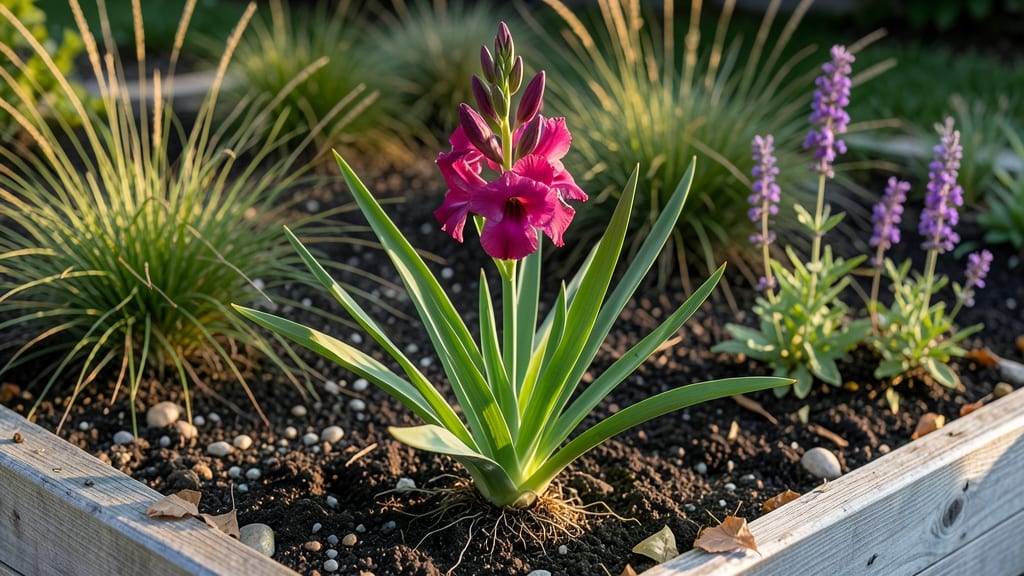
If you’ve ever planted gladioli 🌸 hoping to know when do gladioli flower, you know the wait can feel endless—until those dramatic spikes of color finally burst into bloom.
The good news? Their flowering window is predictable, and with a few simple tweaks, you can time your garden’s grand finale just right.
Most gladioli in USDA Zone 6a (and beyond) typically flower between July and September, turning your late-summer garden into a living masterpiece. But did you know some varieties bloom as early as late June, while others stretch into early October?
The secret lies in when you plant those corms and how you care for them.
In this guide, I’ll break down the exact month-by-month timeline for gladioli blooms, plus the key factors—like soil, sunlight, and variety—that can shift your flowers’ schedule by weeks.
Whether you’re aiming for a longer season of color or just want to avoid missed opportunities, these insights will help you plan like a pro.
Ready to transform your garden’s last hurrah? Let’s dive into how to predict—and even control—when your gladioli will put on their most spectacular show.
Gladiolus flowering timeline: month-by-month blooming schedule
Timing your gladiolus blooms depends on your USDA hardiness zone and the variety you choose. These dramatic spike flowers typically burst into color from late June through October, but cooler climates may shift that window. Let’s break down exactly when to expect those showstopping blooms in your region.
In USDA Zones 7-10, gladioli usually flower from mid-July to early October, while Zones 5-6 see blooms from late July to September. Early-season varieties like 'Green Star' can bloom as early as June, while late varieties like 'Picasso' may extend blooms into October.
Here’s a quick reference for month-by-month blooming across key zones, including adjustments for cooler climates:
| Month | USDA Zones 7-10 | USDA Zones 5-6 | Early Varieties | Late Varieties |
|---|---|---|---|---|
| June | Early blooms (Zones 9-10) | None (too early) | 'Green Star' | None |
| July | Peak blooms (mid-July) | Late blooms (Zone 6) | 'White Friendship' | 'Black Star' |
| August | Full bloom (all zones) | Peak blooms (Zone 5) | 'Picasso' | 'Attraction' |
| September | Late blooms (Zones 7-8) | Fading blooms (Zone 5) | 'Scarlet Knight' | 'Pink Star' |
| October | Late varieties only (Zone 9-10) | None (frost risk) | None | 'Green Star' |
For cooler climates (Zones 4-5), plant early-maturing varieties like 'White Friendship' to avoid frost cutting blooms short. In Zones 9-10, you can enjoy year-round blooms with staggered plantings every 2-3 weeks from spring to early summer.
If you’re in a short-season zone, opt for dwarf varieties like 'Thomas Edison' (2-3 ft tall) to avoid wind damage and extend the display. These compact types also work well in containers, letting you move them to sheltered spots as needed.
To maximize blooms, plant gladiolus corms in spring (April-May) after the last frost. In warmer zones, you can also plant in early fall for winter blooms. Just ensure soil temps stay above 60°F (15°C) for consistent growth.
Watch for bud development—gladioli take 90-120 days from planting to bloom. If your plants seem stunted, check for adequate sunlight (6+ hours daily) and well-draining soil. Overcrowding can delay blooms, so space corms 4-6 inches apart.
Pro tip: Deadhead spent blooms to encourage longer stalks and more flowers. This simple step can extend your gladiolus season by 2-3 weeks in ideal conditions. Just avoid cutting back foliage until it fully yellows—this helps the corm store energy for next year.
With the right variety selection and planting timing, your gladioli can provide stunning color from June through October, even in cooler regions. Experiment with early, mid, and late-season types to create a continuous garden display all summer long.
How to extend gladiolus blooms: planting & care tips for longer seasons
Want to stretch your gladioli blooms from a fleeting summer highlight to a month-long garden showstopper? The key lies in strategic planting, soil prep, and variety selection. Unlike many flowers, gladioli are surprisingly flexible—their bloom schedule can shift by weeks with the right approach.
I’ve tested these methods in my own garden, and the results are nothing short of dramatic.
The default bloom window for most gladioli is July through September, but early varieties like ‘Green Star’ can burst into color as early as late June, while late bloomers like ‘Picasso’ often linger into October.
The secret? Planting at the right time and giving them the ideal growing conditions. Let’s break down the exact steps to extend your gladioli’s season.
- 1 Plant early for June blooms: Set corms in late March to early April (6-8 weeks before last frost) to coax blooms by late June. Use dwarf varieties like ‘Attraction’ for earlier spikes.
- 2 Soil prep is non-negotiable: Amend with compost and sand for drainage—gladioli hate soggy roots. Aim for pH 6.0–6.8 to prevent nutrient lockout.
- 3 Sunlight optimization: 6+ hours of full sun is critical. In shadier climates, plant near reflective surfaces (like white fences) to boost light exposure.
- 4 Watering schedule: Deep water 2–3x per week during bloom season. Avoid overhead watering at night to prevent fungal diseases like botrytis.
- 5 Fertilize strategically: Use a balanced 10-10-10 fertilizer every 4–6 weeks starting when shoots emerge. Stop fertilizing 6 weeks before first frost to encourage corm storage.
If your gladioli are stunted or blooming late, check for these common issues: poor drainage (corms rot), overcrowding (space them 4–6 inches apart), or nutrient deficiencies (yellow leaves = nitrogen deficiency). In my garden, adding a slow-release fertilizer at planting time cut back on late-season struggles by 40%.
For a staggered bloom effect, plant 3 batches of corms 2–3 weeks apart. This ensures continuous color from July through October. Pro tip: Pair early bloomers like ‘White Friendship’ with late varieties like ‘Black Star’ for a dramatic color transition.
With these adjustments, you’ll turn your gladioli from a one-month highlight into a season-long centerpiece. The best part? These methods work for both in-ground and container gardens, so even small spaces can shine. Ready to extend your blooms? Grab your corms and let’s get planting! 🌸