
Flowers
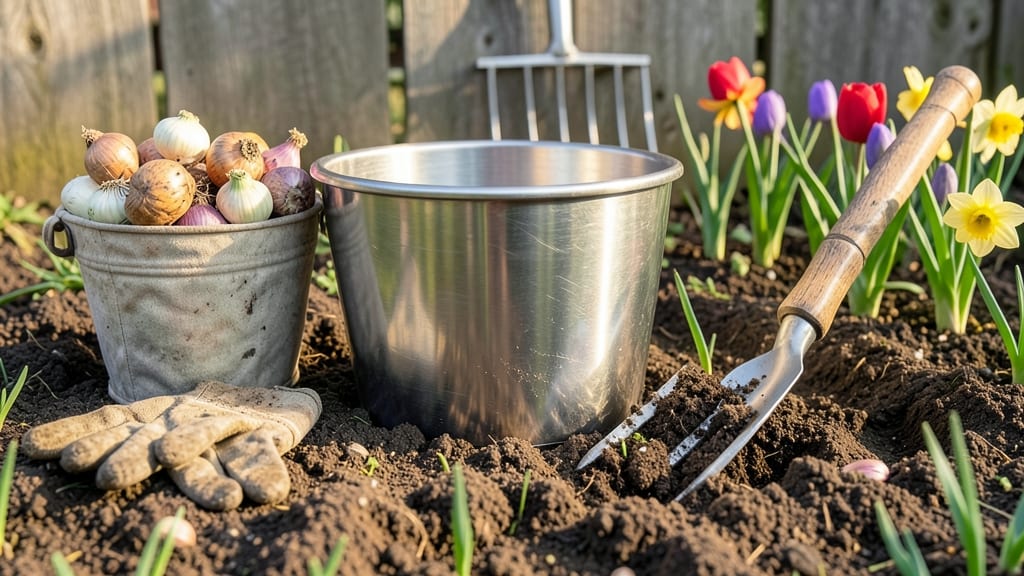
Planting your spring flowers at the wrong time can mean the difference between a burst of vibrant 🌸 blooms and a sad, wilted disappointment before summer even arrives.
If you've ever wondered when do I plant flowers in spring to guarantee success, the answer starts with your local last frost date—but there's more to it than just waiting for the calendar to flip to May.
Understanding your USDA zone, soil temperatures, and even the specific needs of annuals versus perennials makes all the difference in creating a garden that thrives from the first petal to the final bloom.
I've spent years perfecting my own timing, and what I'm about to share will help you avoid those common mistakes like planting too early (hello, frost damage) or too late (missed growing seasons).
Whether you're in Zone 6a or another region, these insights will give you the confidence to plant with precision and watch your garden come alive.
Let's dive into the exact steps, from checking soil readiness to choosing the perfect varieties for your climate, so you can enjoy a garden that's as beautiful as it is resilient.
USDA zone planting deadlines: when to plant flowers by region
Spring is the perfect time to transform your garden into a burst of color—but planting too early or too late can leave your flowers struggling. The key to success lies in understanding your USDA zone and its last frost date.
This timeline ensures your flowers establish roots before cold snaps strike, giving them the best chance to thrive. Whether you're planting annuals, perennials, or bulbs, knowing the right window makes all the difference.
For example, gardeners in Zone 3 (like Minnesota or northern New York) face much earlier frost risks than those in Zone 10 (like Southern California). Even within the same zone, microclimates—like urban heat islands or sheltered valleys—can shift planting dates by weeks.
By aligning your planting schedule with your zone’s average last frost date, you’ll avoid the heartbreak of frost-nipped blooms and maximize your garden’s potential.
Comparison Table: USDA Zone Planting Deadlines for Spring Flowers
| USDA Zone | Last Frost Date (Avg) | Annuals Planting Window | Perennials Planting Window | Bulbs Planting Window |
|---|---|---|---|---|
| Zone 3 | May 15 | After May 15 (hardy annuals like pansies) | Early spring (March-April) or fall | Fall (September-October) for spring blooms |
| Zone 4 | May 1 | After May 1 (marigolds, zinnias) | Early spring (April) or fall | Fall (October) or early spring |
| Zone 5 | April 15 | After April 15 (petunias, geraniums) | Early spring (March-April) or fall | Fall (September-October) |
| Zone 6 | April 1 | After April 1 (impatiens, begonias) | Early spring (March) or fall | Fall (September) or early spring |
| Zone 7 | March 15 | After March 15 (sunflowers, cosmos) | Early spring (February-March) or fall | Fall (August-September) |
| Zone 8 | February 15 | After February 15 (snapdragons, alyssum) | Winter (January-February) or fall | Fall (August) or early spring |
| Zone 9 | January 15 | After January 15 (calendula, nasturtiums) | Winter (December-January) or fall | Fall (July-August) |
| Zone 10 | December 15 | Year-round (but avoid extreme heat) | Winter (November-December) or fall | Fall (June-July) or early winter |
Now that you know the general planting deadlines for your zone, let’s break down the specifics for each flower type. Annuals, like marigolds or zinnias, are the most flexible—they can handle being planted after the last frost because they complete their life cycle in one season.
However, tender annuals like petunias or geraniums need soil temperatures above 50°F to thrive. Always check seed packets for <
How to adjust planting dates for early vs late springs
Not every spring follows the same script. Some years bring an early thaw with soil temperatures climbing into the 50°F range by March, while others linger with late frosts well into May.
These variations can throw off even the most careful gardeners. The key to success lies in recognizing your local microclimate and using season-extending tools to fine-tune planting times for your specific conditions.
I’ve learned the hard way that planting annual flowers like petunias or marigolds too early—even just a few weeks before the last frost—can result in stunted growth or worse, frost damage.
Conversely, waiting too long can mean missing the ideal growing window for full-season blooms. The solution? Adjust your planting dates based on real-time signs rather than relying solely on calendar dates.
Here’s where soil temperature becomes your best friend. Most spring flowers thrive when soil reaches at least 50-55°F. A simple soil thermometer (just $10 at any garden center) can give you precise data.
Pair this with observing bud swelling on perennials or the first sprouts of cool-season crops like pansies, and you’ll have a clear signal it’s time to plant.
⚠️ WARNING: Late Frost RisksEven after your average last frost date, unpredictable late frosts can still strike—especially in microclimates like low-lying areas or near large bodies of water. If your USDA zone typically sees frosts into May, consider these protective strategies to extend your planting window safely:
For gardeners in early springs, where soil warms quickly, you can start planting cool-season flowers like snapdragons or sweet alyssum as early as late February or March. These hardy annuals can handle light frosts and even snow melt, giving you a head start on color.
Use cold frames or mini greenhouses to jumpstart seedlings indoors 4-6 weeks before your last frost date.
Microclimates play a huge role too. A south-facing slope warms up faster than a north-facing garden bed, while urban areas can experience heat islands that delay frost.
Pay attention to where frost forms first in your yard—usually low spots or shaded areas—and plant heat-loving flowers like zinnias or sunflowers in those warmer pockets.
Finally, don’t forget about succession planting. If your spring is late, stagger your plantings every 2-3 weeks to ensure continuous blooms. For example, plant cosmos seeds in early May, then follow up with marigold transplants in late May.
This way, you’ll have nonstop color from early summer through fall, regardless of when spring finally arrives.