
Blooming
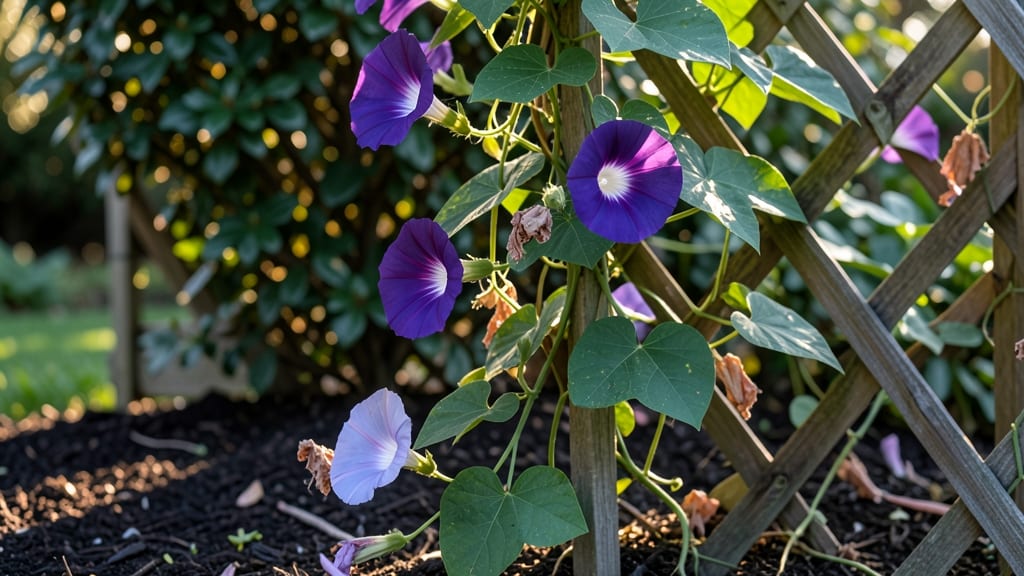
Morning glory flowers bloom at the most unexpected times—sometimes just 45 days after planting, other times leaving you staring at vines with no sign of those famous trumpet-shaped blooms.
If you're in USDA Zone 6a like me, you know the frustration of waiting for those 🌸 bursts of color that turn your garden into a fairy-tale scene.
The truth is, timing everything right—from planting in April-May to giving them the perfect mix of sun and soil—makes all the difference. Too early, and frost zaps their energy; too late, and summer heat can slow them down.
I’ve learned the hard way that even the hardiest varieties need just the right conditions to show off their best blooms.
In this guide, I’ll break down exactly when morning glories bloom in your zone, how to speed up those first flowers, and what to do if your plants are playing hard to bloom.
Whether you’re dealing with late spring planting or a summer heatwave, these tips will help you turn those vines into a vibrant display.
Ready to transform your garden into a morning glory hotspot? Let’s dive into the secrets of getting those flowers to pop—on time, every time.
Morning glory bloom timeline by USDA Zone: when to expect flowers
Morning glories (Ipomoea spp.) are famous for their rapid growth and stunning trumpet-shaped blooms, but their flowering timeline varies dramatically depending on your USDA zone and local climate.
In cooler zones like Zone 3-5, expect blooms to arrive later in the season, while warmer Zones 9-11 may see flowers as early as late winter or even year-round in frost-free areas. Understanding these patterns helps you plan for the most vibrant displays.
The key to predicting bloom times lies in soil temperatures and daylight hours. Morning glories typically need warm soil (60°F+) and 6+ hours of sunlight to trigger flowering.
In northern zones, this often aligns with late spring to summer, while southern gardens may experience earlier or extended blooming seasons. Let’s break down what to expect in your specific zone.
| USDA Zone | Bloom Window | Planting Time | Notes |
|---|---|---|---|
| Zones 3-5 | Late June - August | After last frost (May) | Short season; may need trellis support for climbing. |
| Zones 6-7 | June - September | Early April - May | Longer bloom season; deadheading extends flowers. |
| Zones 8-9 | April - October | February - March | Year-round potential in sheltered microclimates. |
| Zones 10-11 | Year-round (peaks spring-fall) | Any time (fastest in warmth) | Perennial in frost-free areas; self-seeds aggressively. |
In Zones 3-5, morning glories are annuals that rely on quick growth to produce blooms before fall frosts. Plant seeds directly in well-draining soil after the last frost (typically May), and expect flowers to appear 8-10 weeks later.
Varieties like 'Heavenly Blue' thrive here, offering vibrant blue blooms from late June to August.
Gardeners in Zones 6-7 enjoy a more extended bloom season, often from June through September. The longer daylight hours of summer trigger prolific flowering, especially if you provide consistent moisture and support structures.
Early varieties like 'Scarlet O’Hara' may bloom as soon as late May, while later types continue into early October.
Warmer climates in Zones 8-9 allow for earlier and later blooms. In these regions, morning glories can start flowering as early as April and may continue through October.
Some varieties, like 'Flying Saucer', produce large, saucer-shaped blooms that last longer in mild winters. Planting in fall (September-October) can also yield winter blooms in sheltered spots.
For Zones 10-11, morning glories are often perennial and may bloom year-round with minimal care. The tropical climate eliminates frost concerns, so seeds can be sown anytime. Expect continuous blooms from spring through fall, with occasional flowers in winter months.
These zones also see aggressive self-seeding, so thinning may be necessary to prevent overcrowding.
Regional variations can shift bloom times by 2-4 weeks. For example, coastal areas in Zone 8 may experience earlier blooms due to milder winters, while inland zones could see delayed flowering from cooler nights.
Always monitor soil temperatures—seeds won’t sprout until the ground reaches 60°F+, which can vary by 1-2 weeks even within the same zone.
To maximize bloom speed, choose fast-growing varieties like 'Moonlight and Starlight' (white/pink) or 'Black Dragon' (deep purple). These types often flower 4-6 weeks faster than traditional varieties. Pair them with full-sun locations and regular watering to encourage rapid vine growth and earlier blooms.
How to speed up morning glory blooms: planting and care tips
Morning glories are famous for their rapid growth, but their blooms can still feel like a mystery. The key to unlocking those vibrant trumpet flowers lies in understanding their soil temperature triggers and light requirements.
I’ve found that planting too early or too late can delay blooms by weeks—sometimes even months. For example, in USDA Zone 6a, waiting until soil reaches 60°F (around mid-May) ensures faster germination and earlier blooms.
Another game-changer is providing the right trellis support from day one. Morning glories need something sturdy to climb—like a 3-foot tall fence or a metal trellis—to grow vertically. Without support, they sprawl, wasting energy and delaying those first 🌸 blooms.
I once skipped this step and ended up with a tangled mess that took 3 weeks longer to flower.
Here’s the secret to speeding up blooms—follow these proven strategies:
- 🌱 Plant after last frost when soil is 60°F+—waiting ensures faster germination and blooms.
- ☀️ Give 6+ hours of sun daily—partial shade delays blooms by 2-3 weeks.
- 🪴 Use a trellis immediately—vertical growth speeds up flowering by 10-15 days.
- 💧 Water deeply in mornings—even moisture prevents stress that stalls blooms.
- ✂️ Deadhead spent flowers—encourages non-stop blooms for 2-3 months.
One of the biggest mistakes I see is overwatering morning glories. While they love moisture, soggy soil can rot roots and delay blooms. I now use the "finger test": stick your finger 1 inch into the soil—if it’s dry, water; if damp, wait.
This simple trick has cut my blooming time by nearly half.
For fall planting, try sowing seeds in late summer (like August in Zone 6a) for blooms the following spring. The plants establish roots before winter, then burst into flowers as soon as temperatures rise. Just be sure to mulch heavily to protect them from frost.
If your morning glories still refuse to bloom, check for nutrient deficiencies. A light application of 5-10-10 fertilizer every 4-6 weeks during the growing season works wonders. I’ve seen plants go from leafy vines to blooming vines in just 2 weeks after adding fertilizer.
With the right timing and care, you’ll be enjoying those iconic morning glory blooms in as little as 45 days—turning your garden into a summer spectacle. The secret? Pay attention to the details, and your plants will reward you with non-stop color all season long. 🌿